
























Octo: An Open-Source Coding Assistant for Seamless Development
An open-source coding helper. Very friendly! Contribute to synthetic-lab/octofriend development by creating an account on GitHub.
Read the full articleYou might also wanna read

Octoscope: Open-source terminal dashboard for GitHub profiles and repo health
Octoscope is a native terminal dashboard that pulls your GitHub profile, activity, repo health, and network from the GraphQL API — and keeps
 Product Hunt·2mo ago
opencode: Open-Source AI Coding Agent for Terminal with Model-Agnostic Support
opencode is an open-source AI coding agent built for the terminal. It features a native TUI, multi-session support, and is model-agnostic, l
Product Hunt·1y ago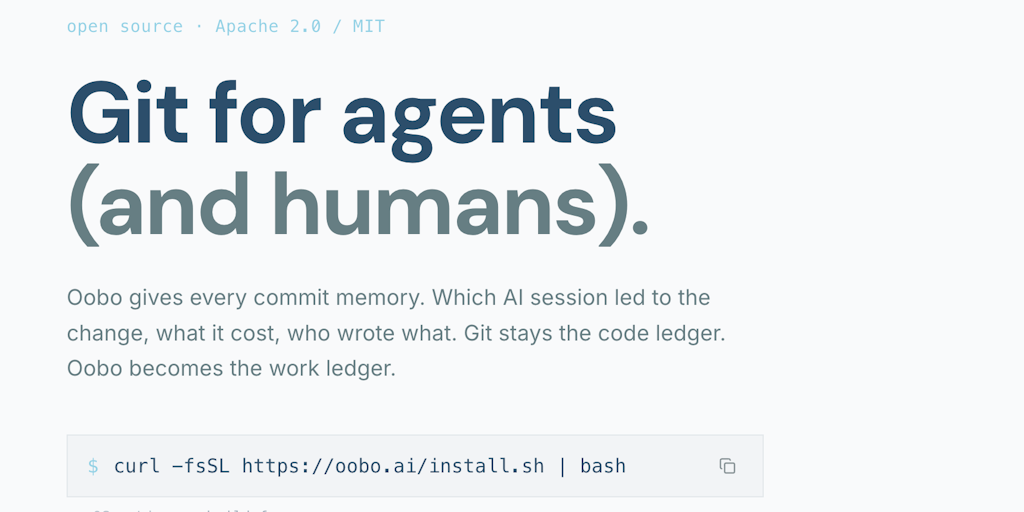
Oobo: Git Layer That Preserves Context for AI-Generated Code
Oobo is Git for agents (and humans). It enriches your repo with additional context about AI usage, helping agents and teams understand why s
Product Hunt·4mo ago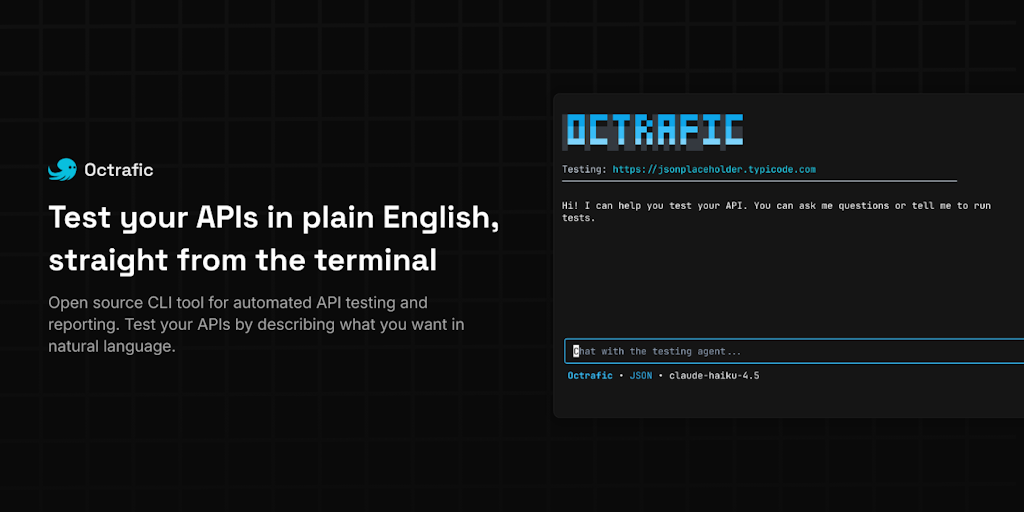
Octrafic: Open-Source CLI Tool for API Testing Using Natural Language
Octrafic is an open-source CLI for API testing. Point it at any OpenAPI spec or live endpoint, describe what you want to test in plain Engli
Product Hunt·4mo ago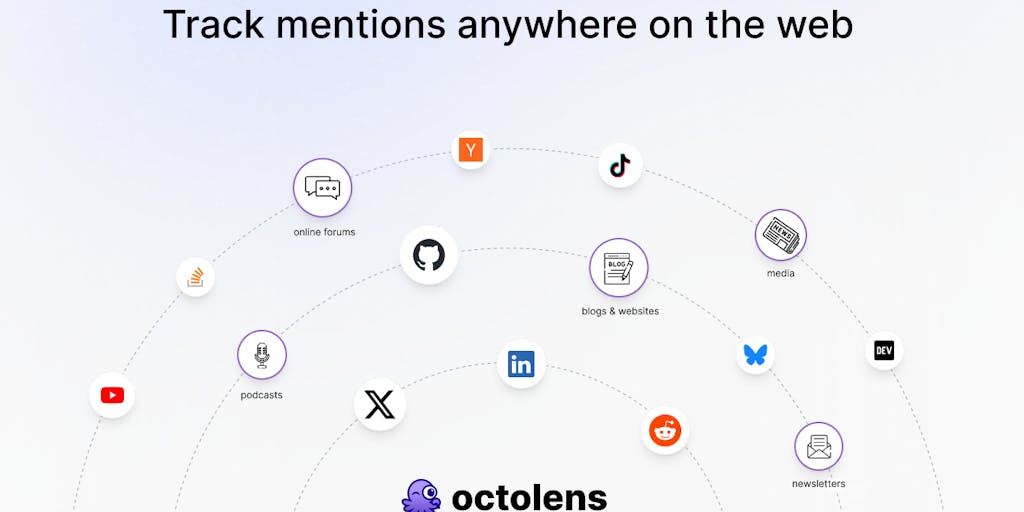
Octolens: AI-powered social listening tool that pushes mentions to Slack and other team platforms
Octolens monitors the web for keyword mentions, assesses posts with AI, & notifies you so you can jump into a conversation. Designed for B2B
Product Hunt·17d ago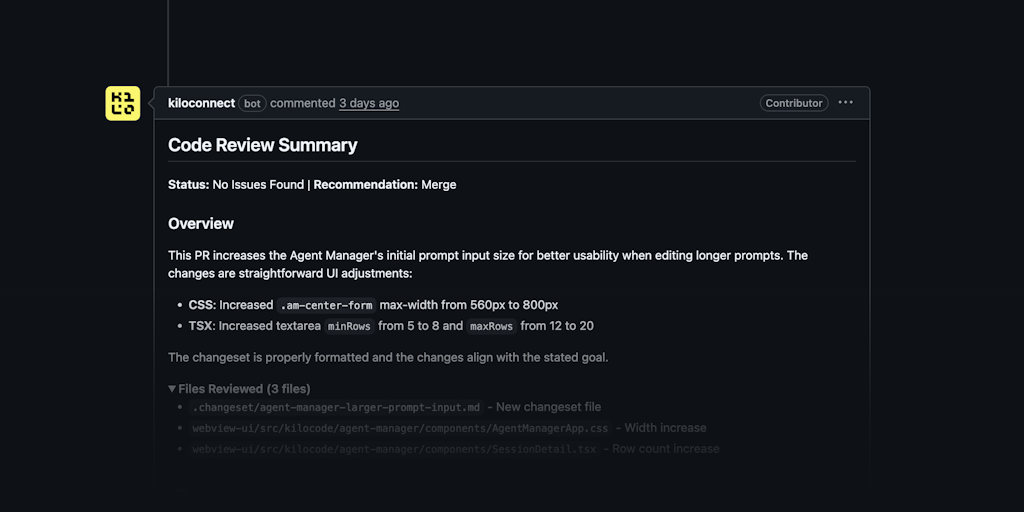
Kilo Code: Open-Source AI Coding Assistant for Development Workflow
Build, ship, and iterate faster with the most popular open-source AI coding agent. 2M+ Kilo Coders. 25T+ tokens processed. Follow us: kilo.a
Product Hunt·3mo ago
Comments
Sign in to join the conversation.
No comments yet. Be the first.