
























Editorial: Japan must prepare for crop failures caused by extreme weather and super El Niño
By
日本経済新聞社
Summary
This editorial warns about the increasing probability of a super El Niño event in late 2026, which could cause global crop failures. Japan, with a food self-sufficiency rate of only 38% (calorie-based) and heavy reliance on imports, faces serious food supply risks. The situation is compounded by fertilizer price spikes due to Middle East conflicts. Countries like India have already banned sugar exports, and Australia's wheat harvest is predicted to drop 26%. The editorial urges the Japanese government to take proactive measures to prevent domestic food shortages.
Source
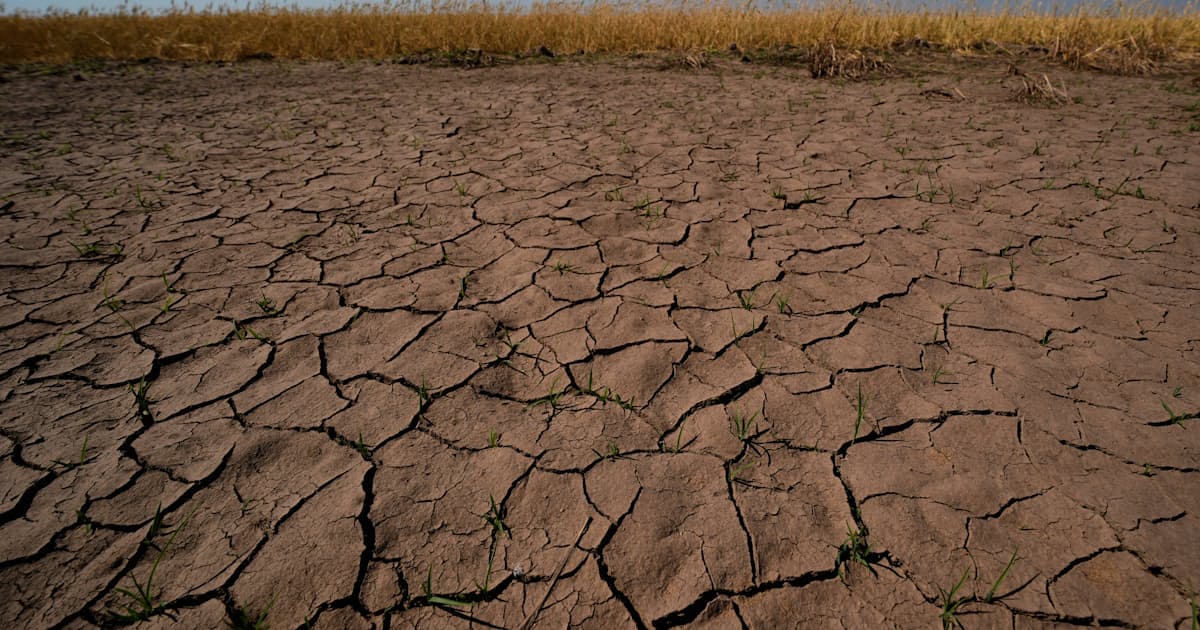 bskyEditorial: Japan must prepare for crop failures caused by extreme weather and super El Niñonikkei.com
Key quotes
· 5 pulled日本は食料自給率がカロリーベースで38%にとどまり、農作物の輸入比率は高い。
異常気象と肥料不足の影響が表面化すれば、各国との争奪戦は激しくなる。
国内で食品の供給不足に陥らないよう、政府は先手を打って実効性のある対策を講じなくてはならない。
小麦の主要調達先であるオーストラリアでは干ばつによって収穫量が前のシーズンより26%減ると予測されている。
インドは少雨によるサトウキビの不作を見越し、砂糖の輸出禁止を決めた。
You might also wanna read


How El Niño drives global hunger and how the World Food Programme prepares for its impacts
El Niño is a powerful climate pattern that drives extreme weather and hunger globally. This article explains how El Niño conditions, expecte
 wfp.org·3d ago
Fuel shortages and El Niño related droughts likely to reduce crop output in East Africa, Latin America and the Caribbean
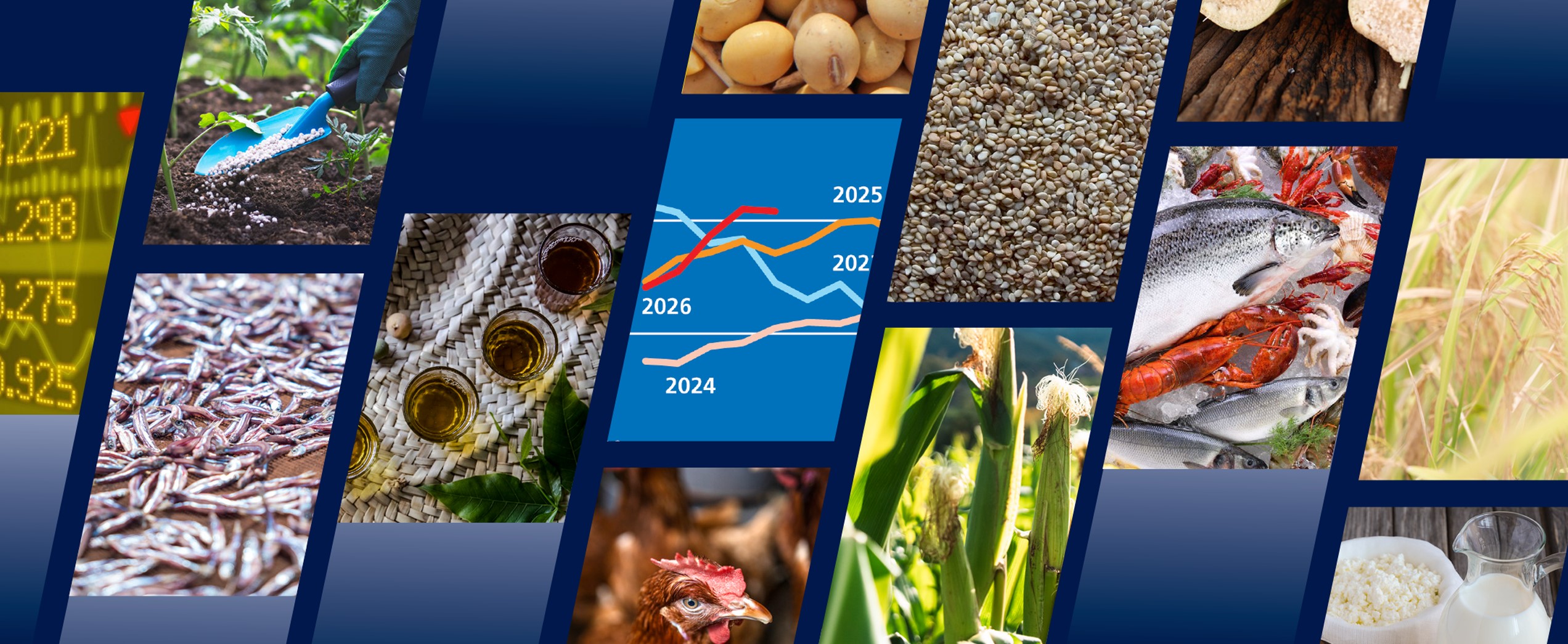
FAO Food Outlook: Global food commodity markets stable but facing rising geopolitical and weather risks
The FAO's Food Outlook report indicates that global food commodity markets remain relatively stable, with 2026/27 cereal production forecast
 fao.org·15d ago
Agricultural production threatened by combination of El Niño and high input prices

Widespread ASAP forecast warnings on crops for second half of the year due to upcoming El Niño conditions
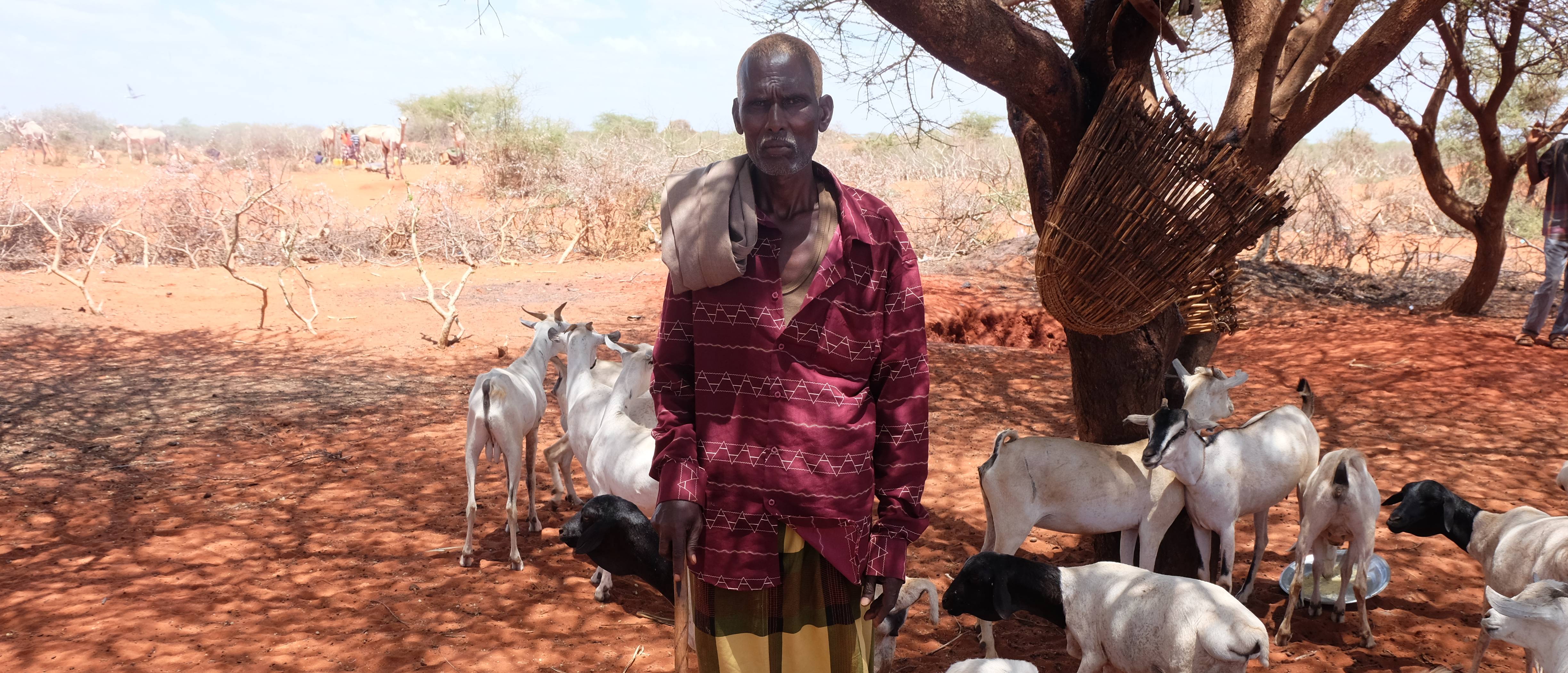
El Niño: Climate Phenomenon, Food Security Risks, and Anticipatory Action
El Niño is a natural climate phenomenon characterized by warming of surface waters in the central and eastern Pacific Ocean, occurring every
fao.org·12d ago
Comments
Sign in to join the conversation.
No comments yet. Be the first.