
























University of Pennsylvania researchers develop AI tool to accelerate antibiotic development
Summary
Researchers at the University of Pennsylvania have developed an AI tool designed to accelerate antibiotic development by enhancing the antibacterial effects of existing compounds. The system analyzes peptide molecules and predicts modifications that could make them more effective against drug-resistant bacteria. This addresses the growing public health crisis of antibiotic resistance, where common bacterial infections are becoming increasingly difficult to treat with current antibiotics.
Source

 Twitter / XUniversity of Pennsylvania researchers develop AI tool to accelerate antibiotic developmentnih.gov
Key quotes
· 3 pulledResearchers hold a 3D model of a peptide molecule that might help to fight bacteria.
Antibiotic resistance is a growing public health concern.
Bacterial infections that were once easy to treat are now hard to kill with existing antibiotics and are causing serious illness.
You might also wanna read


AI is taking on antibiotic resistance — here’s how
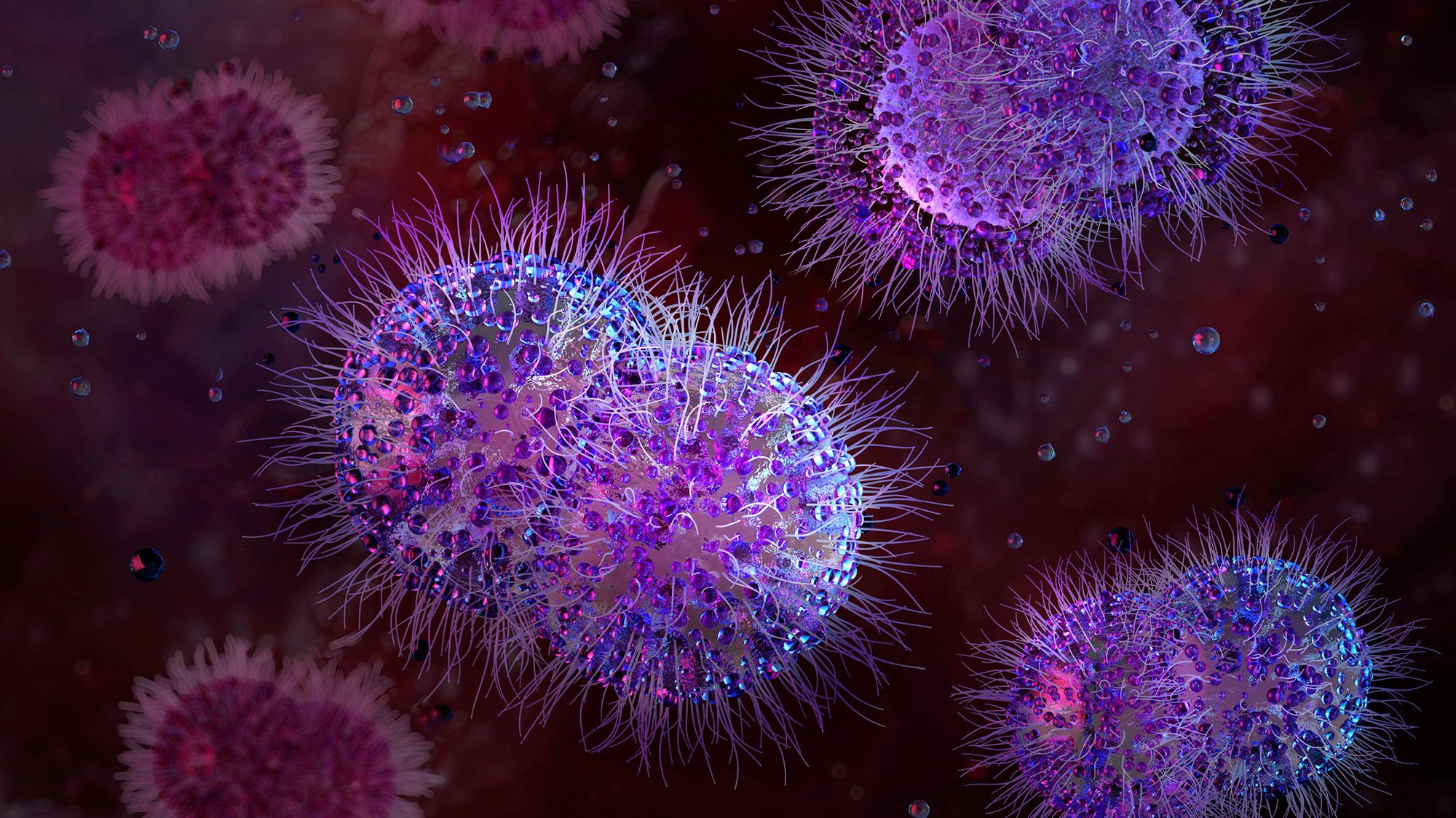
AI helps identify new antibiotic candidate for drug-resistant gonorrhea, tested on 'vagina on a chip'
Researchers used AI to screen 6 million molecules and identified a potential new antibiotic for gonorrhea, a drug-resistant STI. The candida
 livescience.com·1d ago
Deep learning model identifies novel antibiotic compounds effective against drug-resistant gonorrhea
This article describes a study where researchers developed and validated a deep learning model to discover new antibiotics effective against
 science.org·12d ago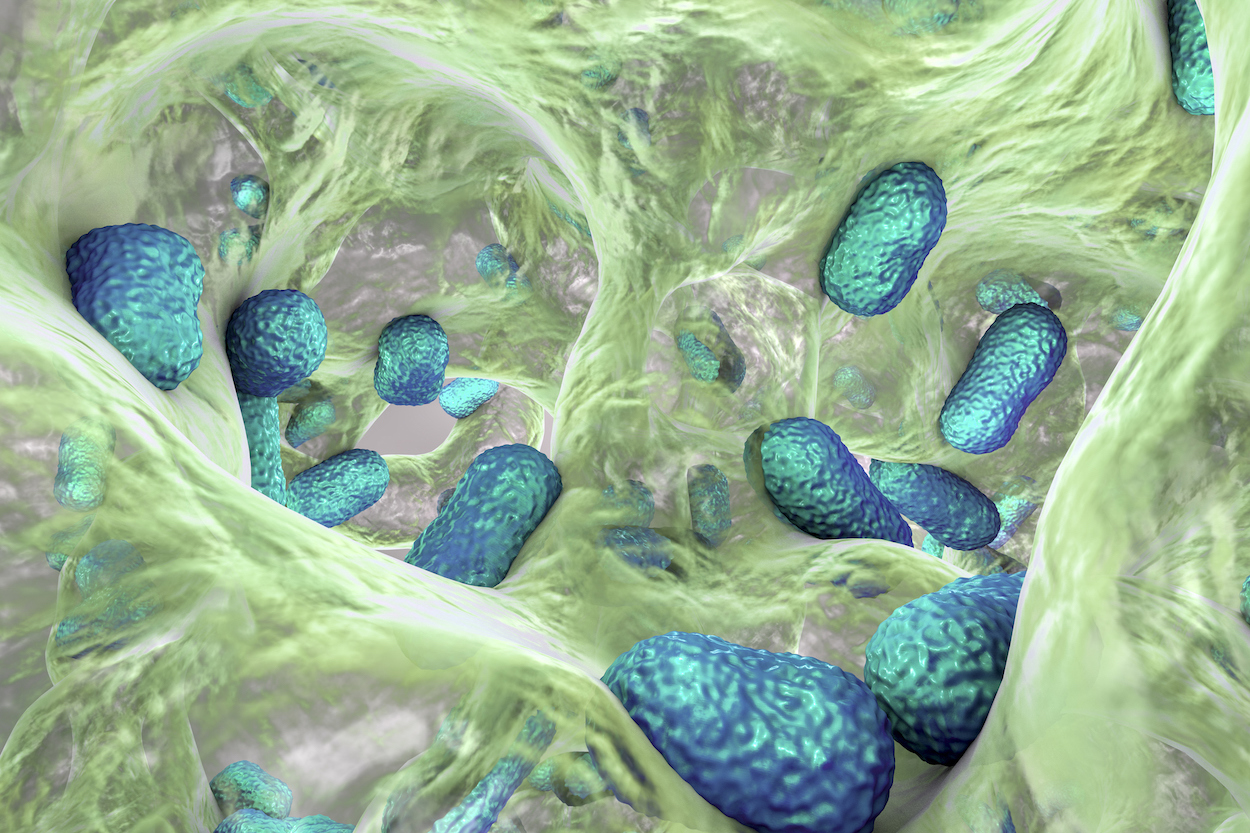
AI-Powered Discovery Identifies Antimicrobial Peptides from Prion Proteins
Researchers at the University of Pennsylvania used a deep learning platform called APEX 1.1 to scan millions of short protein fragments from
 genengnews.com·6d ago
How AI Is Accelerating Scientific Discovery Across Multiple Research Fields
Artificial intelligence is transforming scientific research by enabling faster data processing, pattern recognition, and discovery across fi
 techtimes.com·21d ago
OpenAI launches GPT-Rosalind AI model for biology and drug discovery research
OpenAI introduces GPT-Rosalind, a frontier reasoning model designed to support research in biology, drug discovery, and translational medici
 openai.com·22d ago
Comments
Sign in to join the conversation.
No comments yet. Be the first.