
























NIH Common Fund's High-Risk, High-Reward Research Program: Supporting Innovative Biomedical Science
Summary
The NIH Common Fund's High-Risk, High-Reward Research (HRHR) program supports exceptionally creative scientists pursuing highly innovative biomedical, behavioral, and social science research. The program targets high-impact ideas that are too risky or premature for traditional peer review, encouraging outside-the-box thinking within the NIH mission. It covers information on awards, applications, symposia, and announcements related to the program.
Source

 Twitter / XNIH Common Fund's High-Risk, High-Reward Research Program: Supporting Innovative Biomedical Sciencego.nih.gov
Key quotes
· 3 pulledThe Common Fund's High-Risk, High-Reward Research program was created to accelerate the pace of biomedical, behavioral, and social science discoveries by supporting exceptionally creative scientists conducting highly innovative research.
The program seeks to identify scientists with high-impact ideas that may be risky or at a stage too early to fare well in the traditional peer review process.
The program encourages creative, outside-the-box thinkers to pursue exciting and innovative ideas in any area of biomedical, behavioral, or social science within the NIH mission.
You might also wanna read


NIH proposes capping number of grants per scientist to broaden research funding distribution
The U.S. National Institutes of Health (NIH) is proposing to cap the number of research project grants (RPGs) a principal investigator can h
 science.org·27d ago
UK opens £600m funding call to expand biomedical research centre network
The UK government has opened a £600 million funding call to expand its network of Biomedical Research Centres (BRCs) through the National In
 pharmaphorum.com·1mo ago
NIH revives proposal to limit number of concurrent research grants per scientist
The US National Institutes of Health (NIH) has announced a policy proposal to cap the number of simultaneous research grants a scientist can
 cen.acs.org·17d ago
VCHRI Announces 2026 Innovation and Translational Research Award Recipients
Vancouver Coastal Health Research Institute (VCHRI) announced the 2026 Innovation and Translational Research Awards recipients, supporting i
 vchri.ca·15d ago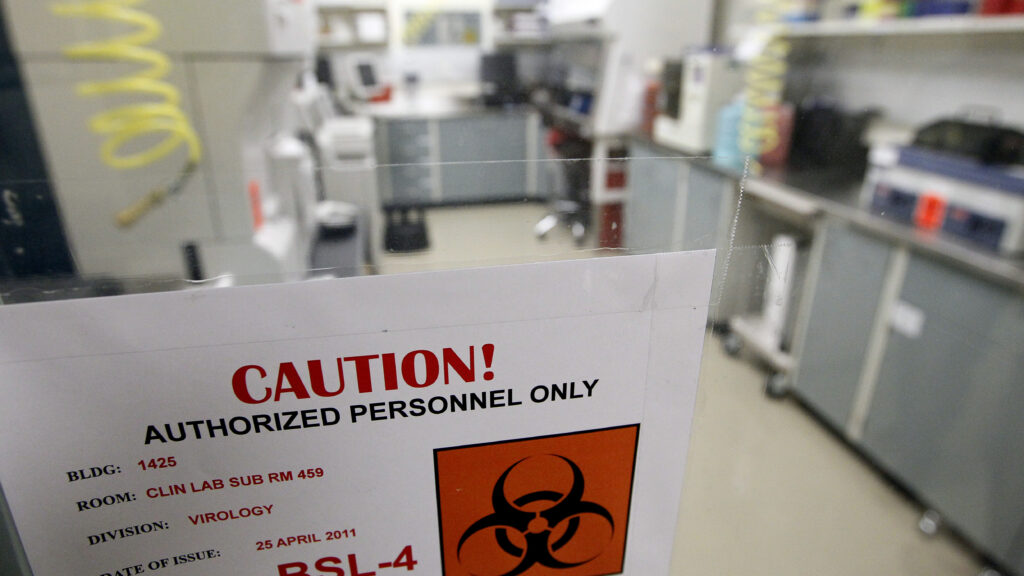
NIH Halts Tuberculosis Research Over Unfounded 'Dangerous' Gain-of-Function Concerns
A UC Berkeley professor and NIH grant recipient describes how the NIH abruptly ordered them to stop their tuberculosis research, deeming it
 statnews.com·9mo ago
NIH and NASA impose new restrictions on international research collaborations, causing confusion among scientists
U.S. government research funders, including the NIH and NASA, have imposed unprecedented restrictions on U.S. scientists collaborating and p
science.org·1mo agoNIH and NASA impose new restrictions on international research collaborations, causing confusion among scientists
U.S. government research funders, including the NIH and NASA, have imposed unprecedented restrictions on U.S. scientists collaborating and p
science.org·1mo ago
Comments
Sign in to join the conversation.
No comments yet. Be the first.