
























LIGO detects gravitational waves from black hole merger 1.3 billion light-years away
This article reports on the January 2025 detection of gravitational waves from a black hole merger by LIGO, noting that the merger occurred 1.3 billion years ago in the constellation Leo. It frames black holes as extreme gravitational laboratories that scientists can now study through their event horizons.
Key quotes
A LONG TIME ago, in a galaxy far, far away—somewhere in the general direction of the constellation of Leo—two black holes crashed together and merged.
About 1.3bn years later, on January 14th 2025, a blip appeared in the detectors at the Laser Interferometer Gravitational-Wave Observatory (LIGO)
They make the universe's most extreme gravitational laboratories
From the article
You might also wanna read

LIGO Observatories Detect Most Massive Black Hole Merger in History
The LIGO-Virgo-KAGRA Collaboration detected the merger of the most massive black holes ever observed with gravitational waves, resulting in
caltech.edu·11mo ago
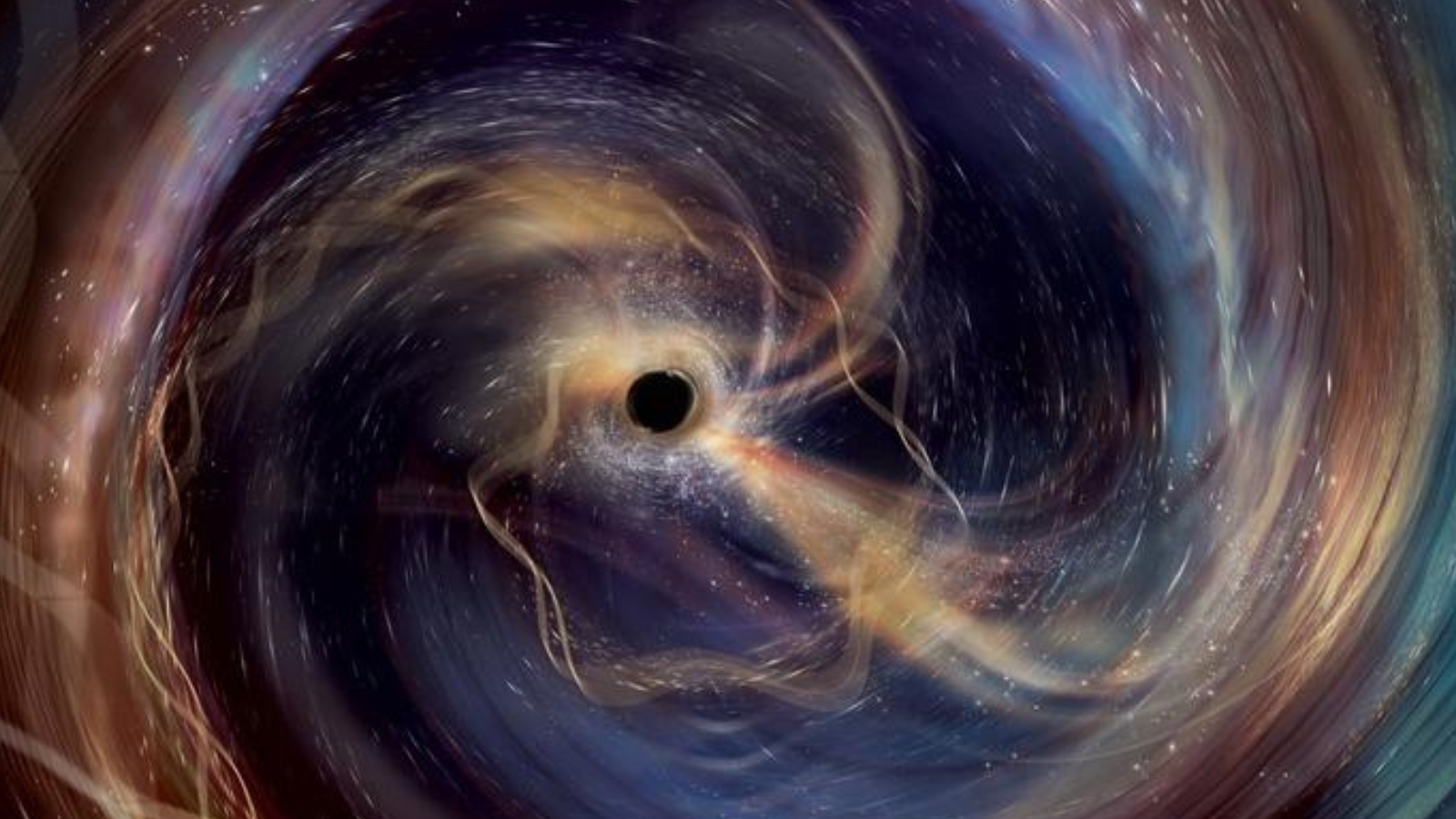
LIGO Gravitational Wave Detector Confirms Einstein and Hawking Theories Through Black Hole Collision Observations
The Laser Interferometer Gravitational-Wave Observatory (LIGO) has confirmed key predictions from Albert Einstein, Stephen Hawking, and Roy
 space.com·10mo ago
390 gravitational wave detections reveal hidden population of black holes
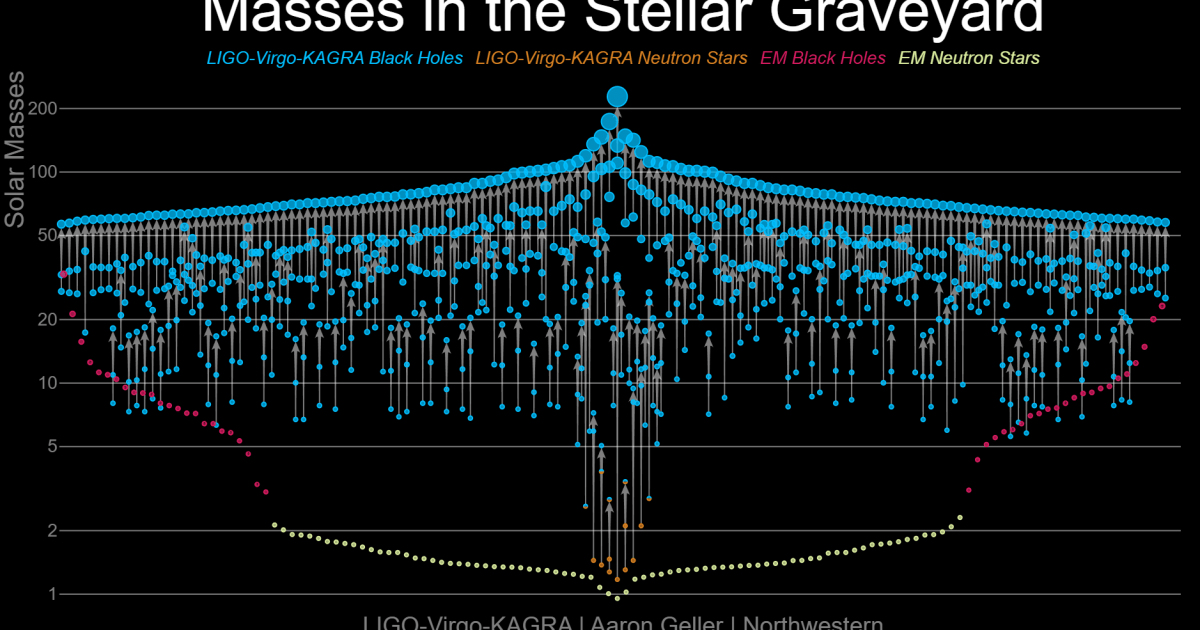
Gravitational wave astronomy reaches maturity with 390 confirmed detections by 2026
The article discusses how gravitational wave astronomy has matured into a fully established scientific field by 2026. The LIGO-Virgo-KAGRA c
 bigthink.com·1mo ago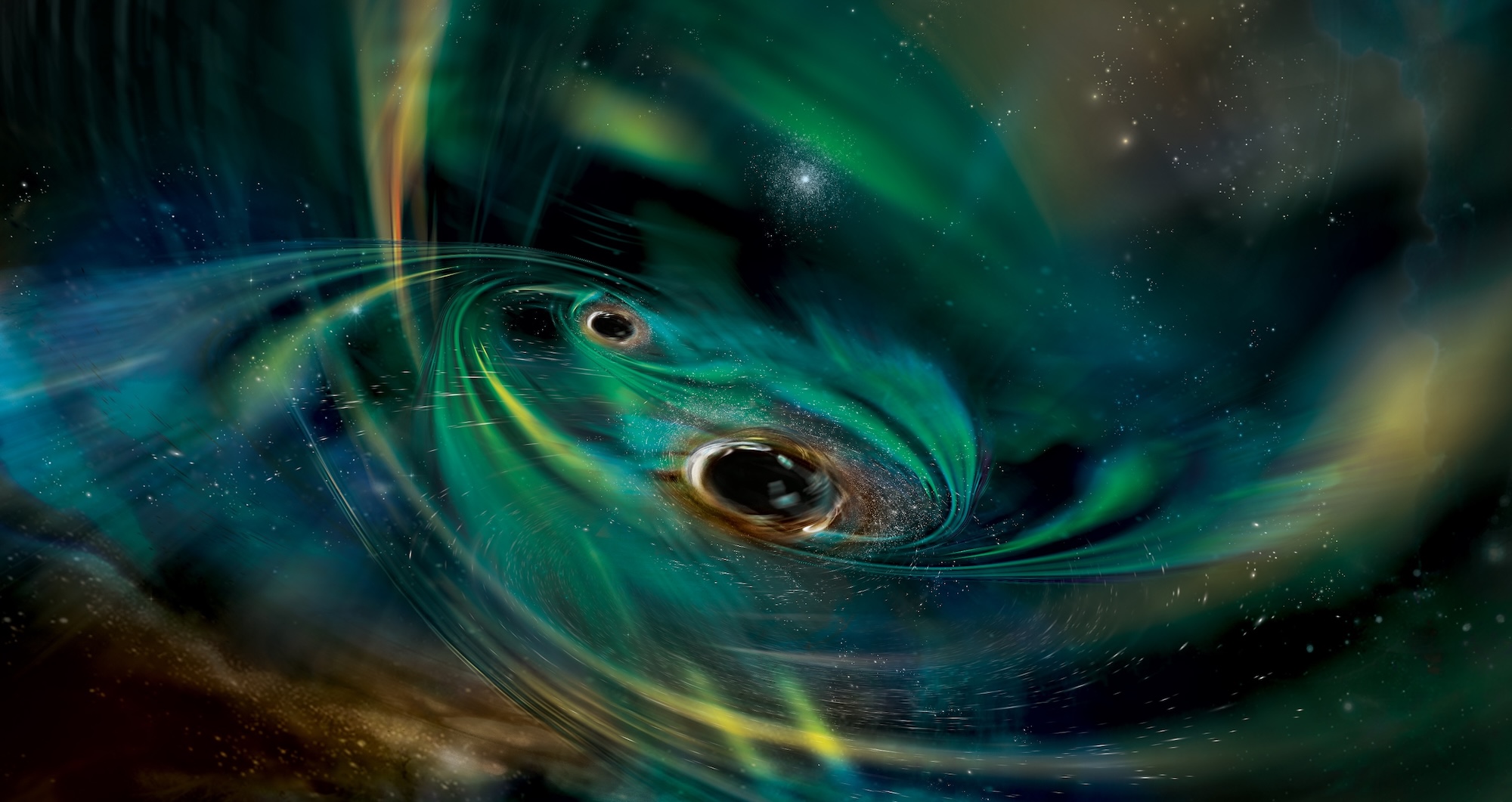
Study Suggests Most Black Hole Mergers Occur in Triple Star Systems
Recent research suggests that most stellar-mass black hole mergers occur in triple systems, where a close inner binary black hole pair is or
 AAS Nova·1mo ago
Study Suggests Most Black Hole Mergers Occur in Triple Star Systems
Recent research suggests that most stellar-mass black hole mergers occur in triple systems, where a close inner binary black hole pair is or
aasnova.org·1mo ago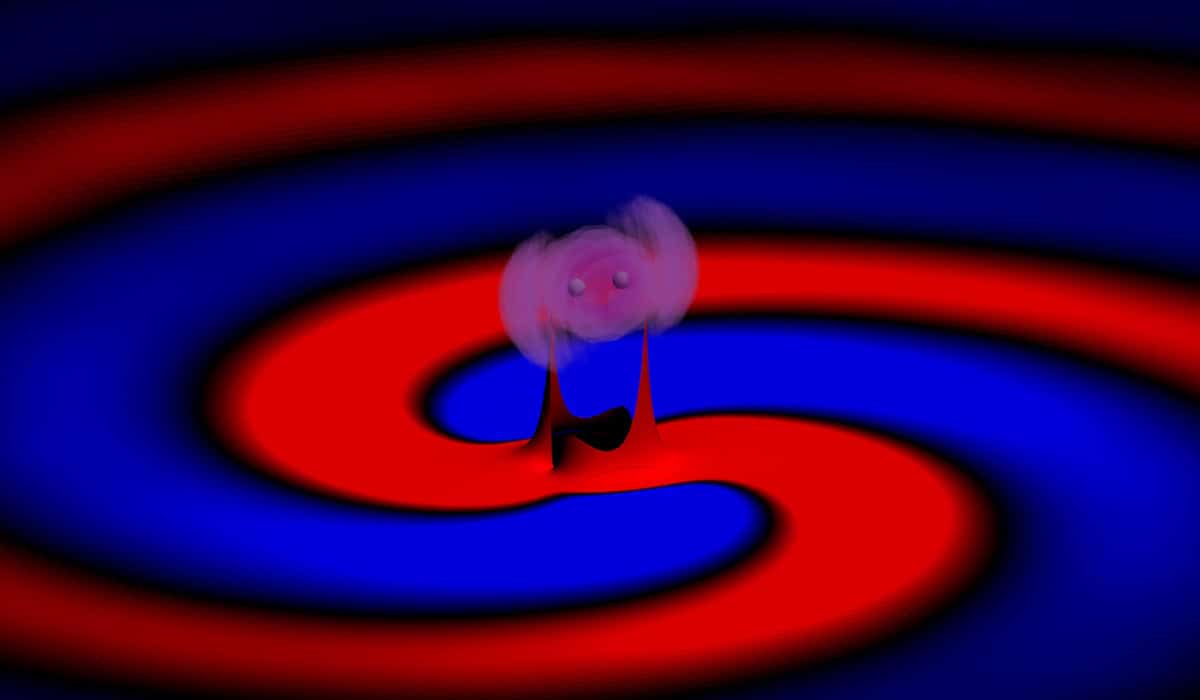
New model predicts how dark matter alters gravitational-wave signals from black hole mergers
Physicists have developed a new model predicting how gravitational-wave emissions from binary black hole systems are altered when they move
Comments
Sign in to join the conversation.
No comments yet. Be the first.