
























AI Imaging Reveals Obesity-Related Nerve Damage; Questions Raised About GLP-1 Drug Effects on Peripheral Nerves
By
David Brzostowicki
Summary
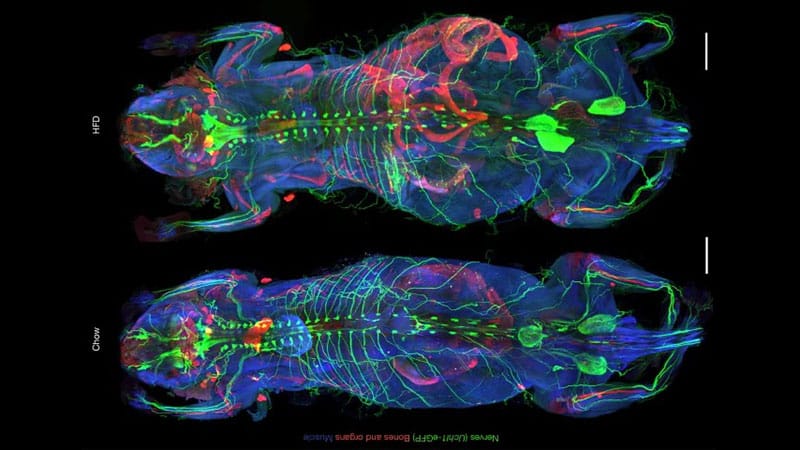
A new Nature study from Helmholtz Munich uses AI imaging to detect obesity-related peripheral neuropathy in mice and humans. The research reveals previously unseen nerve damage linked to obesity, and raises urgent questions about whether GLP-1 receptor agonists (like Ozempic/Wegovy) protect or further damage peripheral nerves. Small studies show conflicting evidence — some suggest GLP-1 drugs may improve nerve structure in diabetic neuropathy, while others document neuropathy cases from rapid weight loss caused by these drugs.
Source
 bskyAI Imaging Reveals Obesity-Related Nerve Damage; Questions Raised About GLP-1 Drug Effects on Peripheral Nervesmedscape.com
Key quotes
· 3 pulledWhat no one can yet answer is whether those drugs are protecting their peripheral nerves or damaging them further.
Small clinical studies suggest GLP-1 receptor agonists may improve nerve structure in patients with diabetic neuropathy, yet other studies document cases where patients develop peripheral neuropathy because of rapid weight loss due to GLP-1 drugs.
A team at Helmholtz Munich in Oberschleißheim, Germany, used an AI system
You might also wanna read


Study: GLP-1 drugs like semaglutide linked to lower amputation risk in diabetes patients with peripheral artery disease
A new study suggests that GLP-1 receptor agonists (like Ozempic and Wegovy) are associated with better outcomes in people with type 2 diabet
 medicalnewstoday.com·5d ago
Two Observational Studies Link GLP-1 Receptor Agonists to Reduced Breast Cancer Risk in Women with Obesity
Two observational studies found that GLP-1 receptor agonists (like Ozempic, Wegovy) are associated with reduced breast cancer incidence in w
mdsc.pe·13d ago
Experts warn easy access to GLP-1 drugs may increase eating disorder risks
Experts are raising concerns that the widespread availability of GLP-1 drugs (like Ozempic and Wegovy) through telemedicine and oral formula
mdsc.pe·18d ago
GLP-1 Receptor Agonists Linked to Small Risk of Smell and Taste Disturbances in Type 2 Diabetes
A study published in JAMA Otolaryngology-Head & Neck Surgery found that GLP-1 receptor agonists (RAs) used for type 2 diabetes are associate
mdsc.pe·6d ago
Study Finds GLP-1 Drugs Associated with 58% Lower Mortality in Colon Cancer Patients
A study analyzing over 6,800 colon cancer patients across University of California Health sites found that patients taking GLP-1 medications

What GLP-1 Drugs Reveal About the Brain's Compulsive Urges
GLP-1 medications (like Ozempic, Wegovy) are revealing insights about compulsive behavior beyond their effects on appetite. Patients report
mdsc.pe·15d ago
Comments
Sign in to join the conversation.
No comments yet. Be the first.