
























GLP-1 Receptor Agonists Linked to Small Risk of Smell and Taste Disturbances in Type 2 Diabetes
By
Nancy A. Melville
Summary
A study published in JAMA Otolaryngology-Head & Neck Surgery found that GLP-1 receptor agonists (RAs) used for type 2 diabetes are associated with a 38% higher relative risk of smell and taste disturbances, though the absolute risk remains low. Researchers advise clinicians and patients to be aware of these potential side effects but caution against routine discontinuation of therapy, recommending shared decision-making instead. The findings highlight that while the relative increase is notable, the actual incidence of these sensory disturbances is small.
Source

 Twitter / XGLP-1 Receptor Agonists Linked to Small Risk of Smell and Taste Disturbances in Type 2 Diabetesmdsc.pe
Key quotes
· 2 pulledClinicians and patients should be aware of the potential smell and taste disturbances among GLP-1 RA users.
While a 38% higher risk of these disturbances was observed, the absolute risk remained low; therefore, discontinuation of therapy should not be routine and should instead be guided by shared decision-making.
You might also wanna read


National Psoriasis Foundation Review Examines GLP-1 Receptor Agonists for Psoriasis with Metabolic Comorbidities
This review from the US National Psoriasis Foundation Medical Board provides an evidence-informed narrative synthesis on GLP-1 receptor agon
 doi.org·1mo ago
Phenome-wide analysis of downstream health outcomes following second-line antidiabetic agent prescriptions in All of Us
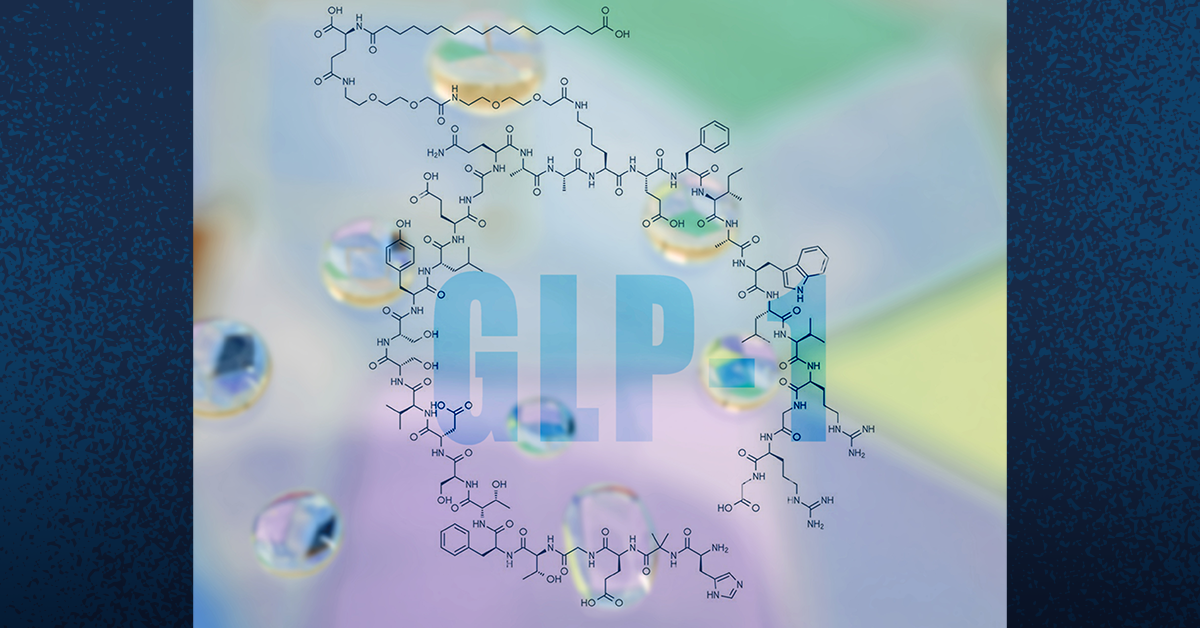
Study Finds GLP-1 Drugs Associated with 58% Lower Mortality in Colon Cancer Patients
A study analyzing over 6,800 colon cancer patients across University of California Health sites found that patients taking GLP-1 medications

GLP-1 Therapy Reduces Migraine Frequency by More Than Half in Obesity Patients
A study from the University of Naples found that liraglutide, a GLP-1 receptor agonist typically used for diabetes and obesity, significantl
 medlink.com·7mo ago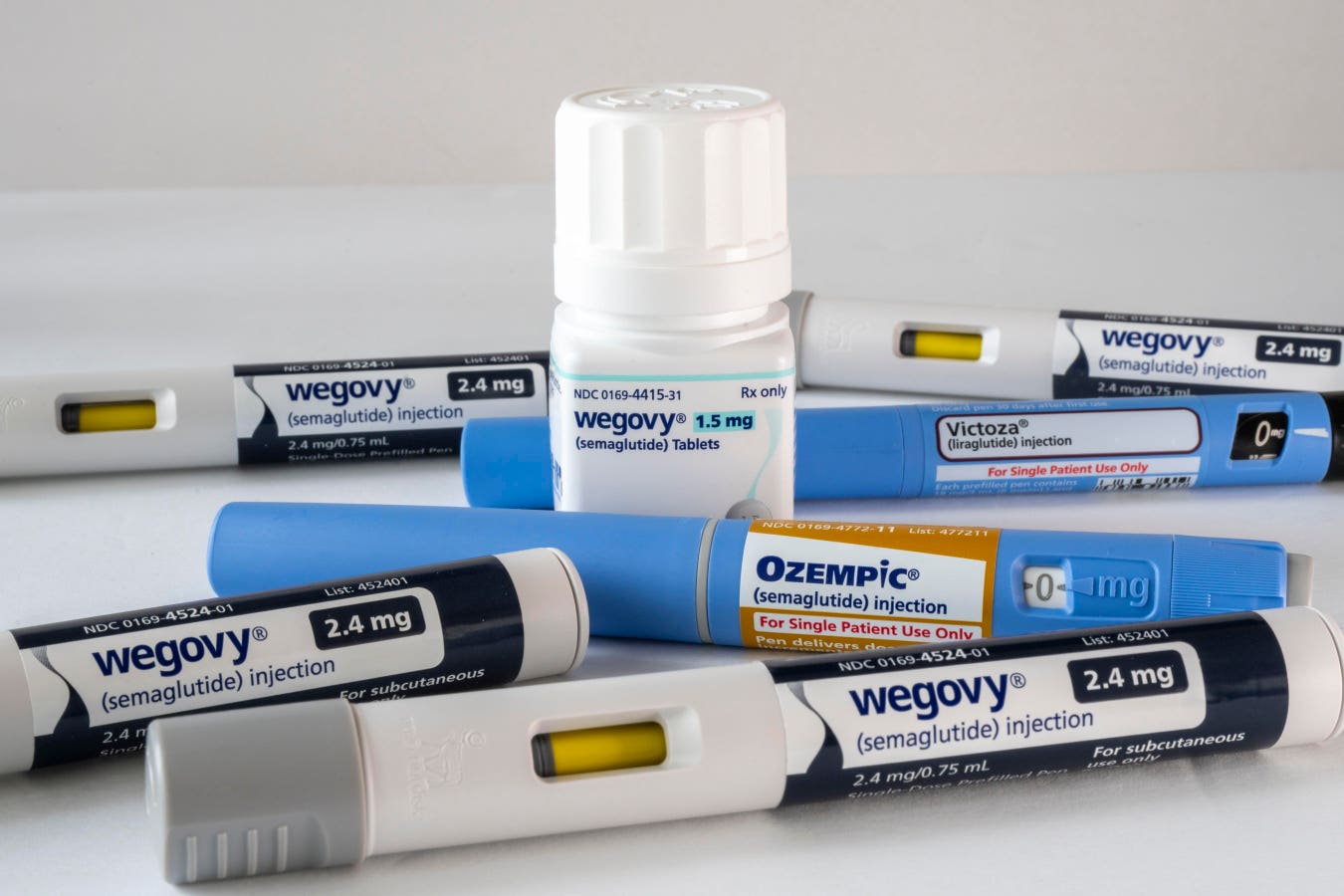
GLP-1 Drugs Linked to 30% Lower Breast Cancer Risk in New Study
New research published in the Journal of Clinical Oncology suggests GLP-1 weight loss medications may reduce cancer risk. An observational s
 forbes.com·21d ago
Study: Stopping GLP-1 Drugs Increases Heart Attack and Stroke Risk
New research published in BMJ Medicine reveals that stopping GLP-1 drugs (originally for diabetes, now popular for weight loss) leads to a r
 nautil.us·3mo ago
Comments
Sign in to join the conversation.
No comments yet. Be the first.