
























CT Scan vs. MRI vs. X-Ray: A Guide to Understanding Your Imaging Options
Summary
This article explains the key differences between CT scans, MRIs, and X-rays as diagnostic imaging tools. It covers how each type of imaging works, what conditions they are best suited for, and helps patients understand which imaging test might be appropriate for their specific injury or medical concern. The goal is to educate readers so they can have informed discussions with their doctors about imaging options.
Source

 Twitter / XCT Scan vs. MRI vs. X-Ray: A Guide to Understanding Your Imaging Optionshopkinsmedicine.org
Key quotes
· 3 pulledImaging tests are extremely powerful tools that can help doctors diagnose a range of conditions.
Imaging tests are not the same as one another.
Learn the differences between a CT scan, MRI and X-ray so you can have an informed discussion with your doctor about which type of imaging is right for you.
You might also wanna read
Radiology Key to Early Detection and Treatment of Age-Related Health Issues

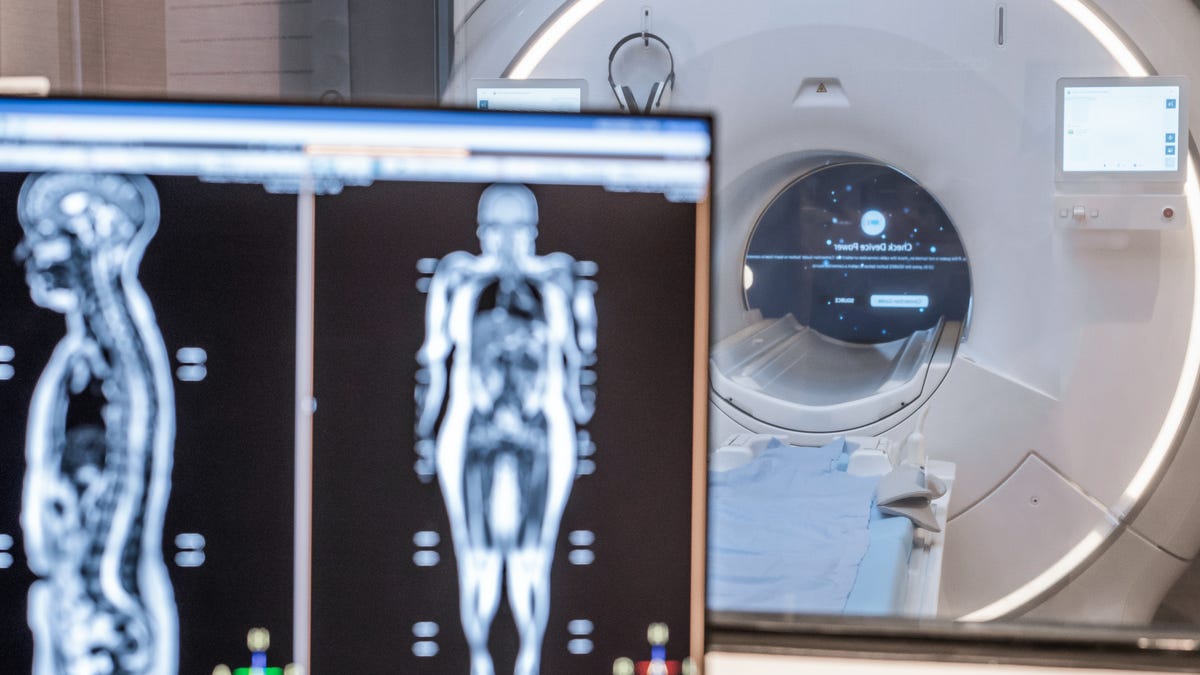
Examining the Effectiveness and Risks of Full-Body MRI Scans for Cancer Detection
The article examines the growing trend of full-body MRI scans for preventive health screening, exploring both the potential benefits and sig
 usatoday.com·4mo ago
Medical Imaging - Key Partner in Today's Health Care

Why AI isn't replacing radiologists: The limits of automation in medical imaging
The article discusses how AI systems like CheXNet can detect pneumonia from chest X-rays with greater accuracy than board-certified radiolog
 worksinprogress.news·9mo ago
A Single Chest X-ray Might Predict Your Risk of Heart Attack or Stroke Within a Decade
How AI is Solving Data Truncation in Cone-Beam CT Imaging
This article discusses the challenge of data truncation in Cone-Beam CT (CBCT) imaging systems, where the detector cannot cover the entire p
 akmaier.substack.com·26d ago
Comments
Sign in to join the conversation.
No comments yet. Be the first.