
























How AI is Solving Data Truncation in Cone-Beam CT Imaging
By
Andreas Maier
Summary
This article discusses the challenge of data truncation in Cone-Beam CT (CBCT) imaging systems, where the detector cannot cover the entire patient during scans. It explains how this physical limitation creates incomplete images (like taking a photo with a lens that only captures part of the subject), and explores how artificial intelligence is being developed to "see beyond the edges" and reconstruct the missing data. The article highlights the importance of this technology for improving diagnostic accuracy and patient outcomes in interventional procedures such as surgery and angiography.
Source

 bskyHow AI is Solving Data Truncation in Cone-Beam CT Imagingakmaier.substack.com
Key quotes
· 3 pulledImagine trying to take a photograph of an entire person, but the camera lens only covers the torso, leaving the head and limbs outside the frame. In CT imaging, this is known as data truncation.
Computed Tomography, or CT, scans are foundational tools in modern medicine, allowing doctors to create detailed cross-sectional images of the inside of the human body.
When these scans are performed using Cone-Beam CT (CBCT) systems—often employed in dynamic interventional procedures like surgery or angiography—they face a critical physical limitation: the detector cannot cover the entire patient.
You might also wanna read


Why AI isn't replacing radiologists: The limits of automation in medical imaging
The article discusses how AI systems like CheXNet can detect pneumonia from chest X-rays with greater accuracy than board-certified radiolog
 worksinprogress.news·9mo ago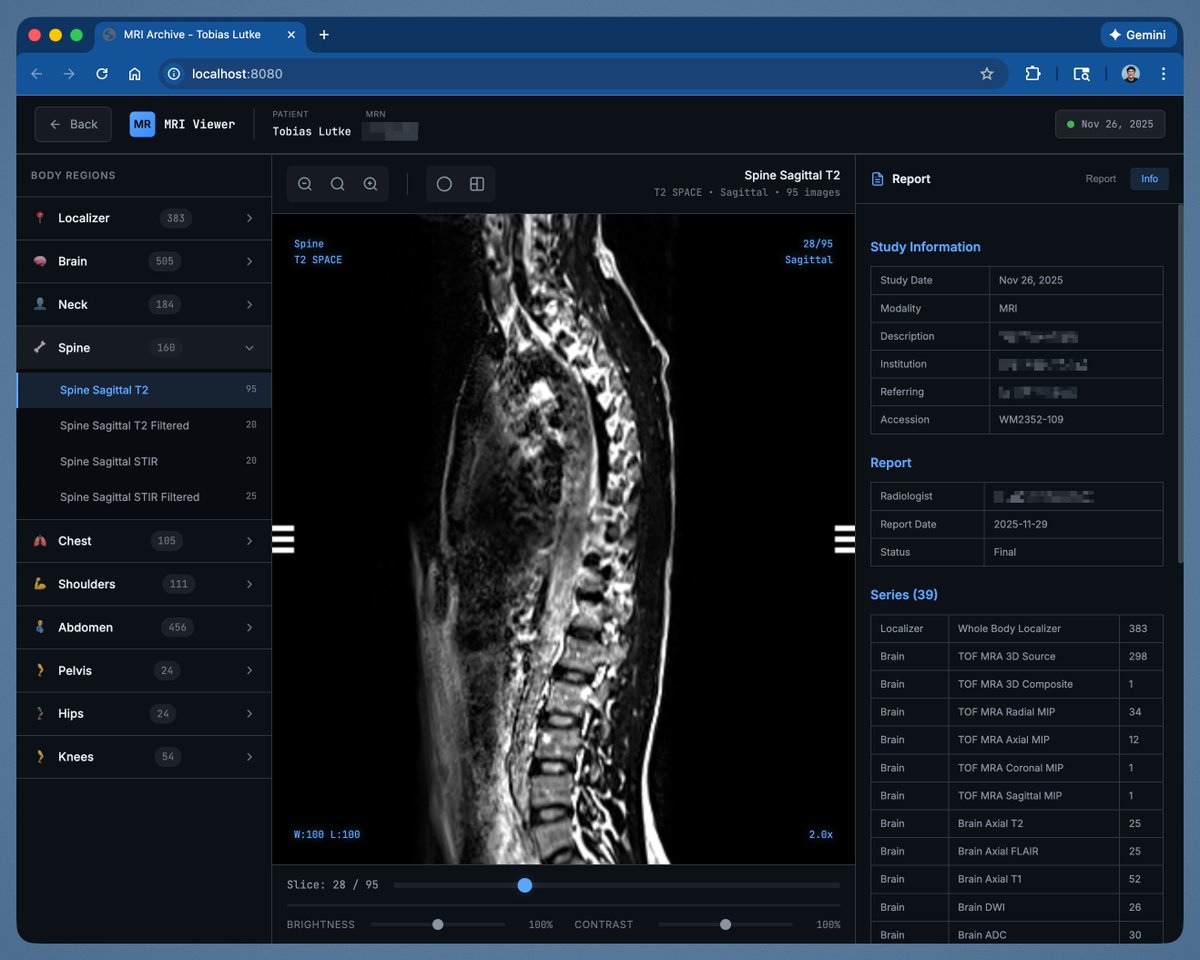
Using Claude AI to Create HTML Viewer for MRI Data Instead of Proprietary Software
Tobi Lutke shares his experience with annual MRI scans that provide data on a USB stick requiring proprietary Windows software to view. He u
 xcancel.com·5mo ago
Why patients should be cautious about AI scribing systems in medical appointments
Emily M. Bender and Decca Muldowney argue against the use of AI-powered automatic scribing systems in healthcare settings. The article detai
 buttondown.com·2mo ago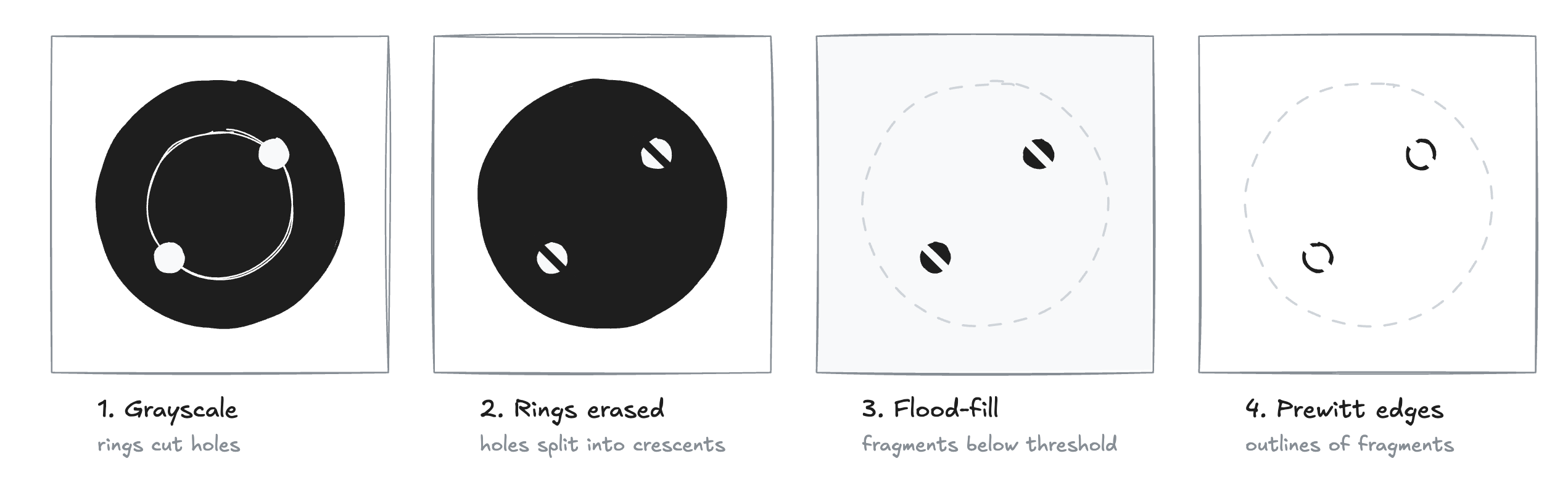
How Learning to Shoot a Rifle Led Me to Build a Custom Computer Vision Scoring System
A personal narrative about the author's journey from learning to shoot a rifle (to cook venison from scratch) to building a custom computer
 drobinin.com·2mo ago
Physicians Face Liability Risks as AI Diagnostic Tools Enter Clinical Medicine
This article examines the trust gap between physicians and AI diagnostic tools in clinical medicine. While AI can analyze vast datasets and
 mdsc.pe·9d ago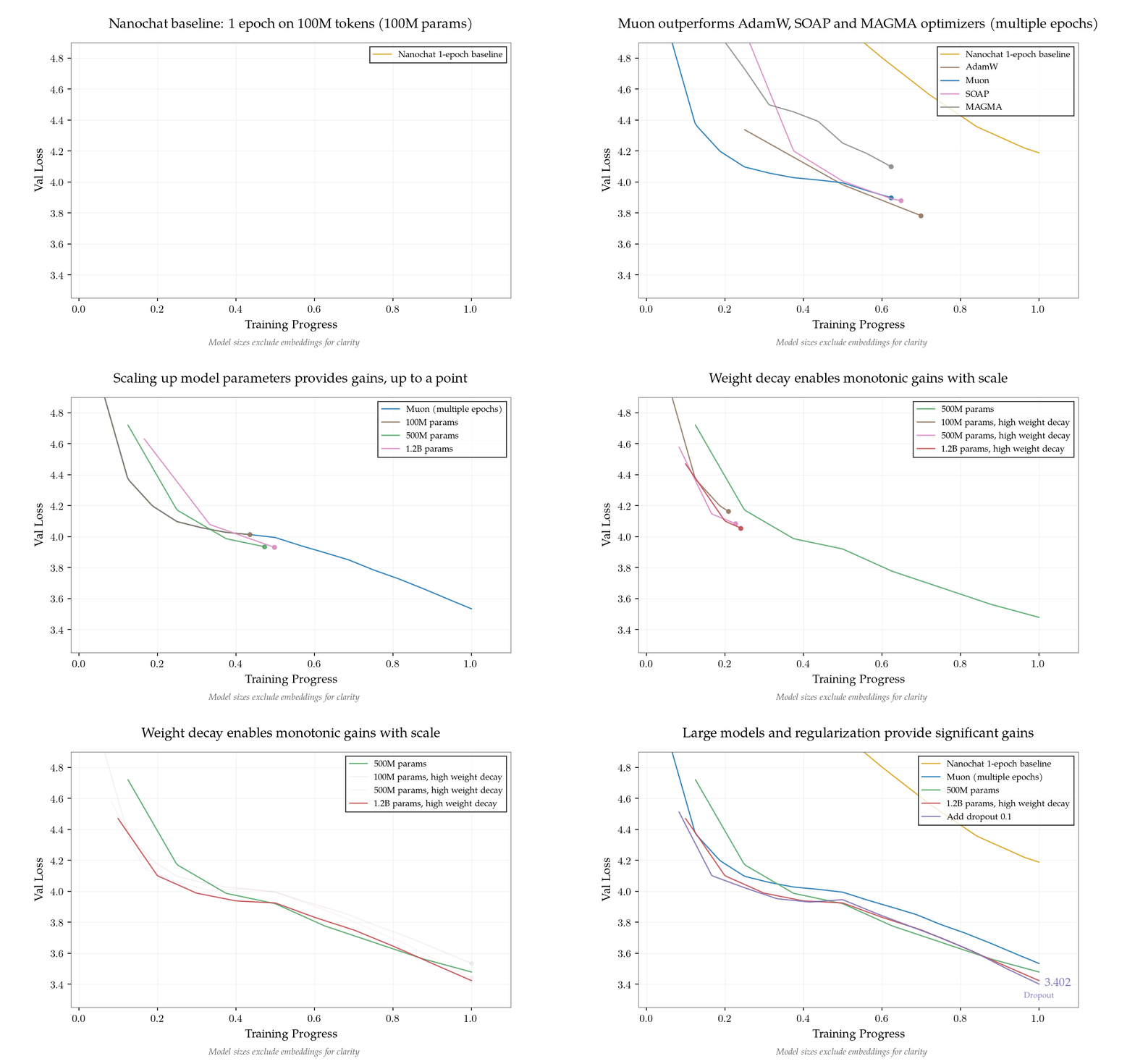
Data Scarcity as the Emerging Bottleneck in AI Scaling and Intelligence Development
The article discusses the asymmetry between compute and data growth in AI development, arguing that while compute capacity grows rapidly, da
Comments
Sign in to join the conversation.
No comments yet. Be the first.