
























NASA's Dragonfly Mission Heat Shield Completes Critical Thermal-Structural Testing for Titan Journey
By
Arezu Sarvestani
Summary
NASA's Dragonfly mission, which will explore Saturn's largest moon Titan, has successfully completed thermal-structural testing of its heat shield at Sandia National Laboratories' National Solar Thermal Test Facility in New Mexico. The heat shield was subjected to extreme temperatures simulating the intense heat it will encounter during atmospheric entry at Titan. The testing involved collaboration between NASA's Ames Research Center, Johns Hopkins Applied Physics Laboratory, Lockheed Martin, and Sandia National Laboratories. Dragonfly is a rotorcraft lander designed to fly through Titan's thick atmosphere and study its surface composition, atmosphere, and potential for prebiotic chemistry.
Source

 bskyNASA's Dragonfly Mission Heat Shield Completes Critical Thermal-Structural Testing for Titan Journeyscience.nasa.gov
Key quotes
· 3 pulledThe heat shield for NASA's Dragonfly mission completed thermal-structural testing in the New Mexico desert.
Dragonfly team members, including those from NASA's Ames Research Center, the Johns Hopkins Applied Physics Laboratory, and Lockheed Martin, collaborated with personnel at Sandia National Laboratories' National Solar Thermal Test Facility.
In preparation for the journey to reach the surface of Saturn's largest moon, Titan, the heat shield for NASA's Dragonfly mission completed thermal-structural testing.
You might also wanna read


Firefly Aerospace Acquires Space-ng to Strengthen Autonomous Space Operations Capabilities
Firefly Aerospace has acquired Space-ng Inc., a company specializing in AI-powered vision navigation and autonomous guidance systems. The ac
 fireflyspace.com·17h ago
NASA Taps Rocket Lab to Launch Two Earth and Solar Science Missions Under VADR Contract
NASA has selected Rocket Lab to provide launch services for two Earth and solar science missions — PolSIR (Polarized Submillimeter Ice-cloud
 go.nasa.gov·9h ago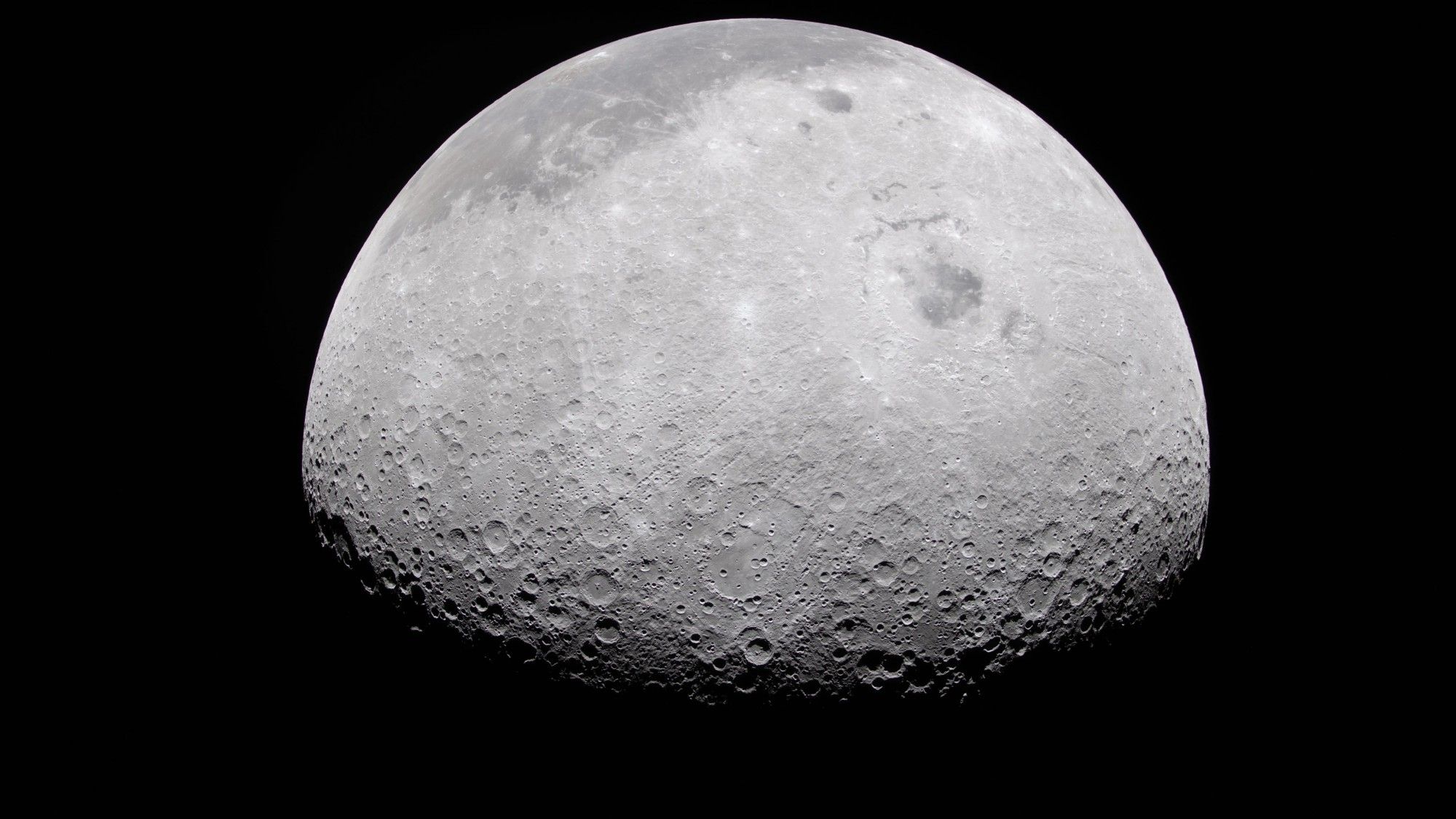
Spent SpaceX Falcon 9 upper stage on course to impact the moon this August
A spent SpaceX Falcon 9 upper stage, left over from the Jan. 15, 2025 launch that sent Firefly's Blue Ghost-1 lander and ispace's Hakuto-R M
 space.com·14h ago
NASA's Voyager Probes Encounter 'Wall of Fire' at Solar System's Edge
NASA's Voyager probes encountered a 'wall of fire' at the edge of the Solar System, measuring temperatures of 30,000-50,000 kelvin. The boun
iflscience.com·1y ago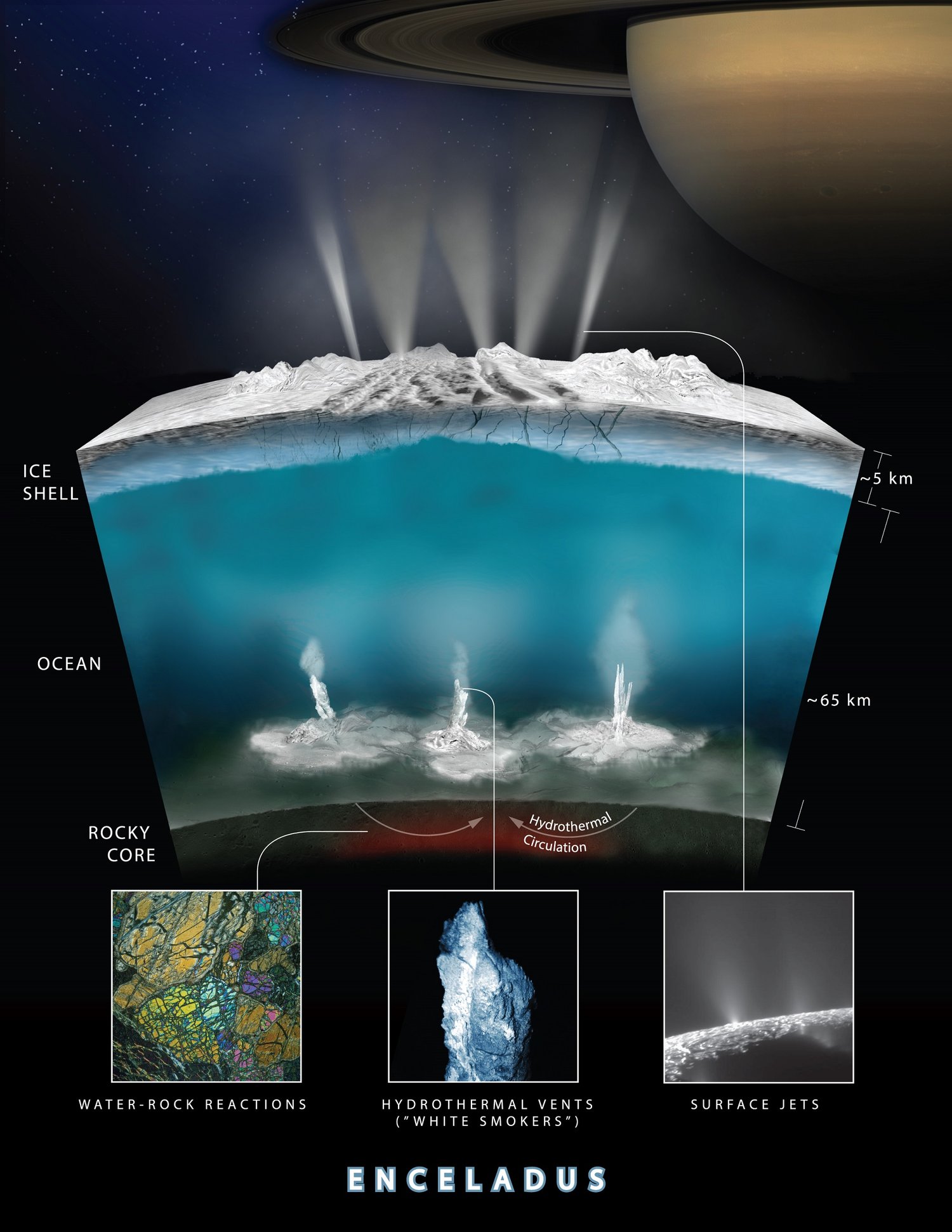
Study tests Earth bacteria survival in Enceladus-like conditions, published in Nature Communications
Scientists tested whether Earth bacteria could survive in conditions similar to those found on Saturn's moon Enceladus. The Cassini mission
 universal-sci.com·3d ago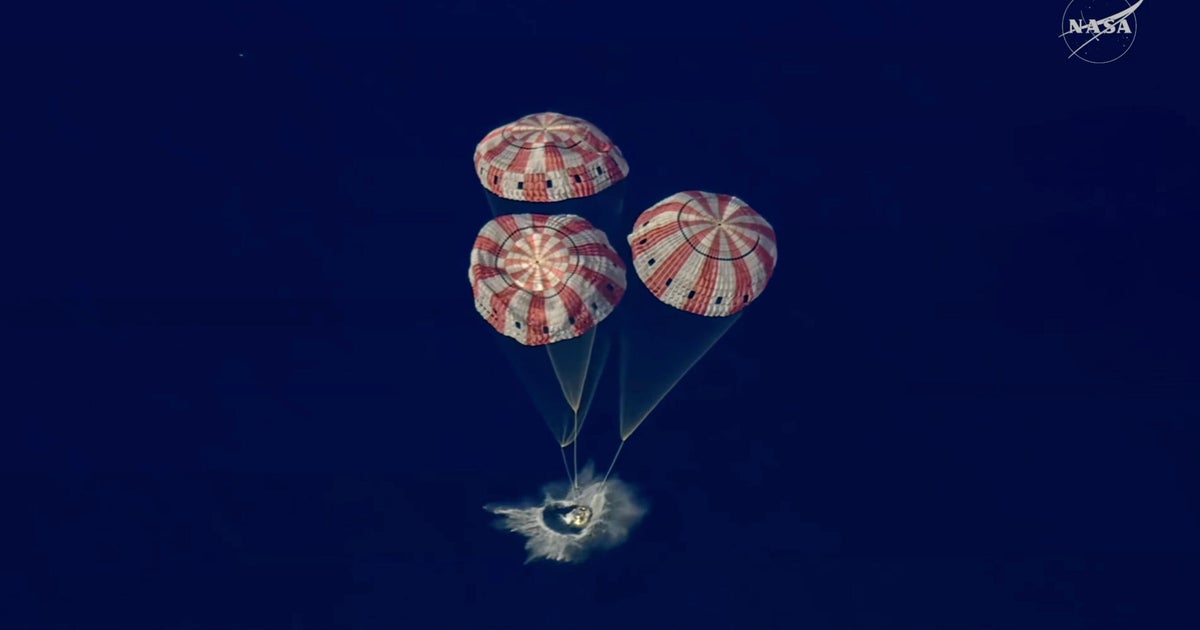
NASA's Artemis II Mission Concludes with Successful Pacific Ocean Splashdown
NASA's Artemis II mission successfully concluded with the Orion spacecraft splashing down in the Pacific Ocean near San Diego after a histor
 cbsnews.com·2mo ago
Comments
Sign in to join the conversation.
No comments yet. Be the first.