
























Sun fires 10 solar flares in 24 hours; Earth-bound CMEs may boost northern lights for July 4 weekend
By
Daisy Dobrijevic
Summary
The Sun has been highly active, firing off 10 M-class solar flares in 24 hours following an X1.1 flare on June 30. Several of these eruptions produced coronal mass ejections (CMEs) that appear to be at least partially Earth-directed. Space weather forecasters predict heightened geomagnetic activity and increased chances of seeing the northern lights around the July 4 holiday weekend, with possible G1-G2 geomagnetic storm conditions.
Source
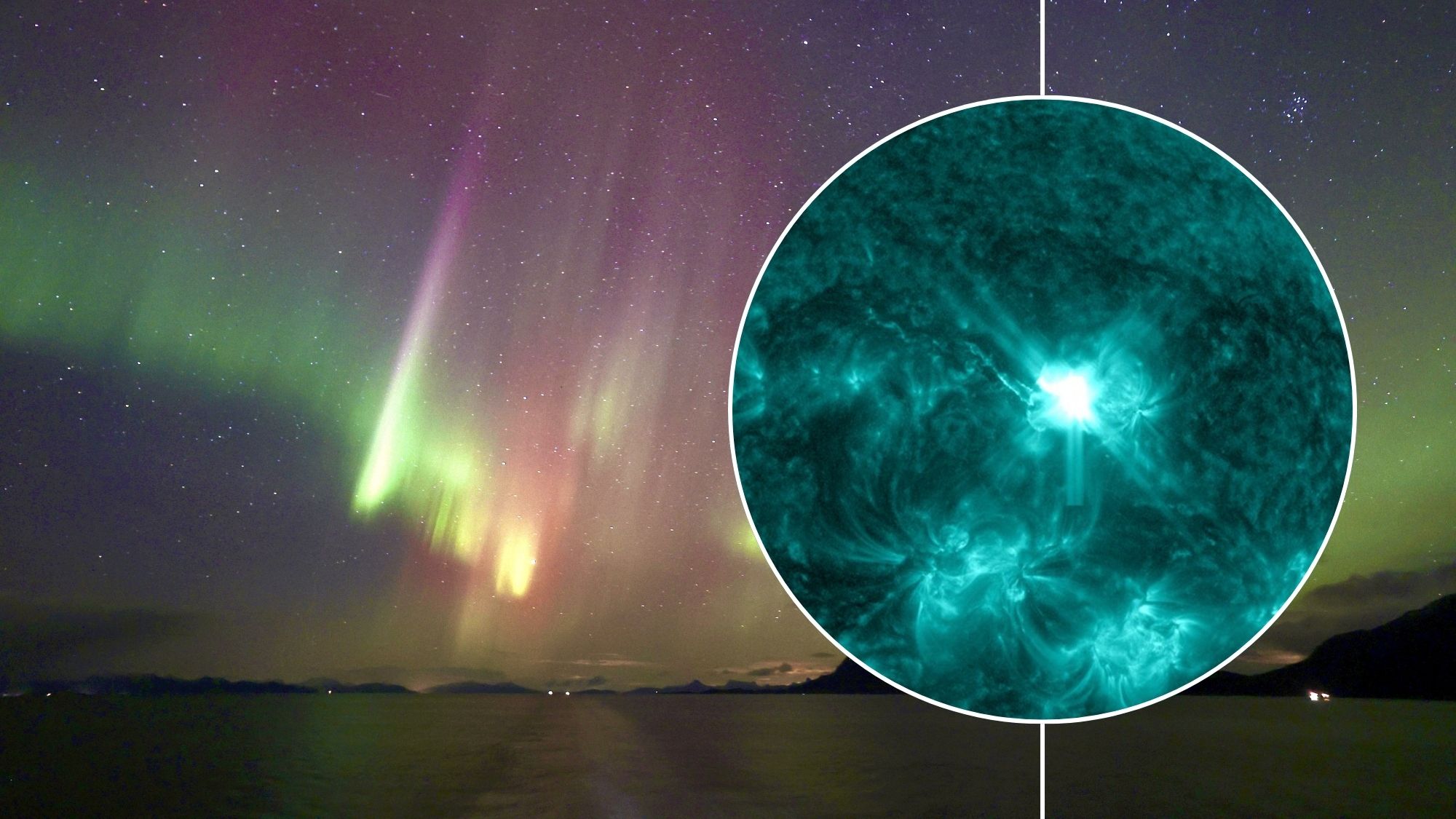
 Twitter / XSun fires 10 solar flares in 24 hours; Earth-bound CMEs may boost northern lights for July 4 weekendspace.com
Key quotes
· 3 pulledAfter unleashing an X1.1 solar flare on June 30, the sun continued its outburst by firing off 10 M-class solar flares in 24 hours!
Several of these eruptions were accompanied by coronal mass ejections (CMEs) that appear to be at least partially Earth-directed.
Exactly how many of these solar storms will reach Earth (and how effective they will be) is still being calculated, but space weather forecasters say the coming days could bring heightened geomagnetic activity and increased chances of seeing the northern lights.
You might also wanna read

:max_bytes(150000):strip_icc():focal(749x0:751x2)/Northern-lights-sweden-051226jpg-f4f751d9f4084fb3a2ec26c486a9eb6c.jpg)
Solar Flare May Enhance Northern Lights Visibility Tonight
A solar flare erupted from the sun on May 10, launching a coronal mass ejection (CME) that is expected to brush past Earth late Tuesday, May
 People.com·1mo ago
Sun unleashes powerful X-class solar flare and Earth-bound CME that could spark northern lights for July 4 weekend

'Machine-gun sun' could bring auroras to more than a dozen states this Independence Day weekend
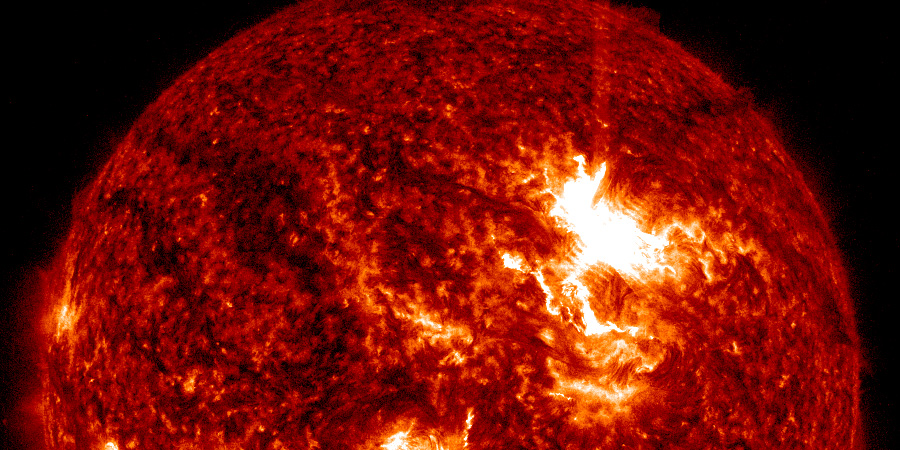
X5.1 Solar Flare Erupts, Triggers G4 Geomagnetic Storm Watch
A powerful X5.1 solar flare erupted from sunspot region 4274, marking the strongest flare from this region and the sixth strongest of the cu
 spaceweatherlive.com·7mo ago
:max_bytes(150000):strip_icc():focal(999x0:1001x2)/night-sky-041825-370d4fab5cd34bd9a28addb9a77731d8.jpg)
Weekend Stargazing Guide: Venus, Jupiter, and Northern Lights Visible in Darker Skies
This weekend offers ideal stargazing conditions with minimal moonlight interference as Venus (the "Evening Star") brightens and approaches J
People.com·1mo ago
NOAA Reports Severe G4 Geomagnetic Storm on January 19, 2026
The article reports on a severe G4 geomagnetic storm that occurred on January 19, 2026, as monitored by NOAA's Space Weather Prediction Cent
 swpc.noaa.gov·5mo ago
Comments
Sign in to join the conversation.
No comments yet. Be the first.