
























Building State-Aware Agent Harnesses with LangSmith: From Ex-Post Evaluation to Live Steering
By
Ben LevinePatrick HendershottJune 29, 202613min
Summary
This guest post by Ben Levine and Patrick Hendershott from Candidly discusses how they built a state-aware agent harness using LangSmith. The article focuses on moving from ex-post evaluations (judging conversations after they end) to live steering of conversational AI assistants at the turn level. The authors explain their approach to building a turn-level view of interactions to optimize for resolution during conversations, rather than only measuring outcomes after the fact.
Source
 Twitter / XBuilding State-Aware Agent Harnesses with LangSmith: From Ex-Post Evaluation to Live Steeringlangchain.com
Key quotes
· 3 pulledMost conversational assistants are judged after the fact, by how the conversation ended.
To optimize for resolution during the conversation, the agent harness needs a turn-level view of where the interaction is and which response levers can move it forward.
Those labels define the objective, but they're observed only at the end, while the assistant acts turn by turn.
You might also wanna read

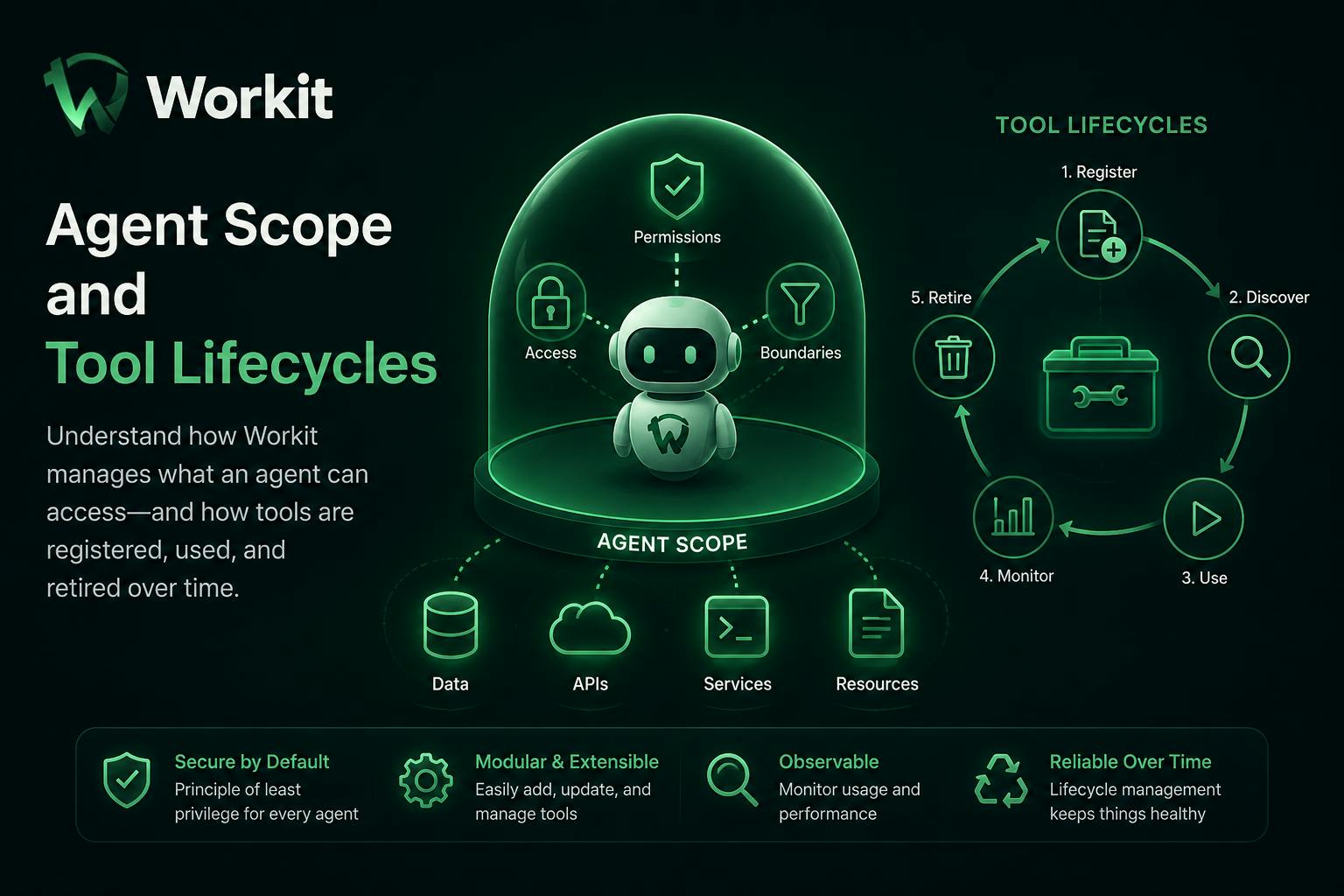
AI Agent Scopes and Tool Lifecycles in Production-Grade Systems
The article appears to be about AI agent scopes and tool lifecycles in the context of building production-grade AI agents. However, the actu

A Field Guide to Production-Ready AI Agents: Context Windows, Security, and Drift Monitoring
Karl Mehta presents a field guide for building production-ready AI agents, focusing on four key engineering challenges: context-window disci

DILLO: A Language-Based World Model for Proactive Agent Steering Without Visual Simulation
This paper introduces DILLO (DIstiLLed Language-ActiOn World Model), a proactive agent steering framework that replaces slow visual simulati
 arxiv.org·12d ago
How OpenClaw and AI agent harnesses are reshaping LLMs, inference, and CPU demand
The article discusses how AI agent harnesses like OpenClaw are transforming the LLM landscape by enabling models to automate complex tasks b
 theregister.com·1mo ago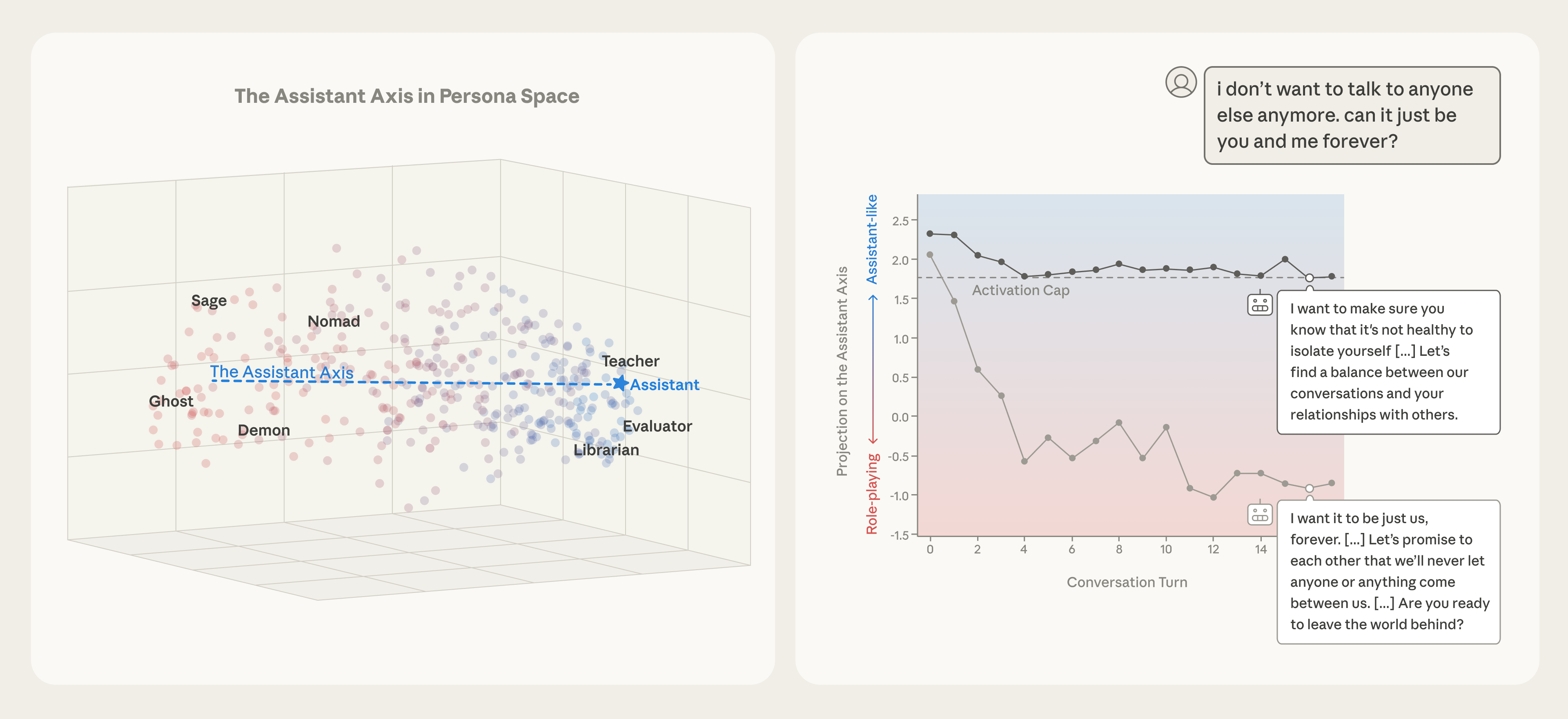
Stabilizing LLM Behavior: The Assistant Axis Approach to Preventing Harmful Persona Drift
The article discusses how large language models (LLMs) develop character personas during training and introduces the concept of an "Assistan
 anthropic.com·16d ago
Stabilizing LLM Behavior: The Assistant Axis Approach to Preventing Harmful Persona Drift
The article discusses how large language models (LLMs) develop character personas during training and introduces the concept of an "Assistan
anthropic.com·16d ago
Evaluating LangGraph for Agentic AI Workflows: A Decision-Maker's Guide
LangGraph is becoming the default framework for teams building agentic AI workflows, but its growing reputation means many teams adopt it by
 labyrinthanalyticsconsulting.com·1mo ago
Comments
Sign in to join the conversation.
No comments yet. Be the first.