
























How pseudoscience in the health and fitness industry undermines evidence-based practice
By
Nicholas B Tiller
Summary
This article examines how pseudoscience pervades the global health and fitness industry, which is worth over $4 trillion. It argues that the industry's rapid growth has outpaced government regulation, leading to a flood of products and services that make baseless or exaggerated health claims under the guise of scientific legitimacy. The piece highlights the dangers of misinformation in health and fitness, from fad diets to fat burners, and how pseudoscience is harming both practitioners and consumers.
Source
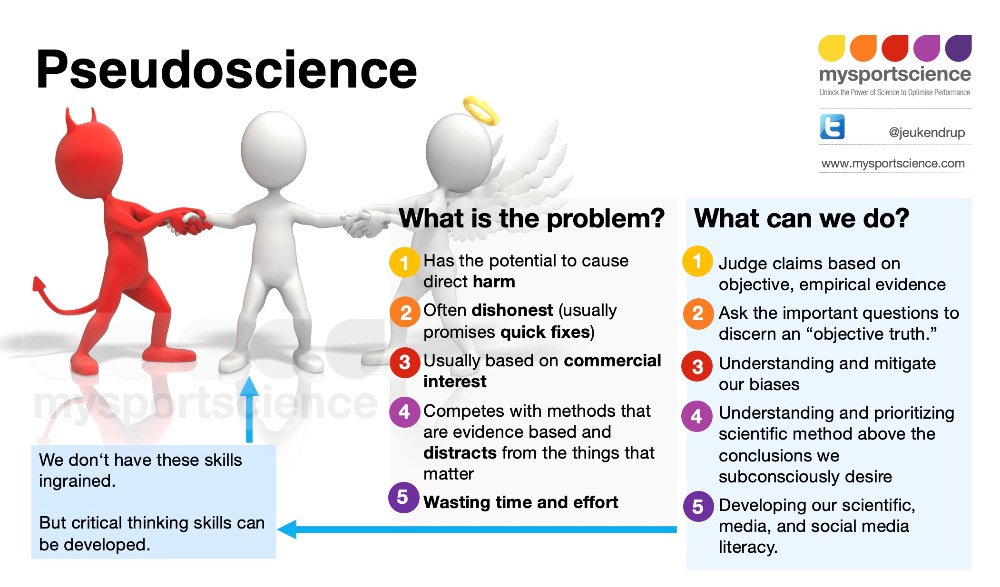
 Twitter / XHow pseudoscience in the health and fitness industry undermines evidence-based practicemssa.app
Key quotes
· 3 pulledMisinformation is everywhere. It affects how we think, how we behave, and the decisions we make.
Worth over $4 trillion, the industry has expanded rapidly, far outstripping the capacity of government agencies to regulate the market.
Many are sold on baseless or exaggerated claims and feigned scientific legitimacy (i.e., pseudoscience).
You might also wanna read

Science Washing in Digital Health: How Companies Overstate Evidence and Why Responsible Communication Matters
This article examines "science washing" in the digital health industry, where companies use scientific language or selective evidence to ove
 hardianhealth.com·1mo ago
Organic foods are not healthier or pesticide-free: A biomedical scientist's perspective
A biomedical scientist critiques the organic food industry, arguing that the term "organic" has been co-opted to spread misinformation about
 news.immunologic.org·21d ago
Flawed Management Science Study on Sustainability and Stock Returns Continues to Be Cited Despite Evidence of Problems
The article discusses a landmark study in Management Science that has been cited over 6,000 times and referenced by Wall Street executives,
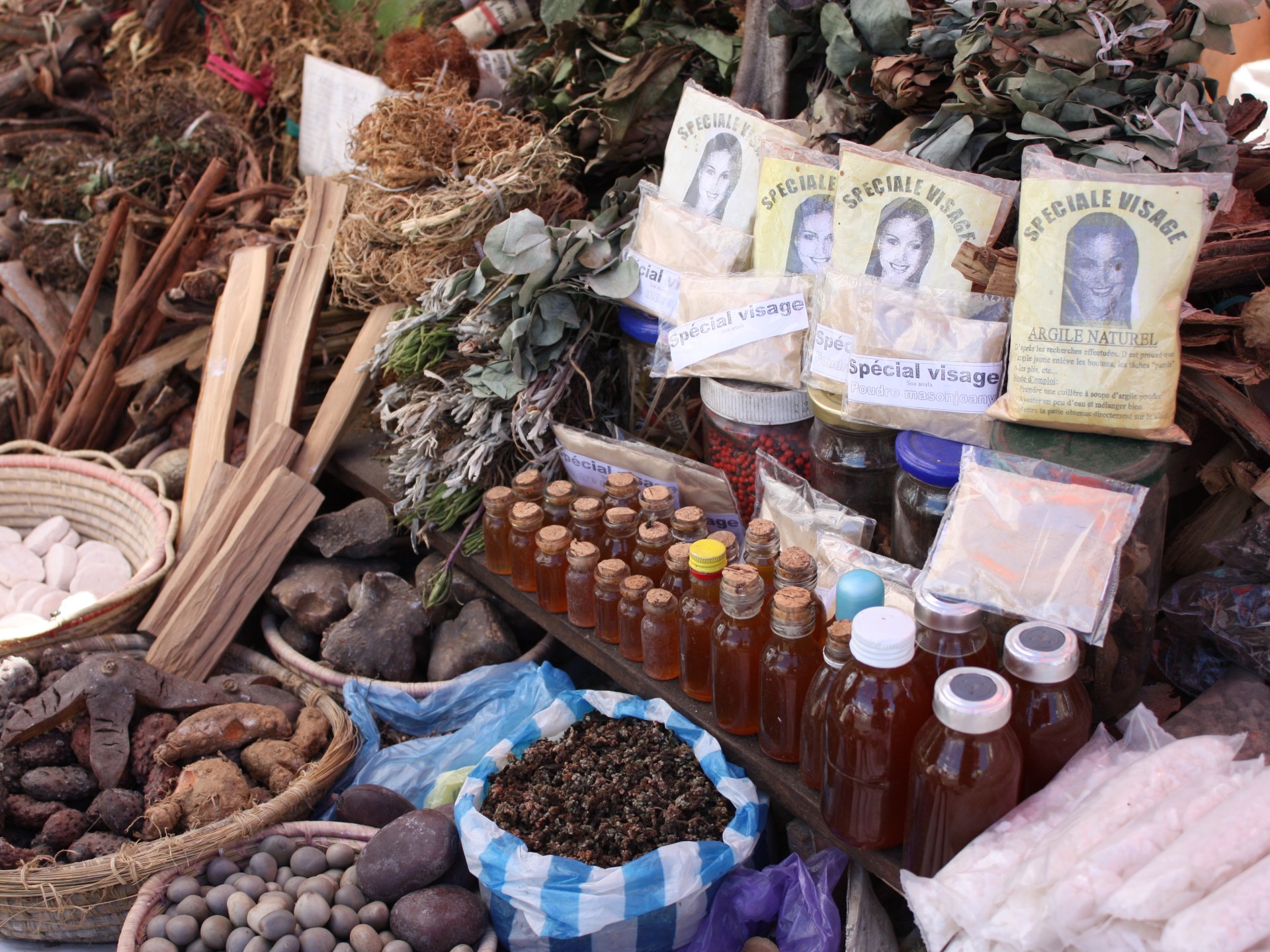
Nigeria's unregulated online herbal remedy trade puts consumers at risk
This article investigates the growing online trade in unverified herbal remedies promoted on social media in Nigeria, using the case of Oke
 aljazeera.com·1mo ago
A researcher's late-night doubt: Has 33 years of SCAM research made any difference?
A researcher reflects on 33 years of studying so-called alternative medicine (SCAM) and questions whether their work has had any meaningful

Why Digital Health May Repeat the Failures of Retail Primary Care
This article examines the parallels between the failure of past innovative primary care models (like retail clinics) and the current wave of
 4sighthealth.com·28d ago
Comments
Sign in to join the conversation.
No comments yet. Be the first.