
























Comparing memory safety CVEs in Rust versus C and C++
By
nicoburns
Summary
This article analyzes how memory safety CVEs (Common Vulnerabilities and Exposures) differ between Rust and C/C++ ecosystems. It focuses on vulnerabilities caused by memory unsafety (as opposed to logic bugs), how they are reported especially in libraries, and compares the patterns between Rust's memory-safe design and C/C++'s traditional approach. The author addresses common misconceptions about comparing CVE counts between the two languages, noting that Rust's safety guarantees significantly reduce memory safety vulnerabilities but don't eliminate all security issues.
Source
 Hacker NewsComparing memory safety CVEs in Rust versus C and C++kobzol.github.io
Key quotes
· 3 pulledBecause sometimes I see people online who compare the number of CVEs in Rust vs C/C++ without understanding the fundamental differences in how memory safety vulnerabilities manifest.
Memory unsafety can easily lead to exploits, making these among the most nasty kinds of vulnerabilities.
Some CVEs are caused simply by bugs in the program logic, but memory safety issues are fundamentally different in nature and impact.
You might also wanna read


Microsoft plans memory safety improvements for C# inspired by Rust, without dropping automatic memory management
Microsoft's .NET team is planning to improve memory safety in C# by introducing a new model and redefining the 'unsafe' keyword, drawing ins
 theregister.com·1mo ago
Rust vs C++ in Native Iceberg Scan Operators
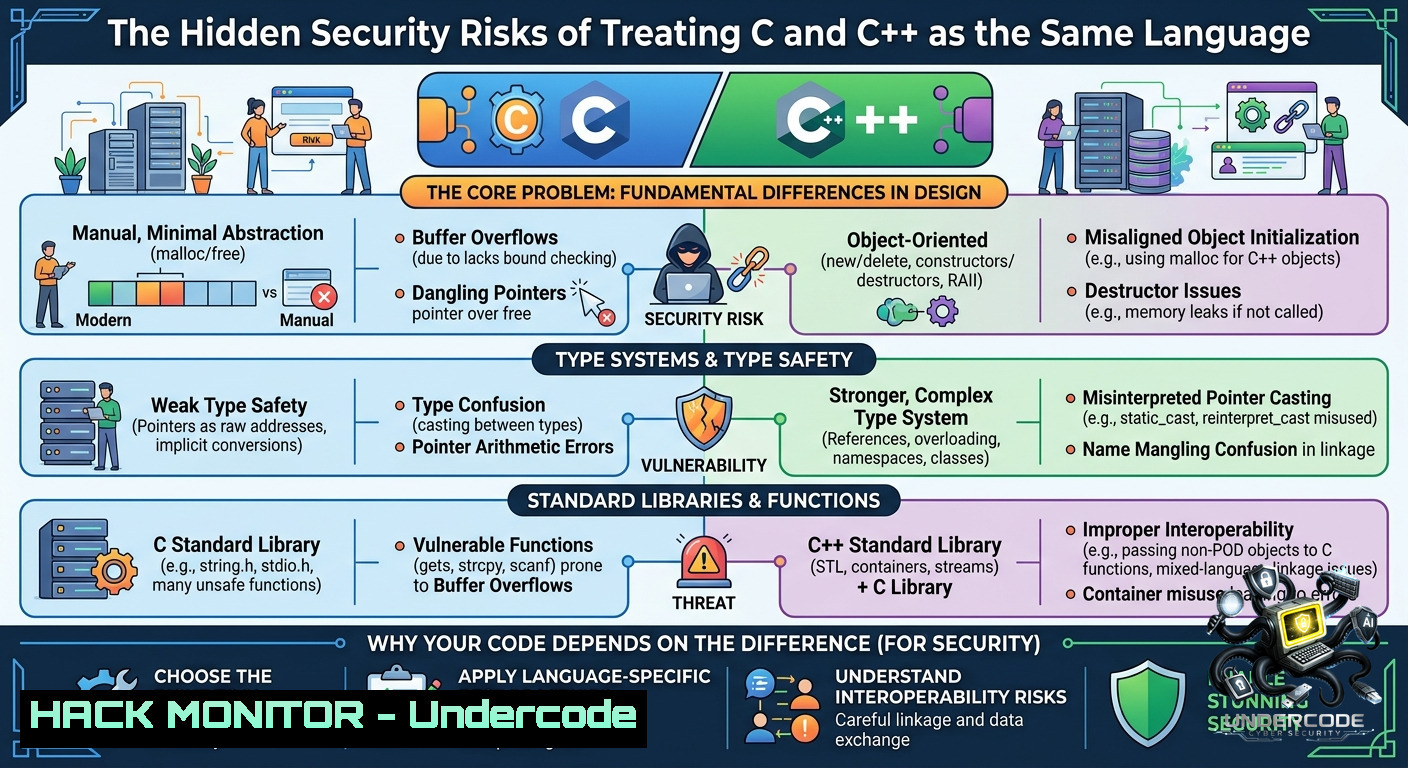
The Security Risks of Conflating C and C++: Why the Differences Matter for Secure Coding
This article argues that treating C and C++ as interchangeable languages ("C/C++") is a dangerous practice that leads to security vulnerabil
 undercodetesting.com·24d ago
Rust vs C++ in Native Iceberg Scan Operators

An unintimidating introduction to the dark arts of C/C++ vulnerabilities

cuTile Rust: Extending Rust's Ownership Model to Safe GPU Kernel Programming
This paper (arXiv:2606.15991) presents cuTile Rust, a system that extends Rust's ownership and borrowing guarantees to GPU kernel authoring.
 hgpu.org·21d ago
Comments
Sign in to join the conversation.
No comments yet. Be the first.