
























Four types of demons that have shaped scientific thinking
By
Robert P Crease
Summary
This article by Robert P Crease explores how demons — mythical creatures — have been used as conceptual tools in science and philosophy for centuries. It categorizes demons into four types: one-off, law-governed, instructional, and place-holder. The piece highlights James Clerk Maxwell's famous 1867 demon thought experiment, which appeared to violate the second law of thermodynamics, and discusses how such imaginary beings help scientists and thinkers explore complex ideas about nature, knowledge, and the limits of physical laws.
Source
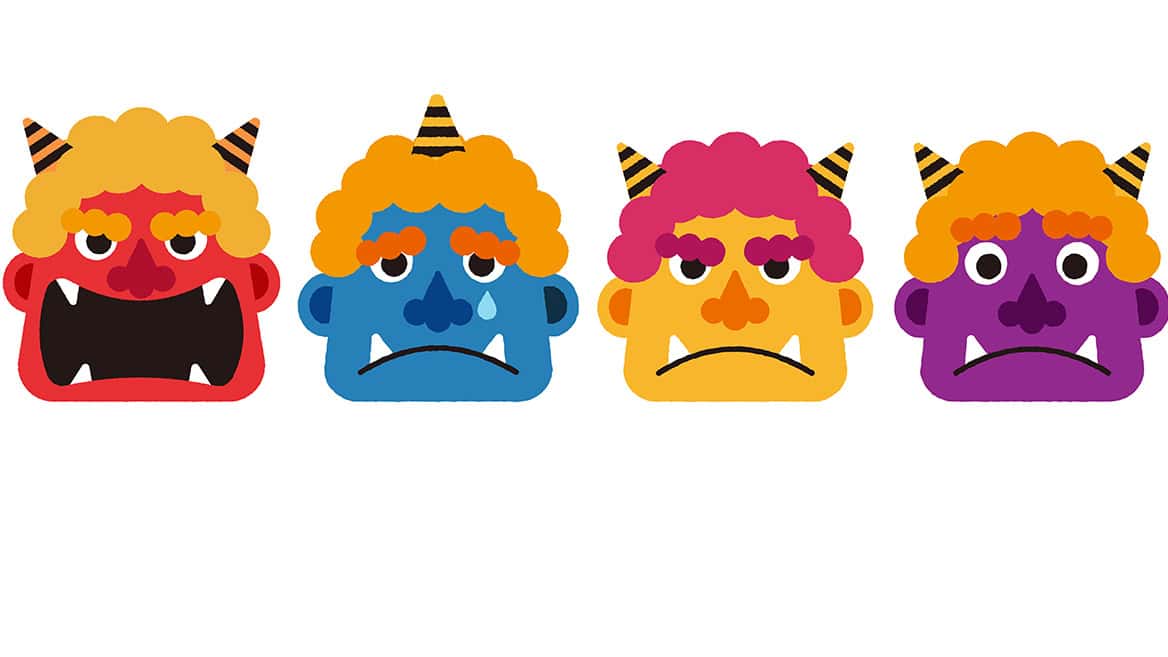 bskyFour types of demons that have shaped scientific thinkingphysicsworld.com
Key quotes
· 3 pulledDemons might be mythical, but for hundreds of years these imaginary creatures have been fantastically useful for thinking about science and the humanities.
For physicists, the most famous demon was dreamed up by James Clerk Maxwell in 1867.
With their long, rich and varied history demons can tell us about both nature and thinking itself.
You might also wanna read

Carl Sagan's Baloney Detection Kit: Critical Thinking Tools for Distinguishing Science from Pseudoscience
The article discusses Carl Sagan's "Baloney Detection Kit," a set of critical thinking tools he developed to help distinguish science from p
 openculture.com·4mo ago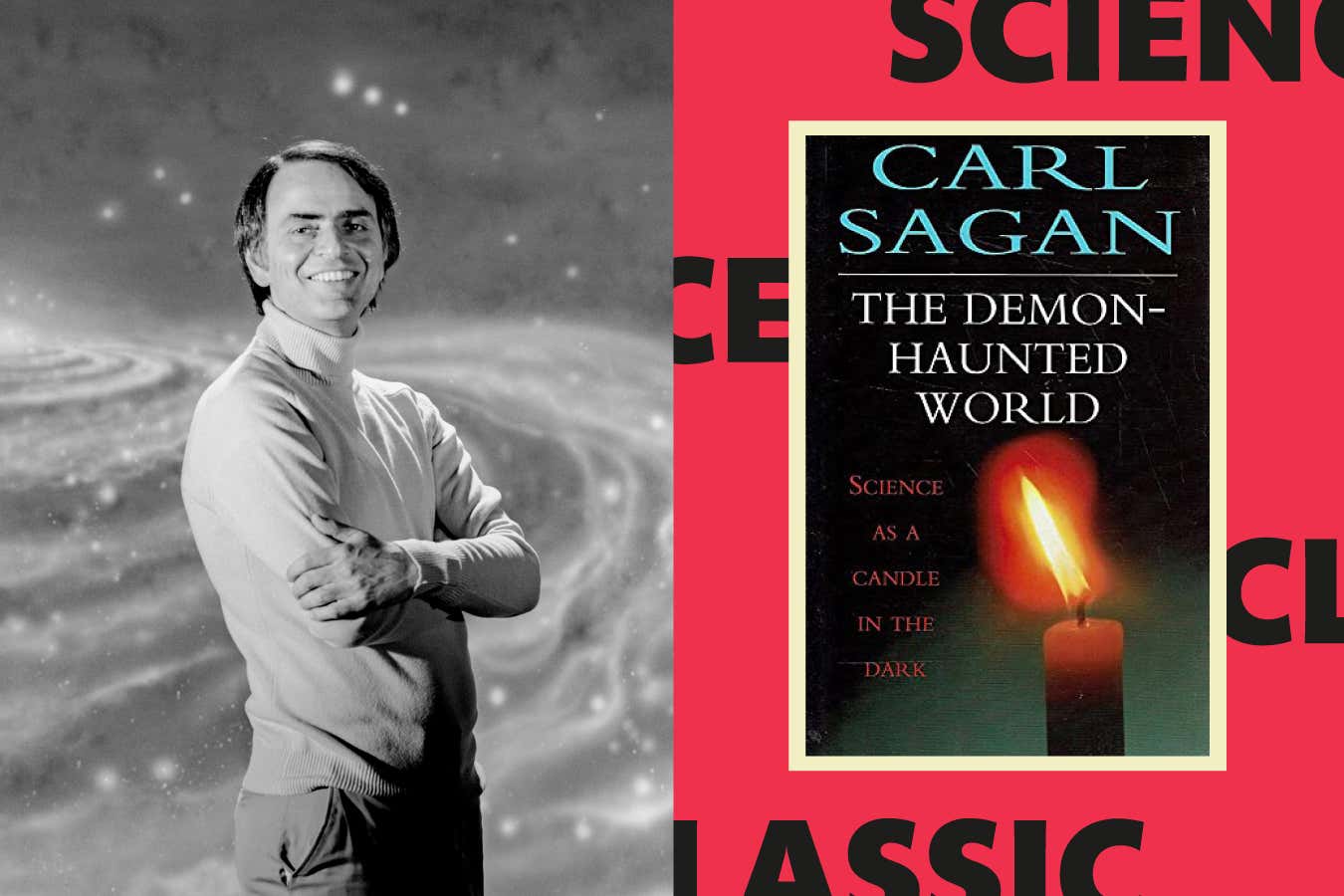
Why Carl Sagan's 1995 book 'The Demon-Haunted World' remains essential reading for critical thinkers today
A review and reflection on Carl Sagan's 1995 book "The Demon-Haunted World: Science as a Candle in the Dark," which argues that the book rem
 newscientist.com·1d ago
Book Review: "There Is No Antimemetics Division" - Exploring Horror in Formal Systems and Memory
This book review analyzes "There Is No Antimemetics Division," a horror novel that explores the terrifying concept of antimemes—ideas that e
 stephendiehl.com·2mo ago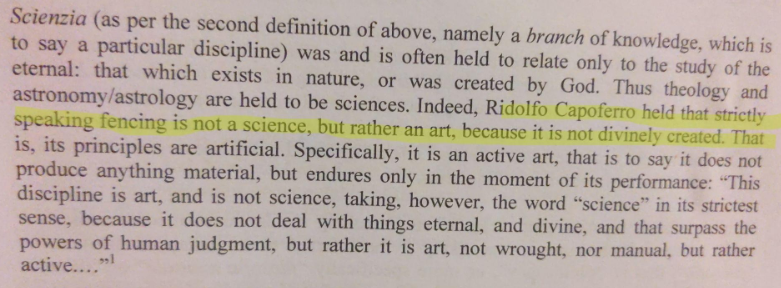
16th Century Italian Perspectives on the Definition of Science and Art
The article explores the 16th century Italian philosophical debate about what constitutes 'science' (scienzia), examining historical perspec
The Enduring Mystery of Eels: From Aristotle to Folklore
A reflective exploration of the mysterious origins and life cycle of eels throughout history. The article discusses how eels have remained b
The Conceptual Challenge of Evaluating Large Language Models: When Language Fails to Describe Novel Technology
The article examines the psychological and linguistic challenges in evaluating Large Language Models (LLMs), arguing that their novel nature
Comments
Sign in to join the conversation.
No comments yet. Be the first.