
























Carl Sagan's Baloney Detection Kit: Critical Thinking Tools for Distinguishing Science from Pseudoscience
Though he died too young, Carl Sagan left behind an impressively large body of work, including more than 600 scientific papers and more than 20 books.
Read the full articleYou might also wanna read

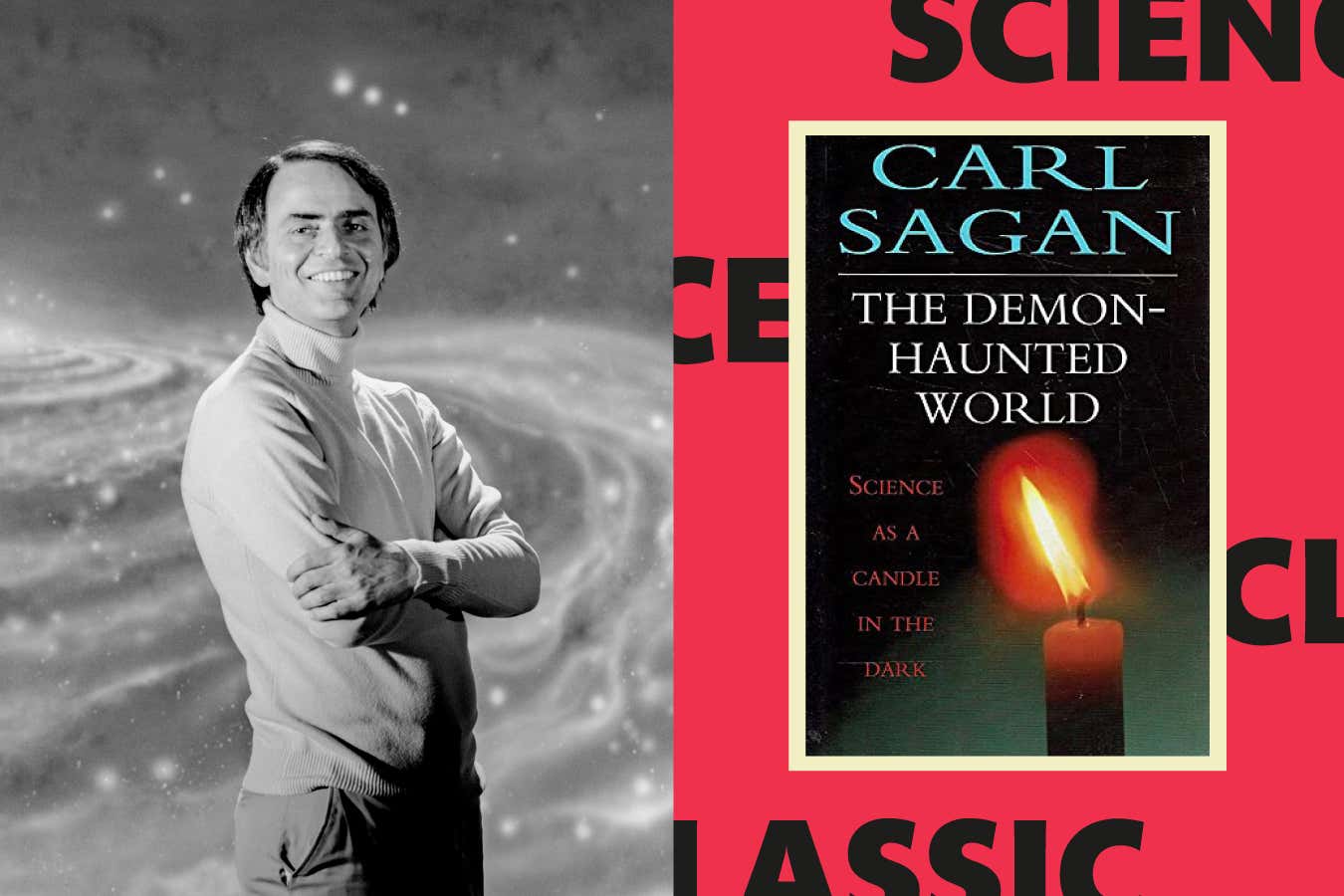
Why Carl Sagan's 1995 book 'The Demon-Haunted World' remains essential reading for critical thinkers today
Beautifully written, this guide to distinguishing between truth, misinformation and lies, first published in 1995, remains an essential read
 newscientist.com·19d ago
Scientists outline three-tier framework for debunking pseudoscience and disinformation
Research published on how scientists can help stamp out the spread of disinformation
 badastronomy.beehiiv.com·1mo ago
Scientists outline three-tier framework for debunking pseudoscience and disinformation
Research published on how scientists can help stamp out the spread of disinformation
badastronomy.beehiiv.com·1mo ago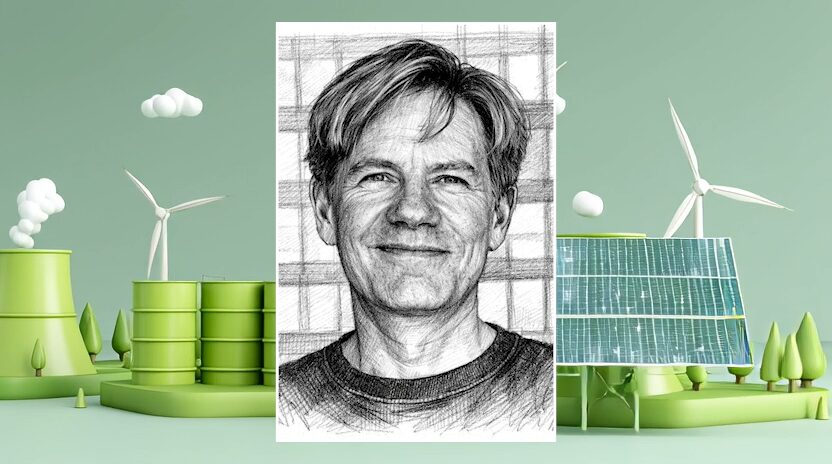
Two Decades Later: Bjorn Lomborg's Environmental Skepticism Has Entered the Mainstream
Summary: When Bjorn Lomborg challenged environmental doomsday narratives, he was met not with open debate but with efforts to discredit and
 humanprogress.org·7d ago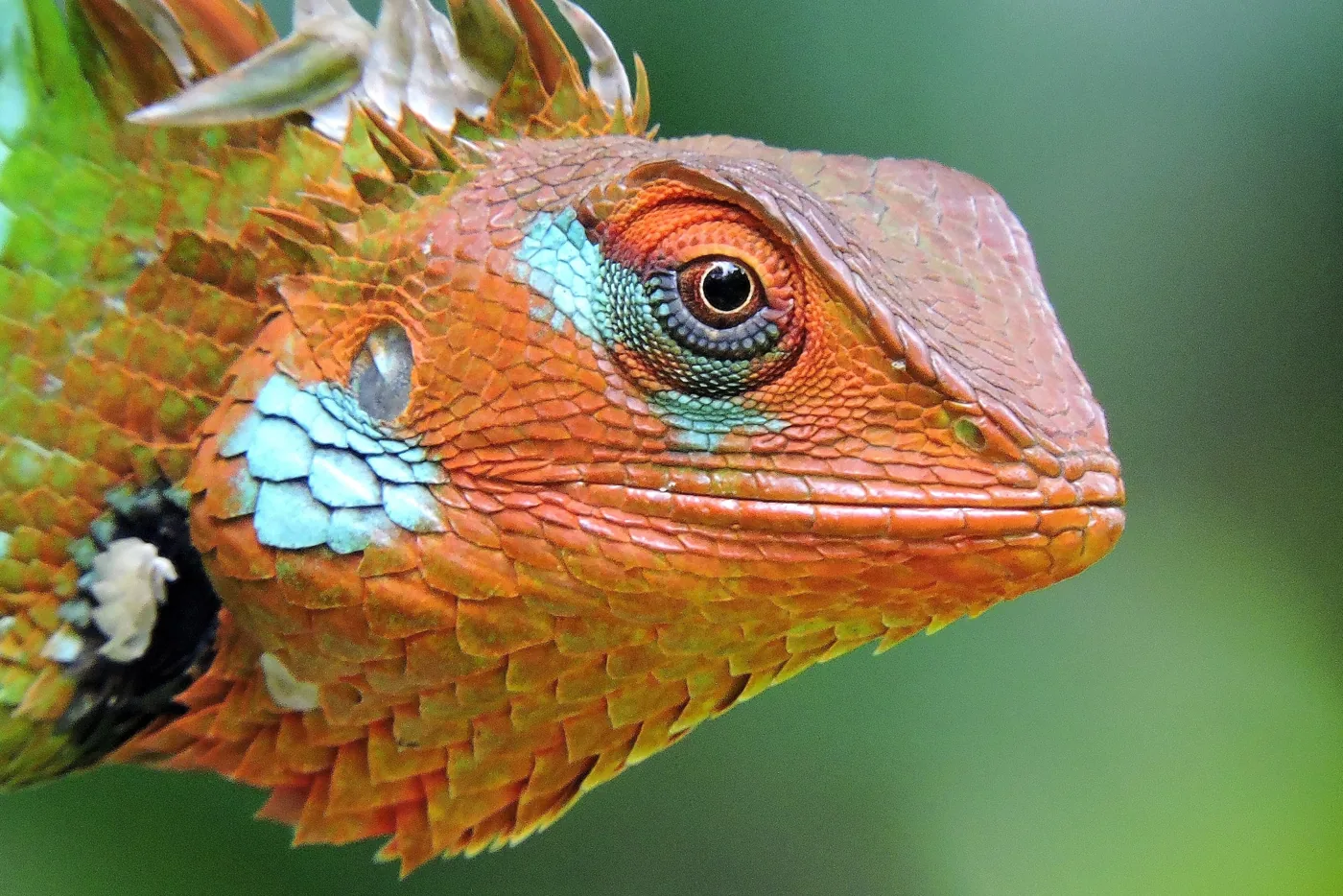
Debunking the "Lizard Brain" Myth: Why the Triune Brain Model Is Scientifically Invalid
The false belief traces back to the fact that Carl Sagan was one of its strongest proponents.
 scienceandculture.com·8d ago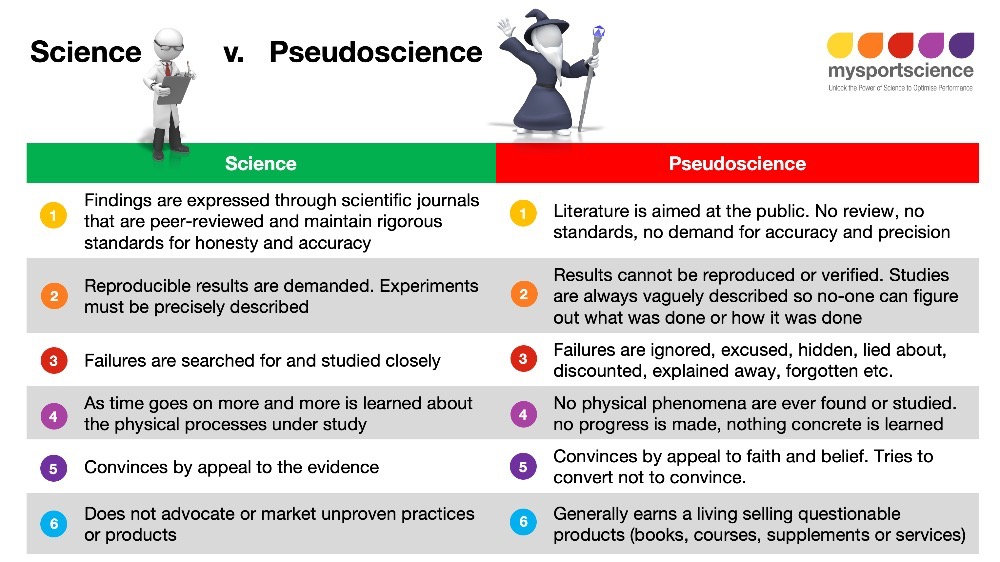
Understanding pseudoscience: How to distinguish it from real science
Pseudoscience is almost the opposite of science, even though it dresses up in science’s clothes. But underneath those clothes, everything is
 mssa.app·22h ago
Understanding pseudoscience: How to distinguish it from real science
Pseudoscience is almost the opposite of science, even though it dresses up in science’s clothes. But underneath those clothes, everything is
mssa.app·22h ago
Comments
Sign in to join the conversation.
No comments yet. Be the first.