
























Medieval text family trees suggest 60% of works vanished over centuries
6h agoen
Source
PhysMedieval text family trees suggest 60% of works vanished over centuriesphys.orgFor every King Arthur or Roland, whose adventures readers can still enjoy today, another hero of ancient literature may have been lost forever. Before the printing press, texts were copied manually. This process introduced errors and innovations. Like mutations in the replication of DNA, these manuscript changes can be used to create evolutionary trees that philologists call stemmata. Since these trees are based on the extant copies, they do not reflect the full evolutionary history of texts and cannot account for those that are completely lost.
You might also wanna read
Trois volumes pour comprendre les batailles du canon littéraire
ActuaLitté·27d ago


Ancient DNA reveals human evolution is a complex network, not a simple branching tree
This article argues that the traditional metaphor of a branching "human family tree" is outdated and misleading. Instead, based on ancient D
 universal-sci.com·19d ago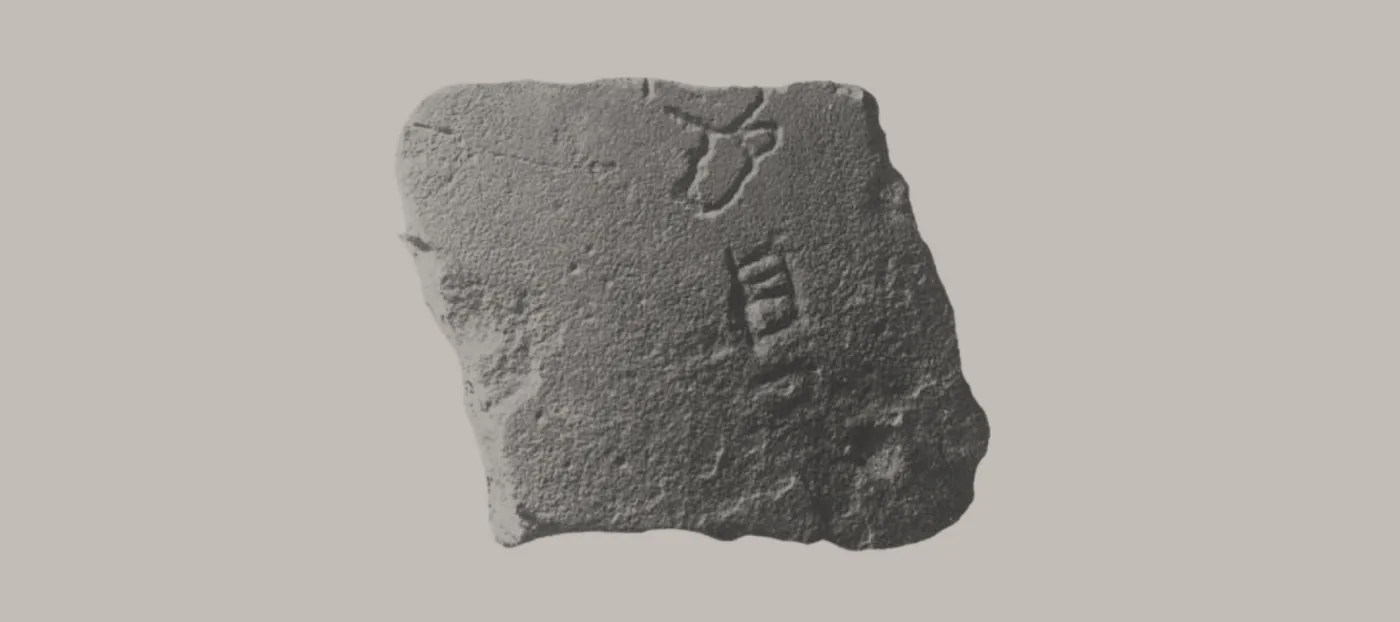
The Human Evolution of Written Letters: A Millennia-Long Journey
A reflective essay on the evolution of written letters, tracing their origins back thousands of years to ancient carvings in sandstone mines
 mass-driver.com·8h ago
Vieux de 1500 ans, ce livre garde encore sa couverture en bois d'origine
ActuaLitté·6d ago
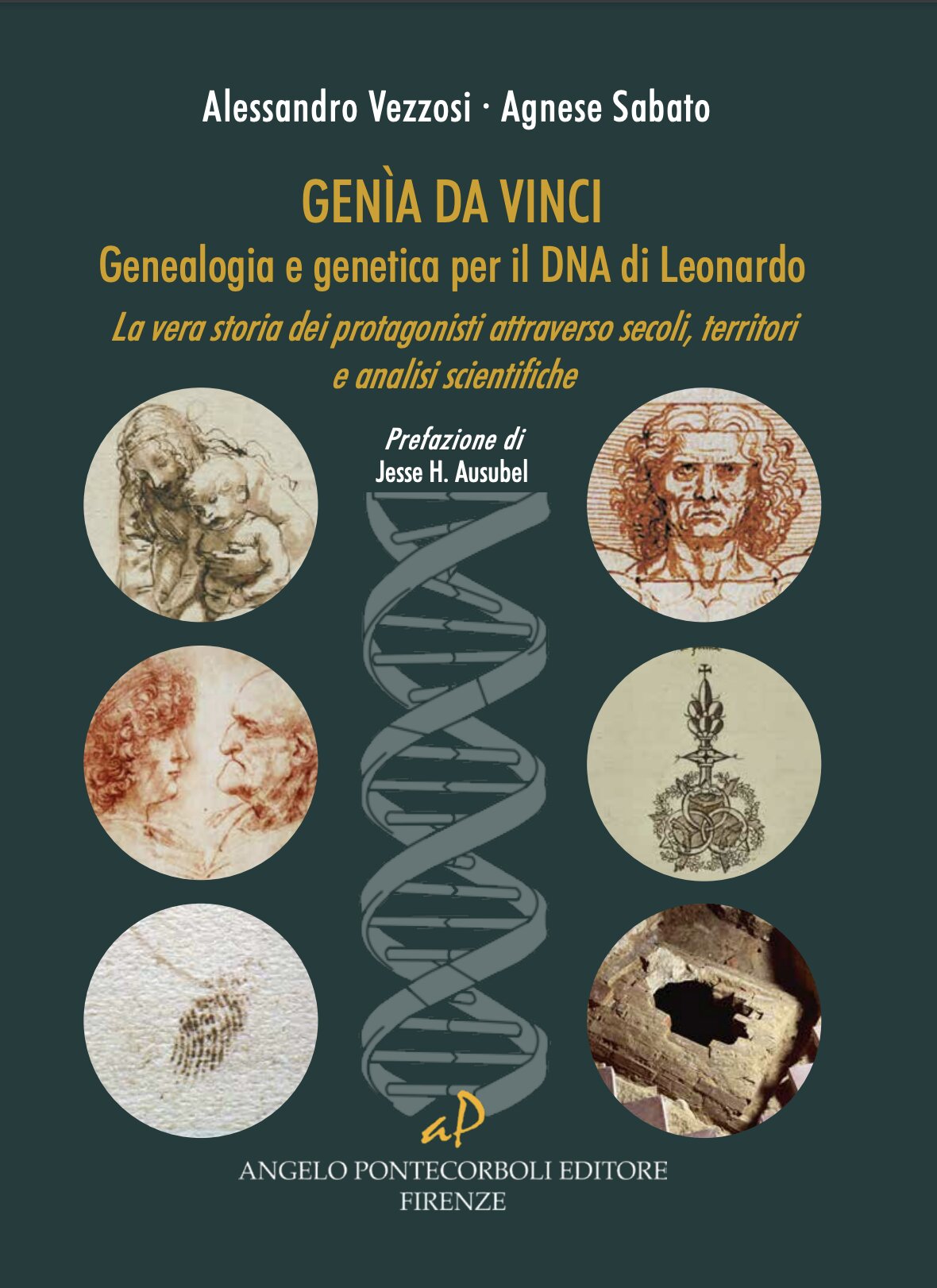
Researchers Confirm Leonardo da Vinci's Y Chromosome Shared by Six Living Descendants
An international research collaboration called the Leonardo DNA Project has made significant progress in studying Leonardo da Vinci's geneti
 phys.org·9mo ago
Canon Formation as Cultural Confession: A Critical Examination of Literary Lists
This article critically examines The Guardian's "100 Best Novels of All Time" list, arguing that such canon-forming exercises reveal more ab
 lareviewofbooks.org·13d ago
Comments
Sign in to join the conversation.
No comments yet. Be the first.