
























Cross-cultural study compares Gali Fakta and Harmony Square media literacy interventions in Indonesia and the US
By
Matthew Facciani
Summary
This article presents a cross-cultural study comparing two media literacy interventions—Gali Fakta and Harmony Square—in Indonesia and the United States. The research, conducted by Matthew Facciani and colleagues at Yale School of Public Health, examines how these interventions help people evaluate information and combat misinformation across different cultural contexts. The study was published in Humanities and Social Sciences Communications in 2026.
Source

 bskyCross-cultural study compares Gali Fakta and Harmony Square media literacy interventions in Indonesia and the USysph.yale.edu
Key quotes
· 3 pulledHis research examines how people form beliefs and evaluate information, with a focus on misinformation, media literacy, social networks, trust in science, and political polarization.
Matthew Facciani is an Associate Research Scientist at the Yale School of Public Health and an interdisciplinary social scientist with a background in neuroscience and psychology and a PhD in sociology.
Cross-cultural media literacy interventions: comparing Gali Fakta and Harmony Square in Indonesia and the United States.
You might also wanna read

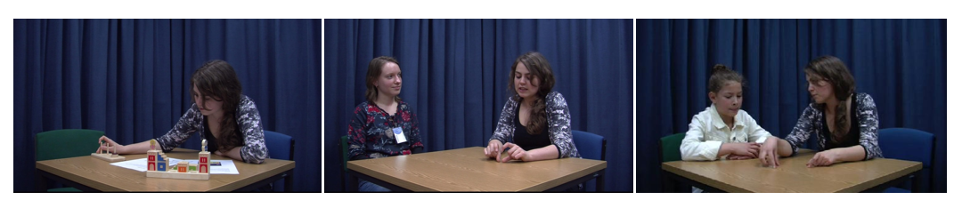
Study finds Italian and Dutch adults use similar teaching gestures when explaining concepts to children
A new study by researchers from the University of Catania and the Max Planck Institute for Psycholinguistics found that Italian and Dutch ad
 mpi.nl·1mo ago
Cultural Calibration in a multi-layered world
Indonesia prevé enseñar doctrinas anti-LGTBI en escuelas y universidades religiosas
America's Epistemic Crisis Extends Beyond Social Media
The article discusses America's epistemic crisis, highlighting the breakdown in collective agreement on basic facts, the spread of misinform
 asteriskmag.com·10mo ago
New Benchmark Evaluates LLM Understanding of Persian Taarof Cultural Norms
Researchers introduce TaarofBench, the first benchmark for evaluating large language models' understanding of Persian taarof - a sophisticat
 arxiv.org·9mo ago
How Japan's food culture and school programs contribute to dramatically lower obesity rates compared to the U.S.
This article compares obesity rates between the U.S. (40% of adults obese) and Japan (one-tenth of that), exploring the cultural and dietary
 ow.ly·17d ago
Comments
Sign in to join the conversation.
No comments yet. Be the first.