





















Master's Thesis: High-performance 2D Graphics Rendering on CPU Using Sparse Strips
By
PaulHoule

A baker's-dozen of insight crammed into one ring.
Summary
This is a master's thesis titled 'High-performance 2D graphics rendering on the CPU using sparse strips' by LaurenzV. The content appears to be a GitHub repository page showing the thesis document (main.pdf) along with GitHub platform navigation elements and promotional content about GitHub's AI coding tools and developer workflow features. The actual thesis content is not provided in the given text, only metadata about the repository and GitHub's platform features.
Key quotes
· 5 pulledWrite better code with AI
Automate any workflow
Find and fix vulnerabilities
Stop leaks before they start
Instant dev environments
You might also wanna read


Rendering Realistic Skies and Planetary Atmospheres in Real-Time with Shaders
This article explores the technical and visual process of rendering realistic skies, sunsets, and planetary atmospheres in real-time using b
 blog.maximeheckel.com·19d ago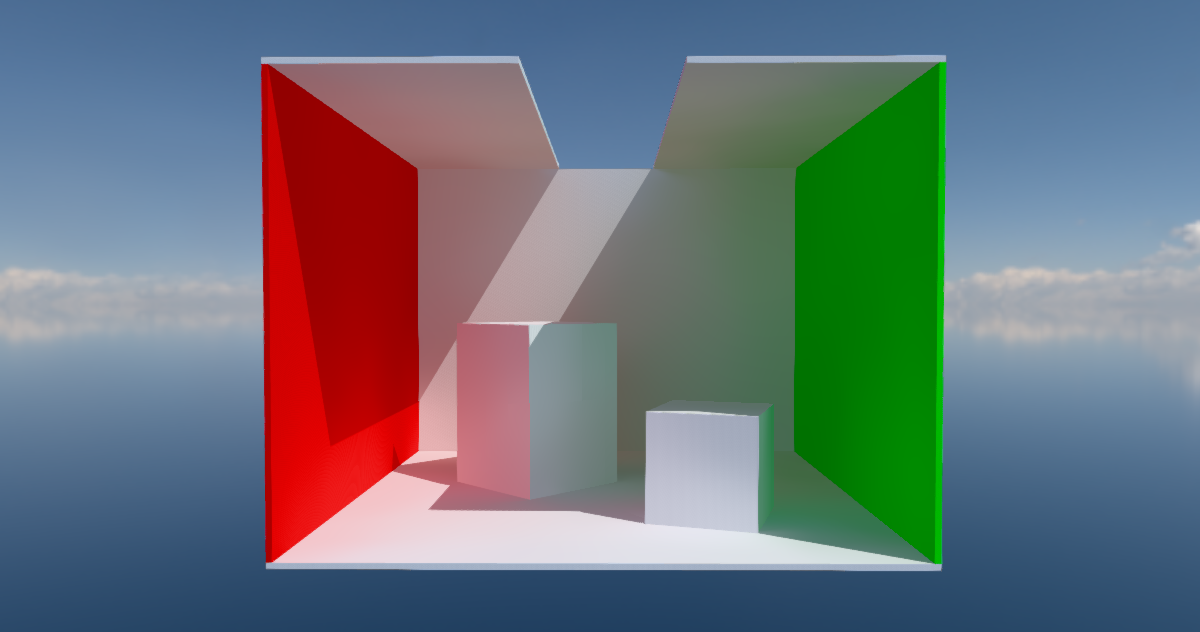
Exploring surfel-based global illumination with WebGPU on the open web
A technical blog post exploring the use of WebGPU to compute real-time global illumination using surfels (surface patches). The author inves
 juretriglav.si·22d ago
Implementing Colored Penumbra Shadow Effects in Unreal Engine 5
This article describes a technique for implementing "Colored Penumbra" or "Colored Shadow Terminator" effects in Unreal Engine 5. The author
 chosker.github.io·24d ago
Experimental WebGPU Physics Engine Using AVBD Solver for Rigid-Body and Soft-Body Simulations
This article presents an experimental WebGPU physics engine called webphysics that implements an AVBD-style (Augmented Vertex Block Descent)
 github.com·1mo ago
TrueType Font Contains 3D Raycasting Engine in Hinting Virtual Machine
A developer created a DOOM-style 3D raycasting engine that runs inside a TrueType font's hinting virtual machine. The project exploits the T
github.com·1mo ago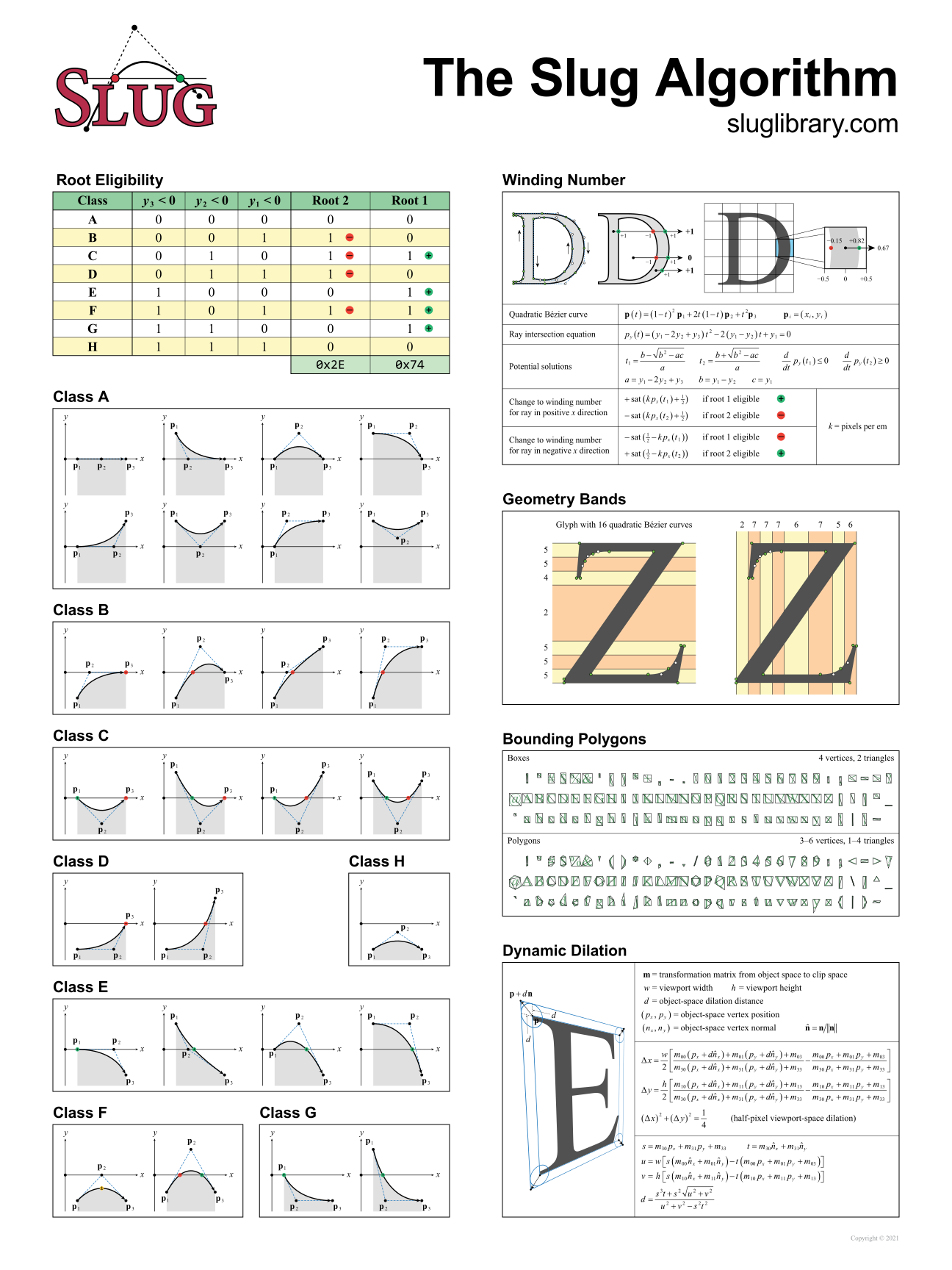
Slug Algorithm: 10 Years of GPU-Based Font Rendering Technology
Eric Lengyel reflects on the 10-year anniversary of the Slug Algorithm, a GPU-based font rendering technique he developed in 2016. The artic