
























Hiden Analytical develops radiation-hardened quadrupole mass analyser for nuclear fusion isotope detection
By
No Author
Summary
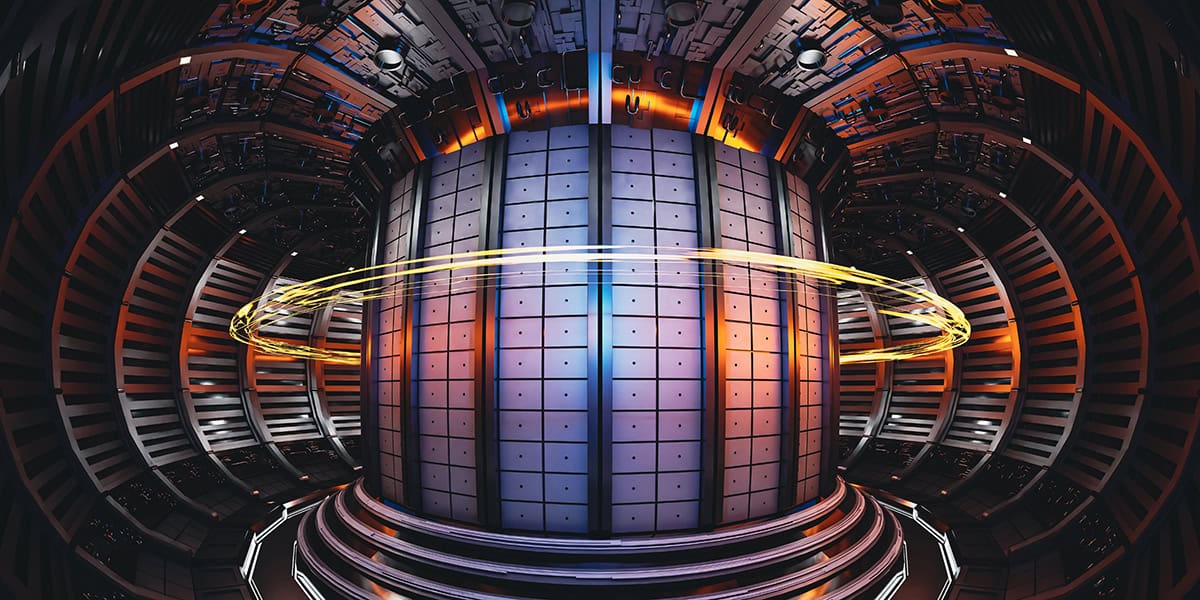
Hiden Analytical has developed a quadrupole mass analyser specifically designed for nuclear fusion research. The instrument combines radiation hardness with the ability to distinguish between light atomic species like hydrogen and helium isotopes involved in fusion reactions. The article explores the engineering challenges of fusion diagnostics, the technical specifications of the mass analyser, and its role in advancing experimental fusion energy research.
Source
 bskyHiden Analytical develops radiation-hardened quadrupole mass analyser for nuclear fusion isotope detectionphysicsworld.com
Key quotes
· 3 pulledNuclear fusion promises to deliver an abundant, safe and sustainable source of energy, but replicating the reactions that power the Sun remains a scientific and engineering challenge.
A quadrupole mass analyser designed for fusion research combines radiation hardness with the ability to distinguish between the light atomic species involved in the nuclear reaction.
The ability to resolve hydrogen and helium isotopes in a radiation-hardened package represents a significant step forward for fusion diagnostics.
You might also wanna read


Machine Learning Validates Unrecognized Transient Astronomical Phenomena in Historical Observatory Images
This research paper uses machine learning to validate the existence of previously unrecognized transient astronomical phenomena in historica
 arxiv.org·2mo ago
Quantum computers model nine fusion fuel material configurations for first time

Marathon Fusion Develops Scalable Gold Transmutation Method Using Fusion Reactors
Marathon Fusion has developed a scalable method for transmuting gold using fusion reactors, addressing the age-old challenge of alchemy. The
marathonfusion.com·11mo agoQ-Tech targets rad-hardened MCXOs at Space applications
Detecting neutron sources by borrowing inference tools from cosmology

VLT Study Reveals Dramatic Nickel Emission and CN Outgassing in Interstellar Comet 3I/ATLAS
Astronomers using the Very Large Telescope (VLT) have conducted spectroscopic observations of interstellar comet 3I/ATLAS (C/2025 N1) as it
arxiv.org·10mo ago
Comments
Sign in to join the conversation.
No comments yet. Be the first.