
























Chemical additive accelerates PLA plastic breakdown, enabling home composting
By
Bethany Halford
Summary
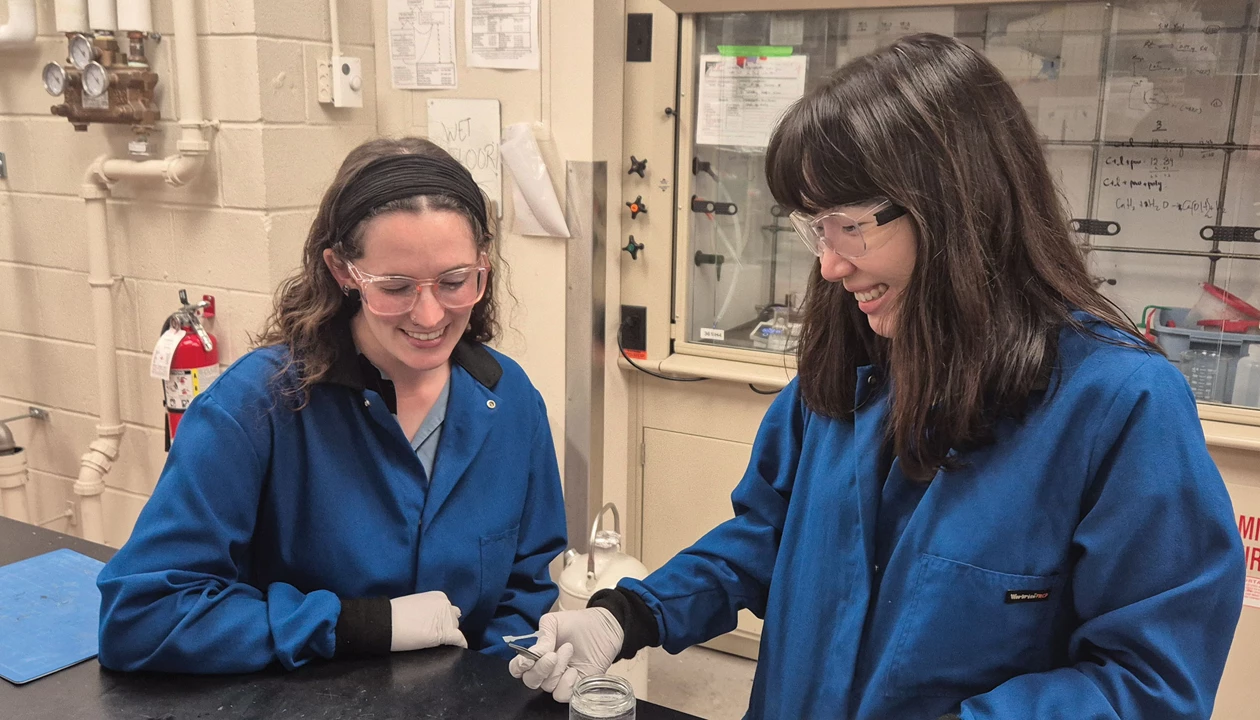
Researchers have developed a chemical additive called a "masked acid" that significantly speeds up the breakdown of polylactic acid (PLA), a popular biodegradable polymer. By incorporating small amounts of this anhydride additive into PLA, the material can be composted at home rather than requiring industrial composting facilities. This breakthrough could help address the problem of PLA plastics languishing in landfills or home composters because they don't break down effectively under typical home composting conditions.
Source
 bskyChemical additive accelerates PLA plastic breakdown, enabling home compostingcen.acs.org
Key quotes
· 2 pulledA tiny chemical additive could prove to be a big hero in the world of biodegradable polymers.
By incorporating small amounts of what they describe as a 'masked acid' into polylactic acid (PLA), a team of chemists and chemical engineers have found...
You might also wanna read

Biodegradable Packaging Film Made from Milk Protein Breaks Down in 13 Weeks
Researchers at Flinders University in South Australia have developed a biodegradable plastic alternative made from milk protein (calcium cas

Expert-Backed Tips for Reducing Microplastic Exposure at Home
This article discusses the pervasive presence of microplastics in everyday life — in air, water, food, and household products — and the emer
 everydayhealth.com·2d ago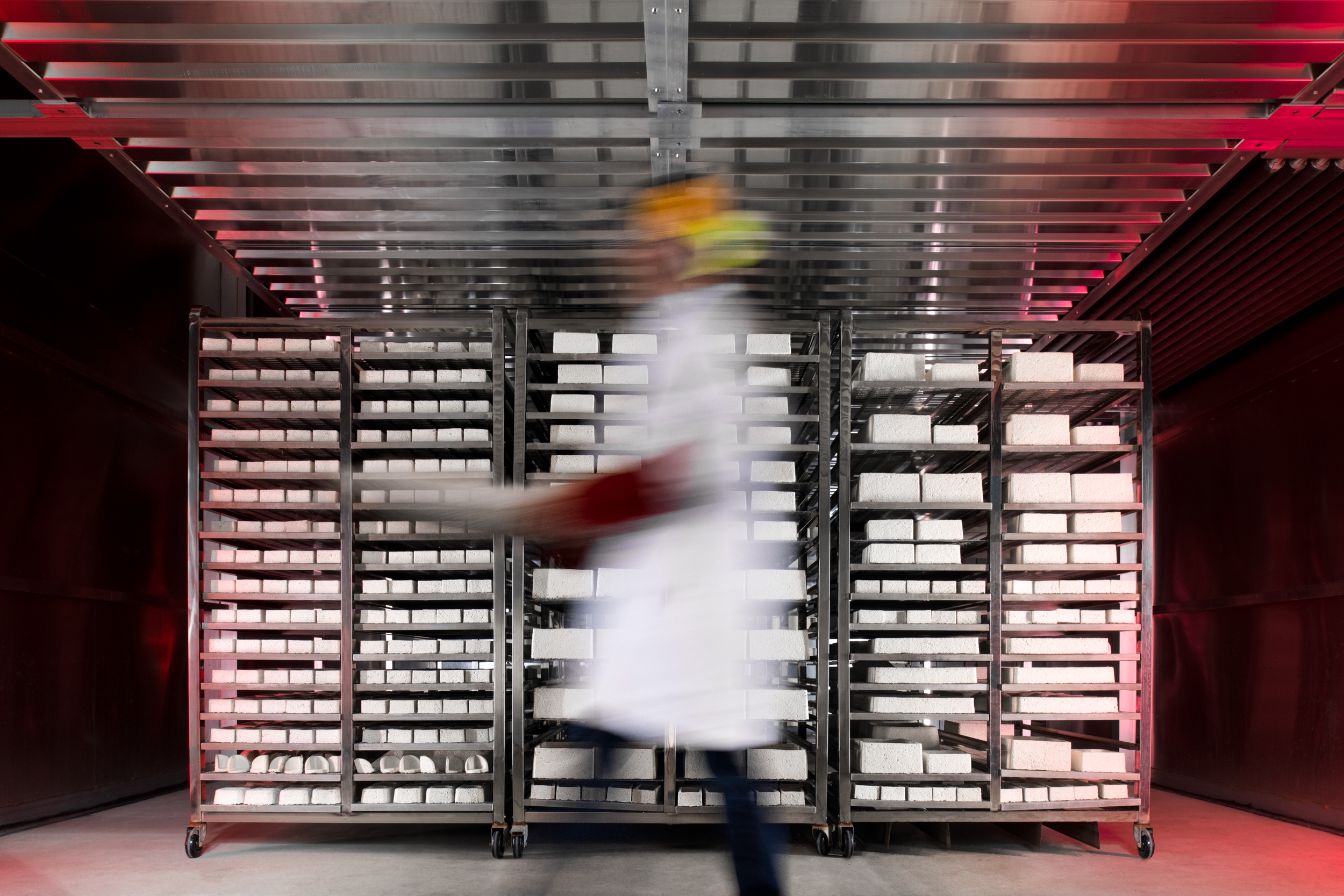
Mushroom Packaging: Sustainable Alternative to Plastic Using Mycelium Technology
The article introduces Mushroom® Packaging, a sustainable alternative to traditional plastic packaging made from expanded polystyrene (EPS).
 magicalmushroom.com·4mo ago
How to breathe in fewer microplastics in your home

Airborne Microplastics Spread Globally as Invisible Pollutant, Found in Human Bodies and Remote Locations
Airborne microplastics are spreading globally as invisible pollutants, found in skies above Mount Fuji, European rain, Arctic snow, and with
 asahi.com·7mo ago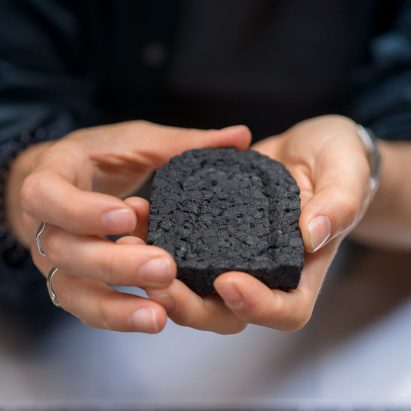
Carbon Cell Develops Carbon-Negative, Compostable Alternative to Polystyrene from Agricultural Waste
British company Carbon Cell has developed a carbon-negative, compostable alternative to polystyrene packaging and building insulation made f
 Dezeen·7mo ago
Comments
Sign in to join the conversation.
No comments yet. Be the first.