
























LBNL researchers use IBM Heron quantum processor to simulate quark binding process
By
Mohamed Abdel-Kareem
Summary
A research collaboration led by Lawrence Berkeley National Laboratory (LBNL) has successfully simulated hadronization—the quantum process where quarks bind via the strong nuclear force to form composite particles like protons and neutrons—on IBM's Heron quantum processor using 104 qubits. Led by LBNL research scientist Anthony Ciavarella, the work demonstrates a practical application of quantum computing to fundamental particle physics problems that are intractable for classical computers.
Source

 bskyLBNL researchers use IBM Heron quantum processor to simulate quark binding processiq.fp2.dev
Key quotes
· 2 pulledA research collaboration led by the Lawrence Berkeley National Laboratory (LBNL) has successfully simulated hadronization—the fundamental particle physics process where quarks bind via the strong nuclear force to create composite hadrons like protons and neutrons—on a physical quantum processor.
Executed by LBNL research scientist Anthony Ciavarella and publ
You might also wanna read

Demonstration of Algorithmic Quantum Speedup for an Abelian Hidden Subgroup Problem
journals.aps.org·1y ago
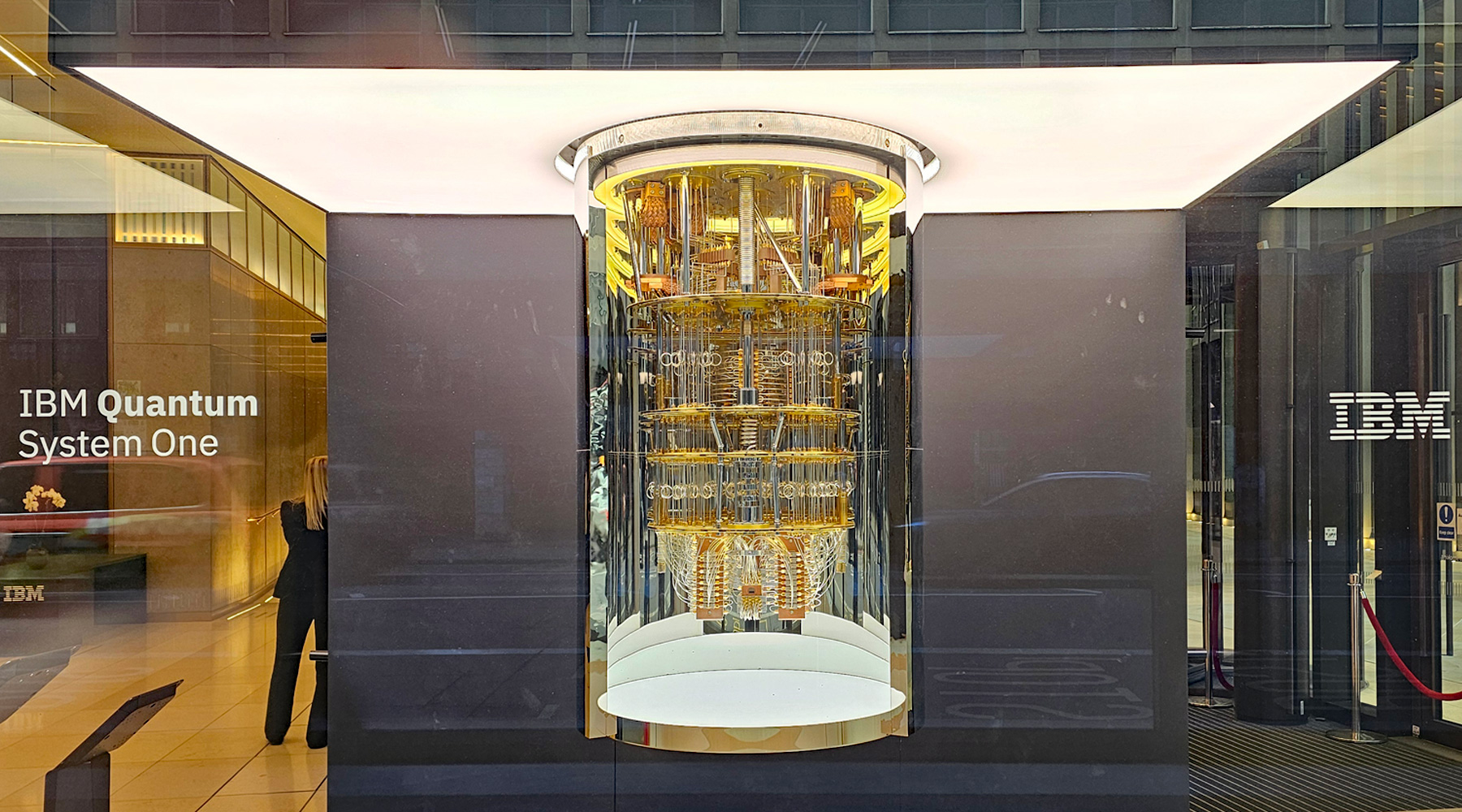
IBM's Quantum System One: First Commercial Quantum Computer on Display in Waterloo Office
The article describes IBM's Quantum System One, the first circuit-based commercial quantum computer launched in January 2019, which is on di

Researchers build million-p-bit probabilistic computer by networking FPGAs, breaking single-chip limit
Researchers have built a programmable probabilistic computer using networked FPGAs that achieves one million p-bits (probabilistic bits), br
 arxiv.org·6d ago
Quantum computing's hype problem: No useful task performed yet despite government and corporate promises
A critical analysis of the current state of quantum computing, arguing that despite bold promises from the Trump administration (aiming for
 theverge.com·4d ago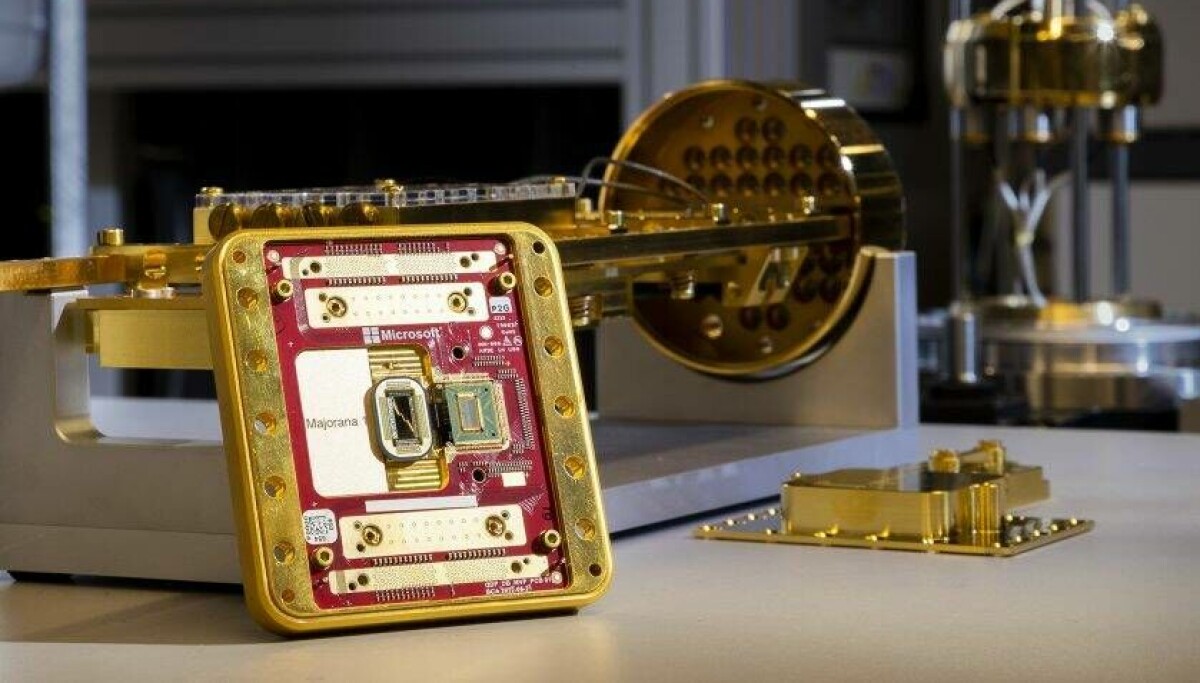
Nature-published critique challenges Microsoft's Majorana quantum computing breakthrough, citing data errors
A peer-reviewed critique published in Nature challenges Microsoft's February 2025 claims of a quantum computing breakthrough involving Major
 theregister.com·10d ago
Nature-published critique challenges Microsoft's Majorana quantum computing breakthrough, citing data errors
A peer-reviewed critique published in Nature challenges Microsoft's February 2025 claims of a quantum computing breakthrough involving Major
theregister.com·10d ago
Comments
Sign in to join the conversation.
No comments yet. Be the first.