
























Queering Primate Research: How Bias Shapes the Study of Same-Sex Behavior in Bonobos and Other Great Apes
By
Kirsty E. Graham
Summary
This review article examines the historical and scientific treatment of same-sex sexual behavior (SSSB) in nonhuman great apes, particularly bonobos. The authors critique how SSSB in female bonobos has often been dismissed as "greeting behavior" or "affiliation" rather than recognized as sexual, while similar behavior in male chimpanzees is more readily labeled as sexual. They argue this differential treatment reflects anthropocentric biases and propose queering the research approach to expand understanding of both same-sex and mixed-sex sexual behaviors across species.
Source

 bskyQueering Primate Research: How Bias Shapes the Study of Same-Sex Behavior in Bonobos and Other Great Apesonlinelibrary.wiley.com
Key quotes
· 3 pulledWe outline historical interpretations of same-sex sexual behavior in bonobos and propose ways of queering this research that expand the study of both same-sex and mixed-sex sexual behavior among nonhuman great apes.
The differential treatment of sexual behavior among nonhuman great apes reveals deep-seated anthropocentric biases in primatology.
By queering our approach, we can move beyond simplistic categorizations and better understand the full spectrum of sexual behaviors in our closest relatives.
You might also wanna read

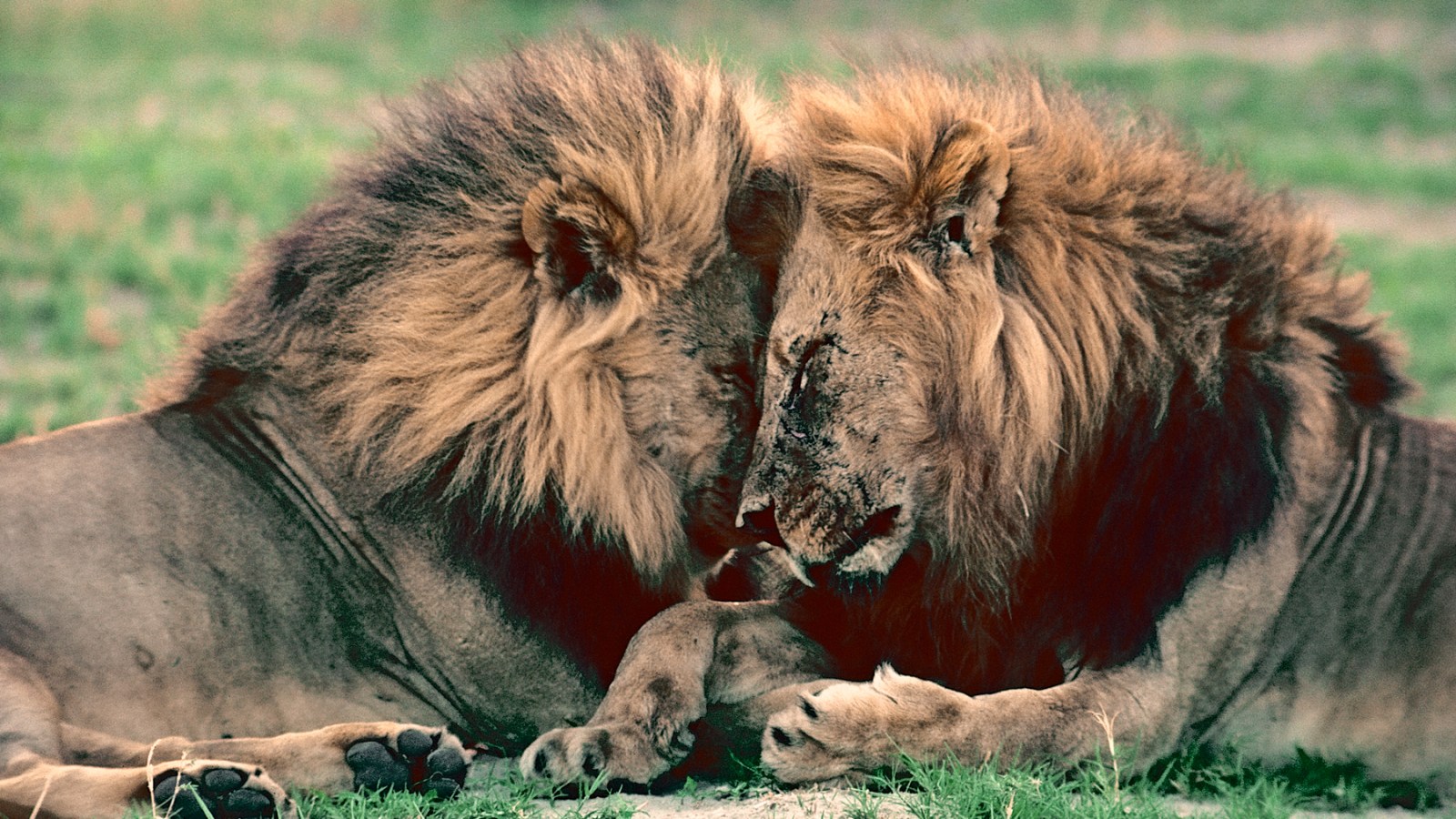
How Misconceptions About Animal Sexuality Distort Our Understanding of Nature
The article explores how human misconceptions about animal sexuality have shaped our understanding of the natural world. It discusses a new
 Rolling Stone·3d ago
Evidence of the bouba-kiki effect in naïve baby chicks
Chimpanzees Are into Crystals
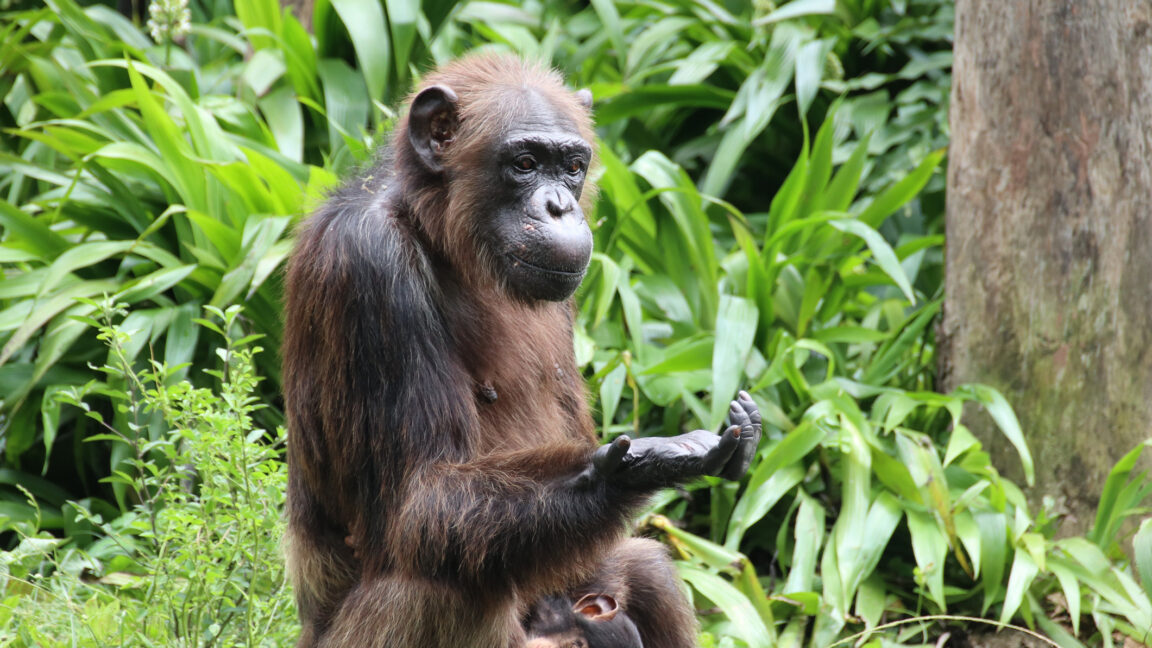
Chimpanzee cognitive study shows ability to process conflicting evidence and change decisions
The article describes a scientific study on chimpanzee cognition where researchers tested how chimps process conflicting evidence. In the ex
 arstechnica.com·7mo ago
Interview: Evolutionary Psychology, Sex Differences, and the Nature-Nurture Debate
An interview with the author of "A Billion Years of Sex Differences" discussing evolutionary psychology, the interplay of nature and nurture
 stevestewartwilliams.com·2d ago
Object personification in autism: This paper will be sad if you don't read
Comments
Sign in to join the conversation.
No comments yet. Be the first.