

























CD Projekt Red CEO: Fully AI-generated games are coming, but questions if that's the right path
By
Kaan Serin
Summary
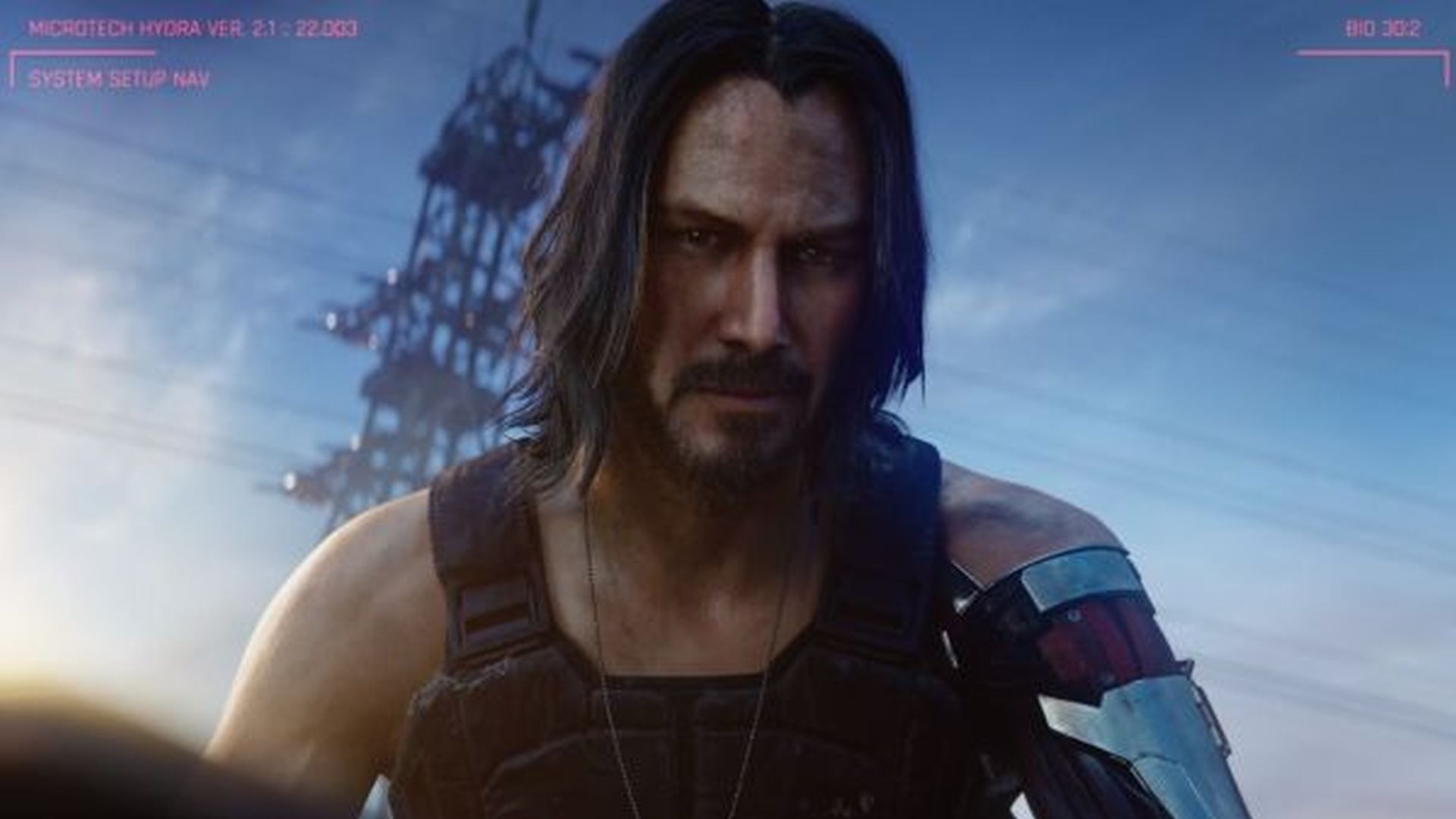
CD Projekt Red's joint CEO Michał Nowakowski acknowledges that fully AI-generated games are on the horizon, having spoken with studios that operate primarily using generative AI. However, he expresses skepticism about whether this approach is the right path for game development, suggesting that AI-generated content may lack the human touch and quality that defines great games like The Witcher and Cyberpunk 2077.
Source
 bskyCD Projekt Red CEO: Fully AI-generated games are coming, but questions if that's the right pathgamesradar.com
Key quotes
· 2 pulledI know for a fact that games 'made' entirely with generative AI are coming
I was in a conversation with a person who started a studio and was telling me: 'I'm running a primarily AI-based studio. I can have 40 prot
You might also wanna read

CD Projekt RED Adopts 'Console-First' Strategy for The Witcher 4 Development
CD Projekt RED is developing The Witcher 4 with a 'console-first' approach to avoid launch issues, using Unreal Engine 5 instead of REDengin
polygon·1y ago

Larian Studios Clarifies: No Generative AI for Concept Art or Writing in Divinity Game
Larian Studios, the developer behind Baldur's Gate 3, has clarified its stance on generative AI usage following controversy. CEO Swen Vincke
 The Verge·5mo ago
AI Tools Prominent at GDC Gaming Conference, But Developers Resist Using AI in Games
The article reports on the prevalence of AI tools and discussions at the GDC Festival of Gaming, where vendors showcased generative AI for g
The Verge·3mo ago
Survey: 52% of Game Developers View Generative AI as Negative for Industry
A new survey from the Game Developers Conference reveals that 52% of game developers believe generative AI is having a negative impact on th
The Verge·4mo ago
The Limitations of Generative AI for Creating Video Game Worlds
The article examines the limitations of generative AI in creating compelling video game worlds, contrasting it with traditional procedural g
The Verge·4mo ago
The Missing AI Gaming Revolution: Why AI Hasn't Transformed Gameplay Experiences
The article explores why AI hasn't led to significant new game experiences despite its widespread adoption in game development. The author e
 franklantz.substack.com·3mo ago