
























Japan's $74 billion yen intervention faces uphill battle against Fed-driven rate differentials
By
Lee Ying Shan
Summary
Japan spent $74 billion on yen intervention to prop up its currency, but analysts say the real driver of yen weakness is the U.S. Federal Reserve's restrictive monetary policy and wide interest rate differentials between the U.S. and Japan. The yen has hit a 40-year low against the dollar, falling about 3.9% this year, while remaining more stable against the euro. Markets view the Bank of Japan as lagging behind other central banks, complicating the effectiveness of unilateral intervention.
Source

 bskyJapan's $74 billion yen intervention faces uphill battle against Fed-driven rate differentialscnbc.com
Key quotes
· 2 pulledIf we look at the yen-euro, for example, it is more stable
Markets still view the BOJ as lagging behind other central banks
You might also wanna read
Yen May Fall to 170 Per Dollar This Year on Fiscal Expansion, BOJ Delay

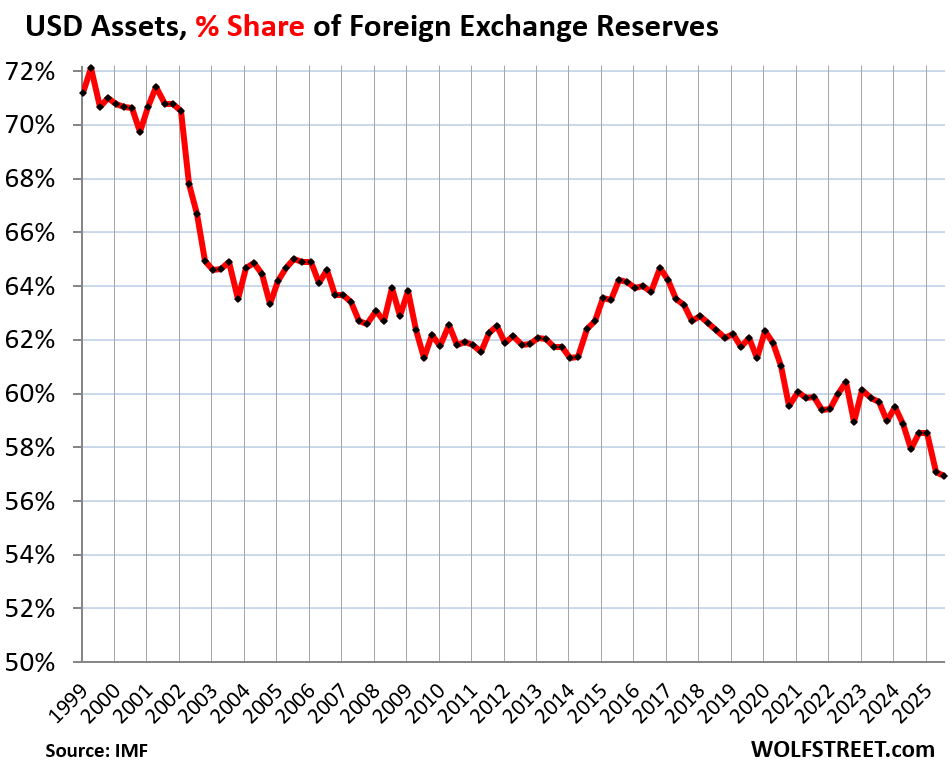
US Dollar Share of Global Central Bank Reserves Falls to Lowest Level Since 1994
The US dollar's share of global foreign exchange reserves held by central banks has dropped to 56.9% in Q3, the lowest level since 1994, acc
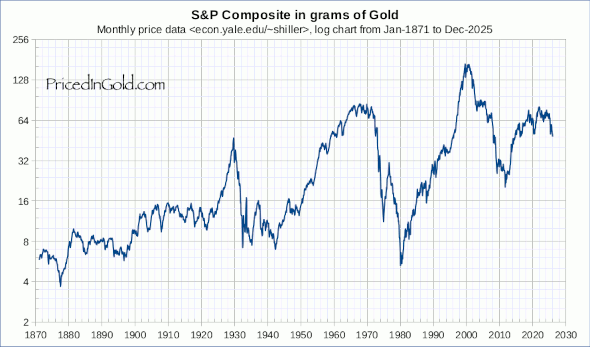
Analysis: US Stock Market Recovery Since 2009 Driven by Dollar Debasement, Not Economic Strength
The article argues that while US stocks have recovered in dollar terms since the 2009 bottom, this apparent recovery is largely due to Feder

Analysis: Market Volatility Linked to Japanese Yen Carry Trade Unwind
The article argues that recent market volatility in stocks, cryptocurrencies, and precious metals is not due to conventional explanations li
Comments
Sign in to join the conversation.
No comments yet. Be the first.