
























Analysis: US Stock Market Recovery Since 2009 Driven by Dollar Debasement, Not Economic Strength
US Stocks reached their peak in 1999, and have clearly been in a bear market since 2001. From a high of 168 grams, they have fallen to the 20-25 level, a drop of 85%.
Read the full articleYou might also wanna read


A warning for the U.S. dollar: The historic bond-market buffer that protected the currency is fading.
Major dislocations in America’s foreign policy have given a stimulus to a dedollarization trend among central banks.

Bitcoin falls with gold and silver as Fed hawkishness unwinds the 'debasement trade'
Bitcoin has long been lumped in with precious metals as a hedge against a weakening dollar. That trade is unwinding on a hawkish Fed, and bi
 coindesk.com·19d ago
British Pound pulls back as solid US data revives the Greenback
The Pound Sterling trims some of its Wednesday gains versus the US Dollar, down by over 0.48% following solid US data. The sell-off comes am

British Pound Pulls Back as Solid US Data Revives the Greenback
BitcoinWorld British Pound Pulls Back as Solid US Data Revives the Greenback The British Pound (GBP) retreated against the US Dollar (USD) o
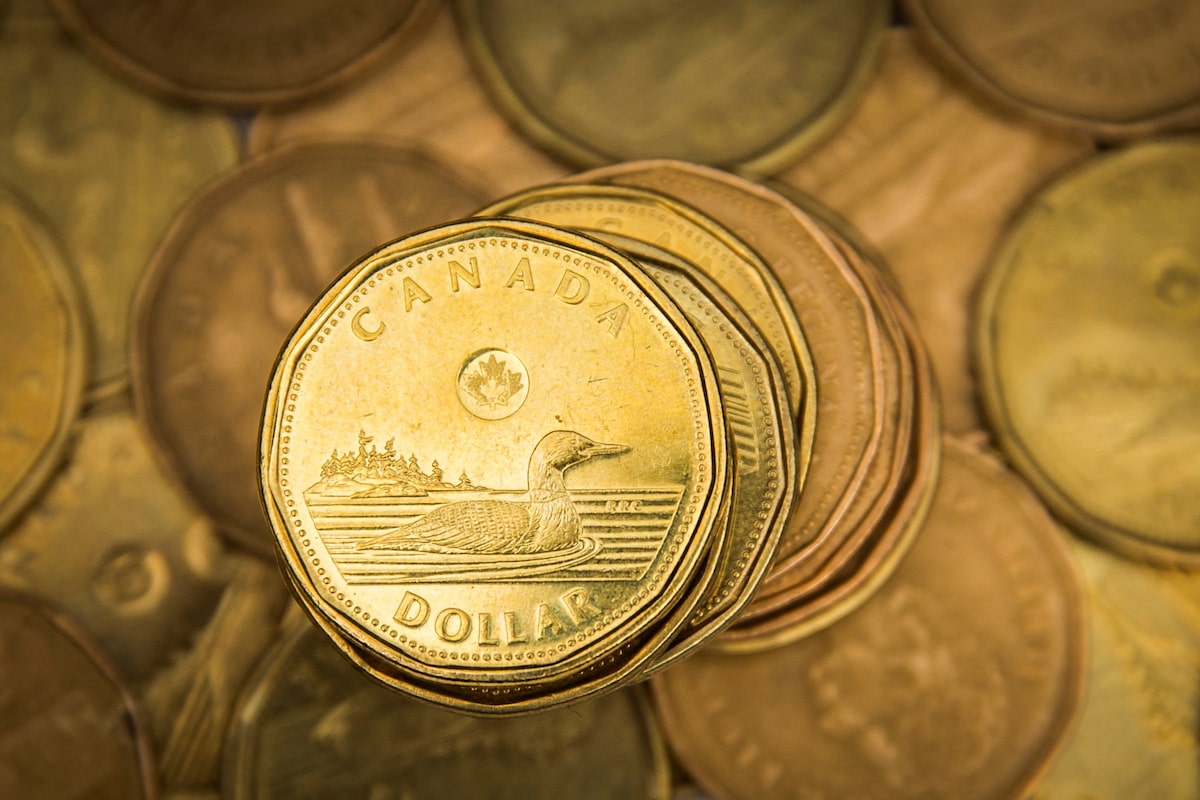
Canadian dollar falls to lowest level in over a year amid U.S. dollar strength and Fed hawkishness
Of late, the currency’s weakness is largely a story of U.S. dollar strength
 theglobeandmail.com·22d ago
Gold Rebounds Above $4,100 as Falling Oil Prices Weigh on US Dollar
BitcoinWorld Gold Rebounds Above $4,100 as Falling Oil Prices Weigh on US Dollar Gold prices staged a notable recovery on Tuesday, climbing
Comments
Sign in to join the conversation.
No comments yet. Be the first.