
























James Webb telescope creates largest-ever map of the cosmic web, revealing galaxy evolution over 13 billion years
By
Ivan Farkas
Summary
Astronomers using the James Webb Space Telescope have created the largest-ever map of the universe, reconstructing the cosmic web in unprecedented detail. The map reveals how galaxies have evolved over 13 billion years and how they cluster within the cosmic web — the universe's largest known structure, composed of gas filaments, stars, voids, and dark matter.
Source

 bskyJames Webb telescope creates largest-ever map of the cosmic web, revealing galaxy evolution over 13 billion yearslivescience.com
Key quotes
· 3 pulledAstronomers have reconstructed the 'skeleton' of the cosmos in unprecedented detail, thanks to the largest-ever survey conducted by the James Webb Space Telescope (JWST).
The resulting map reveals how galaxies have evolved since the universe's infancy around 13 billion years ago and how they fall together in a vast structure called the cosmic web.
The cosmic web is the largest known structure in existence, home to countless galaxy clusters and clusters of clusters.
You might also wanna read

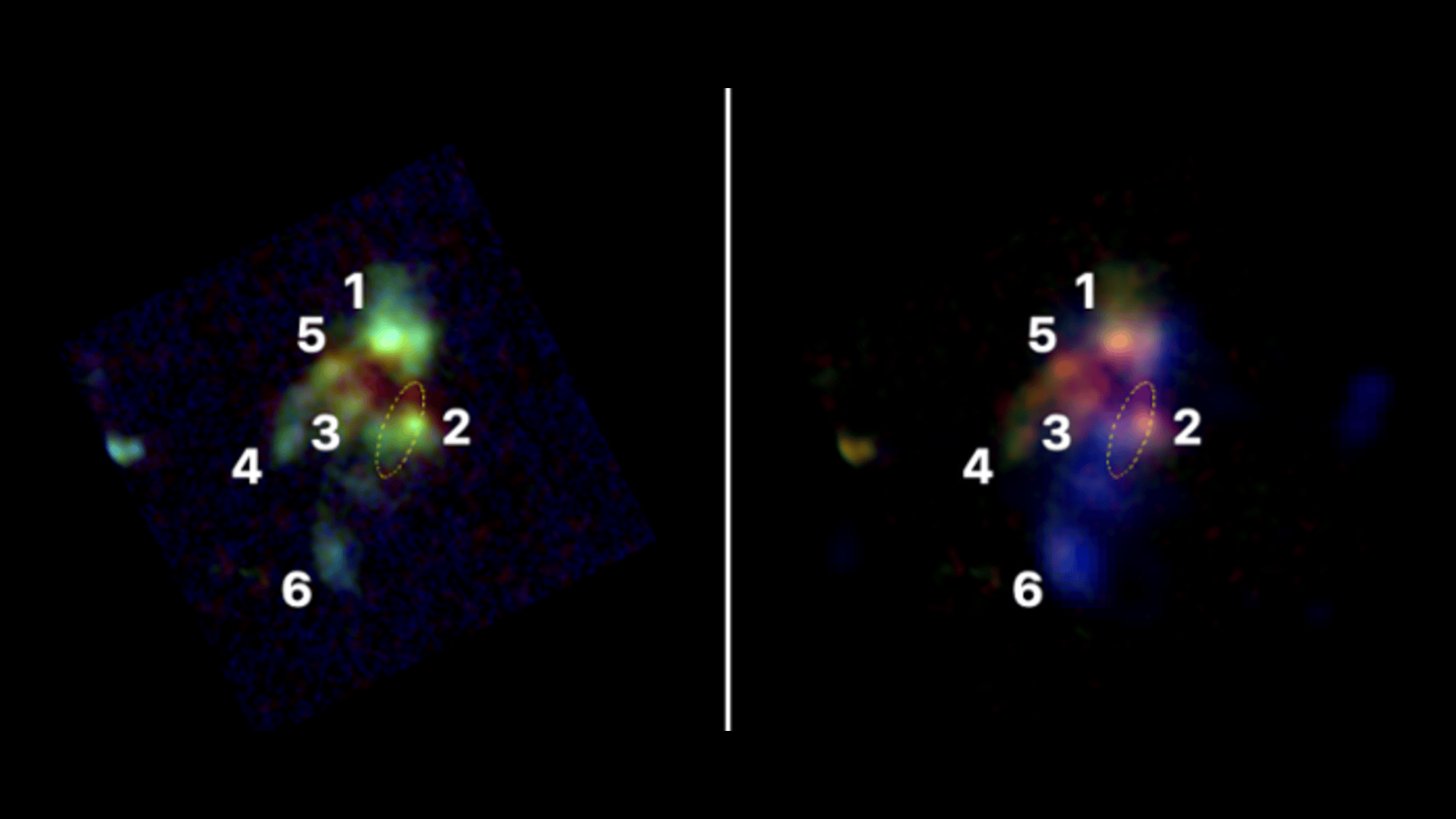
James Webb Space Telescope discovers six galaxies merging into a massive early-universe galaxy
The James Webb Space Telescope has discovered at least six galaxies merging in the early universe, a collision that is expected to fuel the
 space.com·10d ago
James Webb Space Telescope discovers six galaxies merging into a massive early-universe galaxy
The James Webb Space Telescope has discovered at least six galaxies merging in the early universe, a collision that is expected to fuel the
space.com·10d ago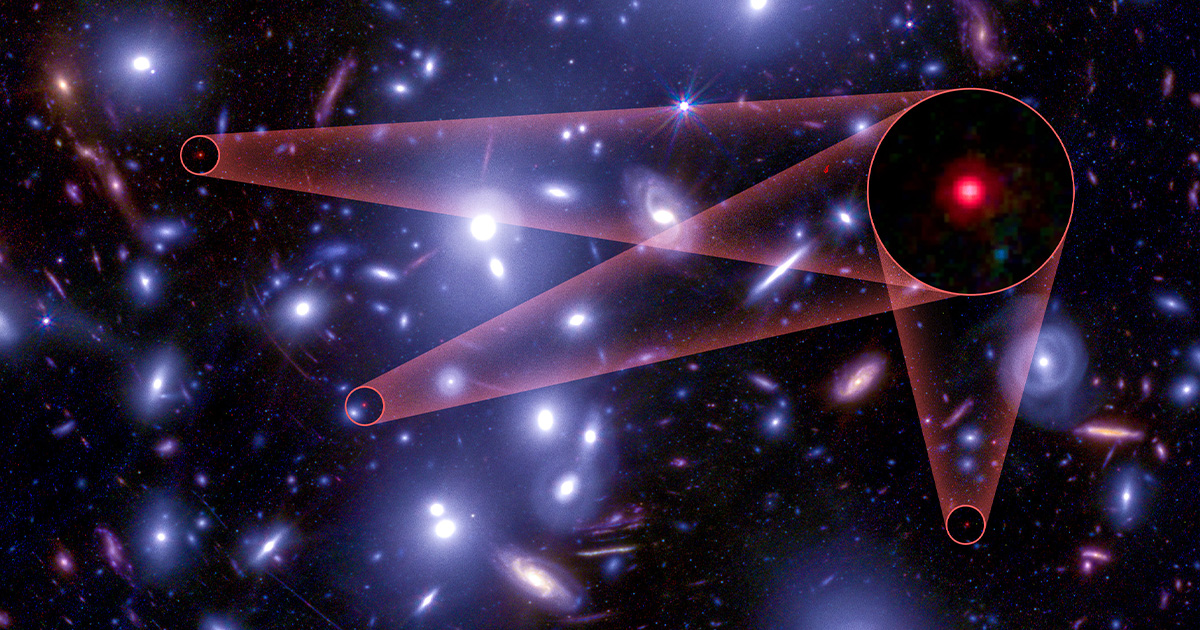
James Webb Telescope Discovers Massive Isolated Black Hole in Early Universe
The James Webb Space Telescope has discovered an enormous 'naked' black hole in the early universe that weighs 50 million solar masses and a
 quantamagazine.org·9mo ago
Hubble telescope spots 'impossible' light from a galaxy that shouldn't have been visible
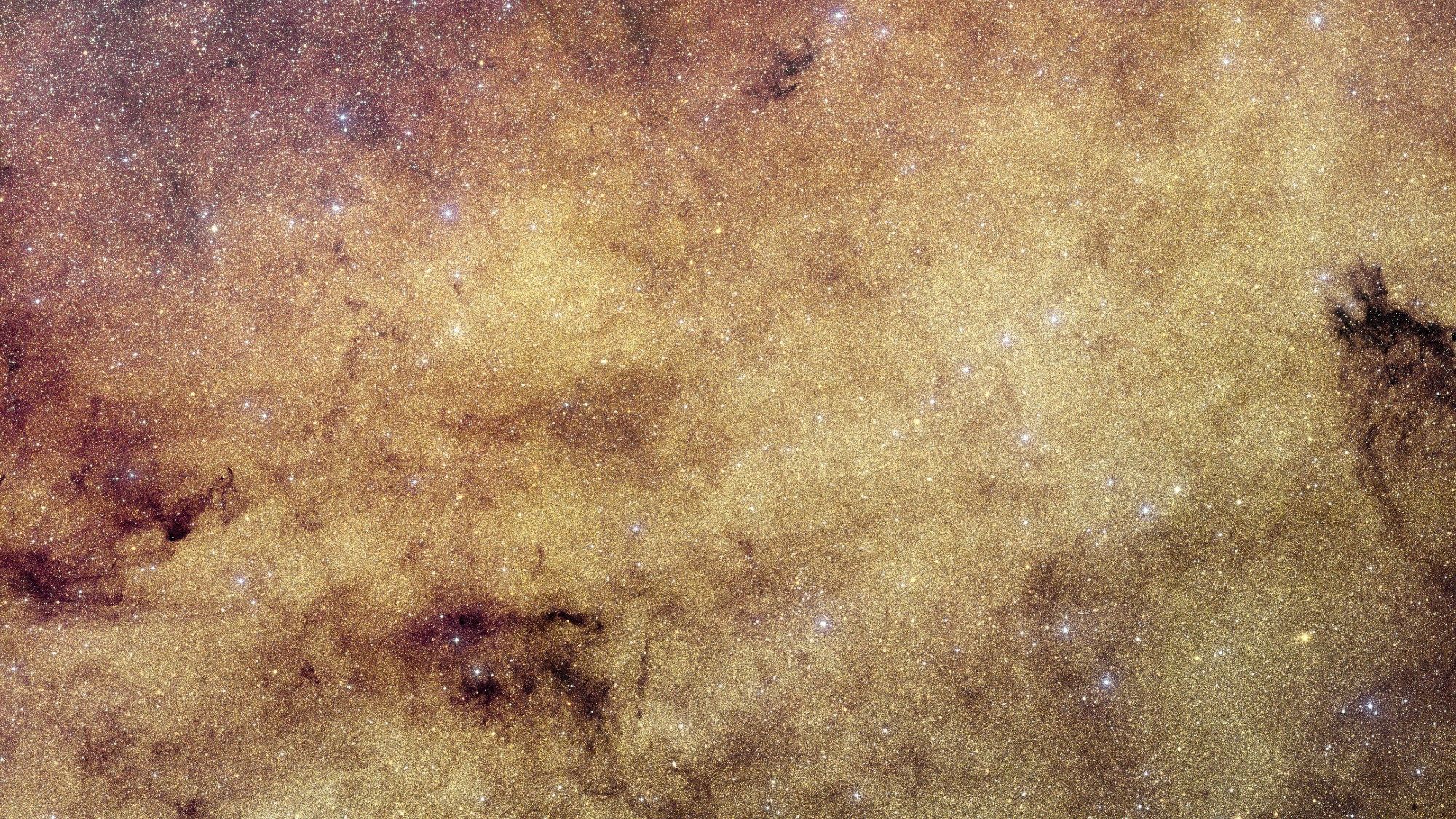
ESA's Euclid telescope captures largest, most detailed visible-light image of Milky Way's center with over 60 million stars
The European Space Agency's Euclid space telescope captured the largest and most detailed visible-light image of the Milky Way's center ever
 space.com·11d ago
ESA's Euclid telescope captures largest, most detailed visible-light image of Milky Way's center with over 60 million stars
The European Space Agency's Euclid space telescope captured the largest and most detailed visible-light image of the Milky Way's center ever
space.com·11d ago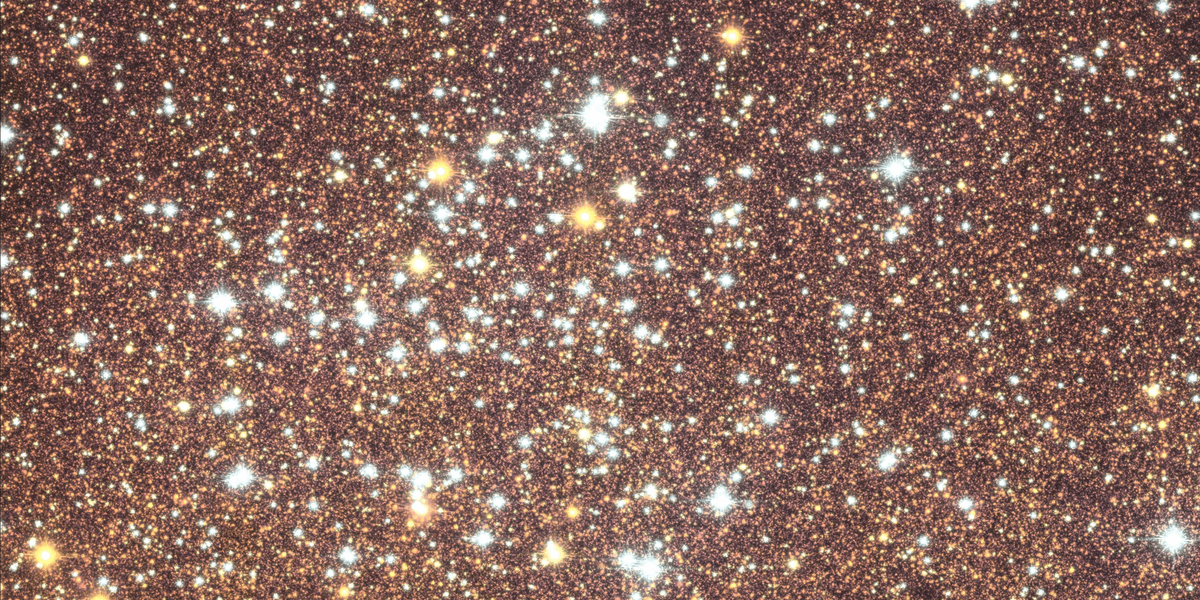
Euclid telescope captures most detailed visible-light image of Milky Way's centre, revealing 60 million stars
The European Space Agency's Euclid space telescope, originally designed to study dark energy and dark matter, has captured the most detailed
 gbnews.com·11d ago
James Webb Space Telescope Captures First Direct Image of Exoplanet
The James Webb Space Telescope has captured its first direct image discovery of an exoplanet by identifying the infrared light of a likely p
smithsonianmag.com·1y ago
Comments
Sign in to join the conversation.
No comments yet. Be the first.