
























Apple's Stolen Device Protection feature sharply reduces iPhone theft resales in London
By
Oliver Haslam
Summary
Apple's Stolen Device Protection feature, introduced in iOS 17.3, has significantly reduced the number of stolen iPhones being reactivated and resold in London. The feature requires biometric authentication (Face ID or Touch ID) plus a passcode for sensitive actions like erasing or reactivating a device, making stolen iPhones much harder to sell. London police data shows a sharp decline in reactivated stolen iPhones, suggesting the security measure is effectively deterring thieves and reducing iPhone thefts.
Source
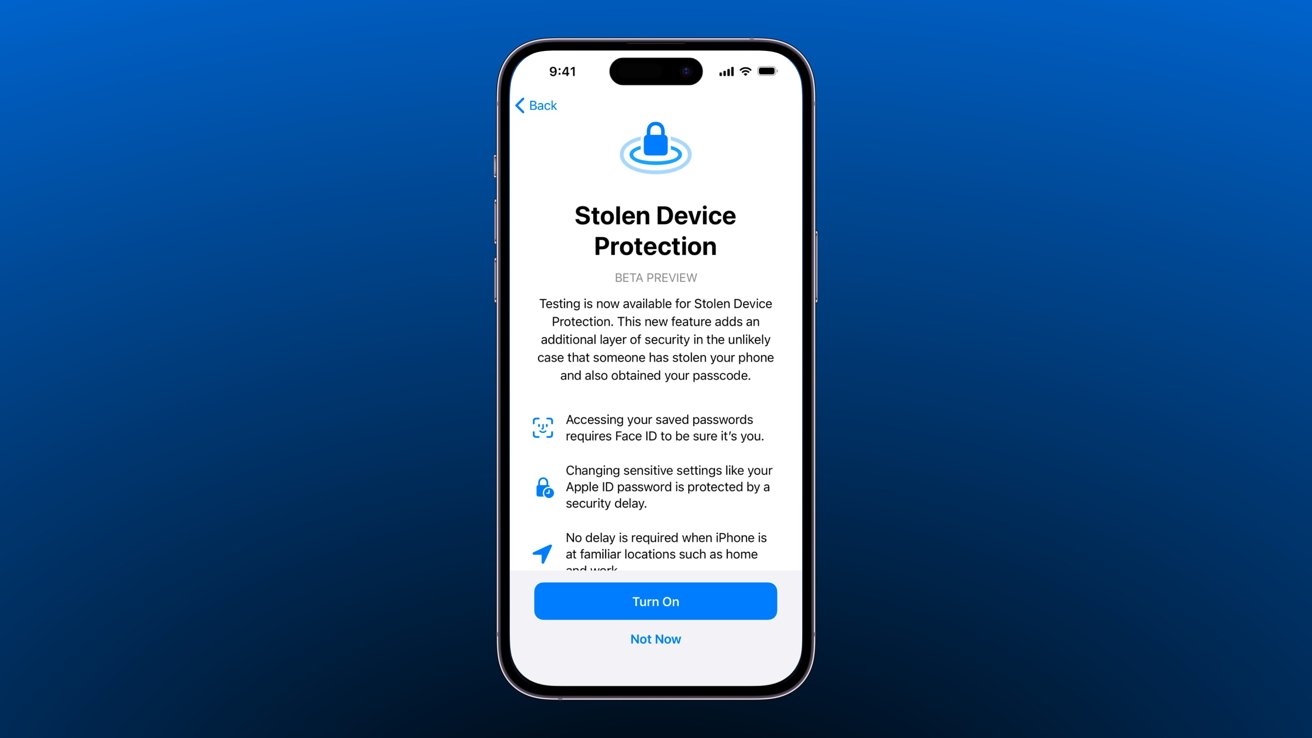
 bskyApple's Stolen Device Protection feature sharply reduces iPhone theft resales in Londonappleinsider.com
Key quotes
· 3 pulledApple's Stolen Device Protection is getting the job done
The number of iPhones stolen in London that have been reactivated by thieves has plummeted in recent weeks
preventing them from being sold and, hopefully, making iPhones less likely to be stolen in the future
You might also wanna read


Apple Finally Brings Theft and Loss Protection to Your iPad and Apple Watch

FBI Couldn’t Get into WaPo Reporter’s iPhone Because It Had Lockdown Mode Enabled
 404media.co·5mo ago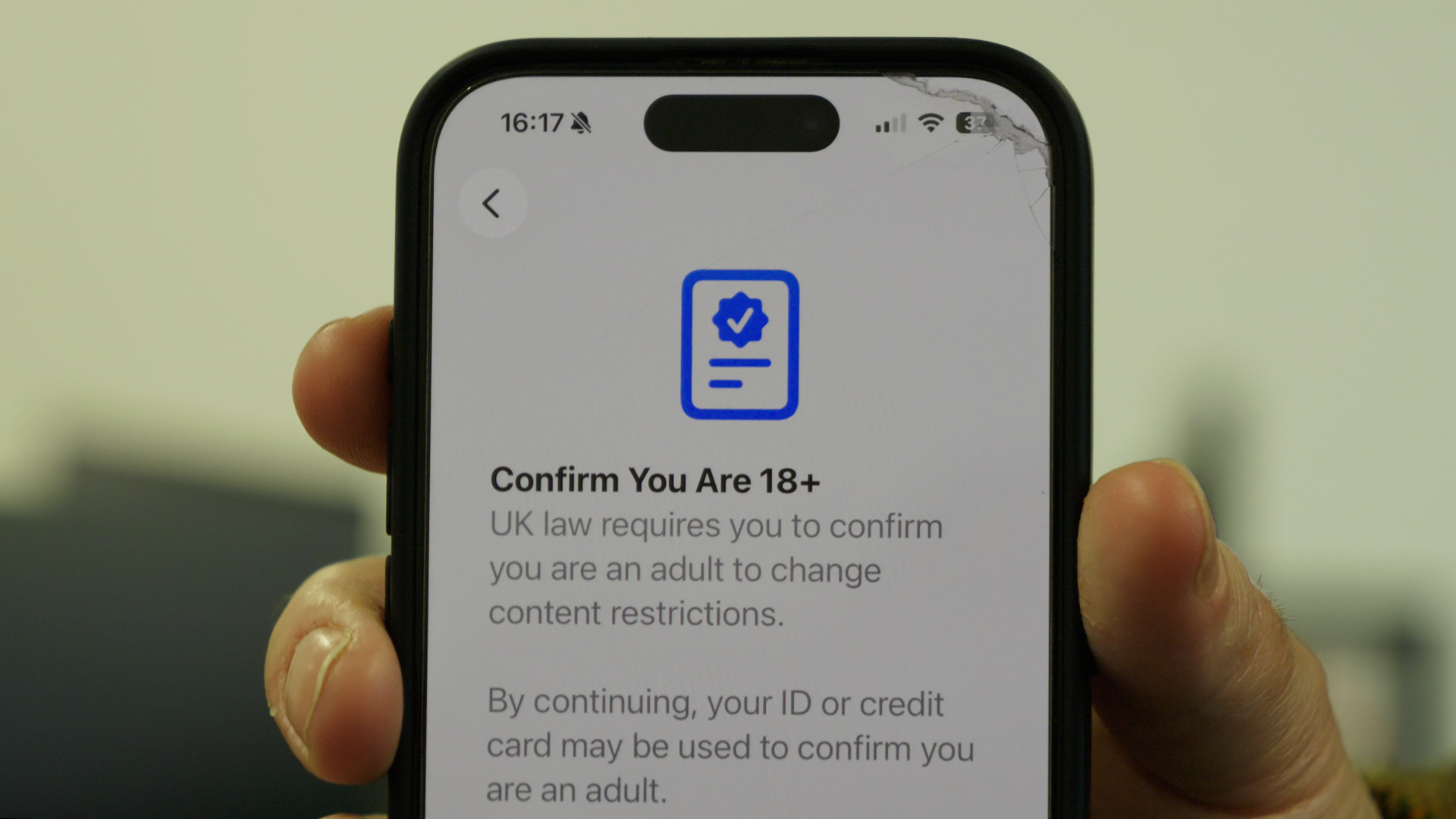
Apple's iOS 26.4 Update Introduces Mandatory Age Verification for UK iPhone Users
Apple's iOS 26.4 update introduces mandatory age and identity verification at the operating system level for iPhone users in the UK, requiri
 bigbrotherwatch.org.uk·2mo ago
Federal Raid Authorization Reveals Biometric Security Vulnerabilities in Smartphones
The article discusses how a federal raid on a Washington Post reporter's home included authorization for law enforcement to forcibly use bio
 theintercept.com·5mo ago
Your next upgrade deserves an upgrade

How iCloud Keychain escrow security protects user data recovery
Apple's iCloud Keychain uses a secure escrow infrastructure backed by hardware security modules (HSMs) to protect user keychain data. Recove
 support.apple.com·2mo ago
Comments
Sign in to join the conversation.
No comments yet. Be the first.