





















Federal Raid Authorization Reveals Biometric Security Vulnerabilities in Smartphones
By
qingcharles

A baker's-dozen of insight crammed into one ring.
Summary
The article discusses how a federal raid on a Washington Post reporter's home included authorization for law enforcement to forcibly use biometric authentication (face and fingerprint) to unlock her phone. This case serves as a warning about the legal vulnerabilities of biometric security on smartphones, as courts can authorize law enforcement to bypass these protections without consent. The article highlights the tension between convenience and security in biometric authentication systems.
Key quotes
· 4 pulledIncluded in the search and seizure warrant for the raid on Natanson's home is a section titled 'Biometric Unlock,' which explicitly authorized law enforcement personnel to obtain Natanson's phone and both hold the device in front of her face and to forcibly use her fingers to unlock it.
In other words, a judge gave the FBI permission to attempt to bypass biometrics: the convenient shortcut that many of us use to unlock our phones every day.
The raid on Natanson's home isn't merely an attack by the Trump administration on the free press. It's also a warning to anyone with a smartphone.
This case shows that biometric authentication, while convenient, may offer less legal protection than traditional passwords or PINs in certain law enforcement scenarios.
You might also wanna read


Biometric technology: Balancing convenience with security and privacy risks
This article examines the growing integration of biometric technology into daily life, covering both physiological (fingerprints, faces, iri
 theconversation.com·21h ago
Biometric technology: Convenience vs. security risks in fingerprint, facial, and gait recognition
This article examines the growing integration of biometric technology into daily life, covering both physiological (fingerprints, faces, iri
share.google·4d ago
Privacy experts raise concerns over proposed US access to Australians' biometric data
The article discusses concerns over a proposal that could allow US agencies, particularly ICE, to access Australians' personal and biometric
 sbs.com.au·23h ago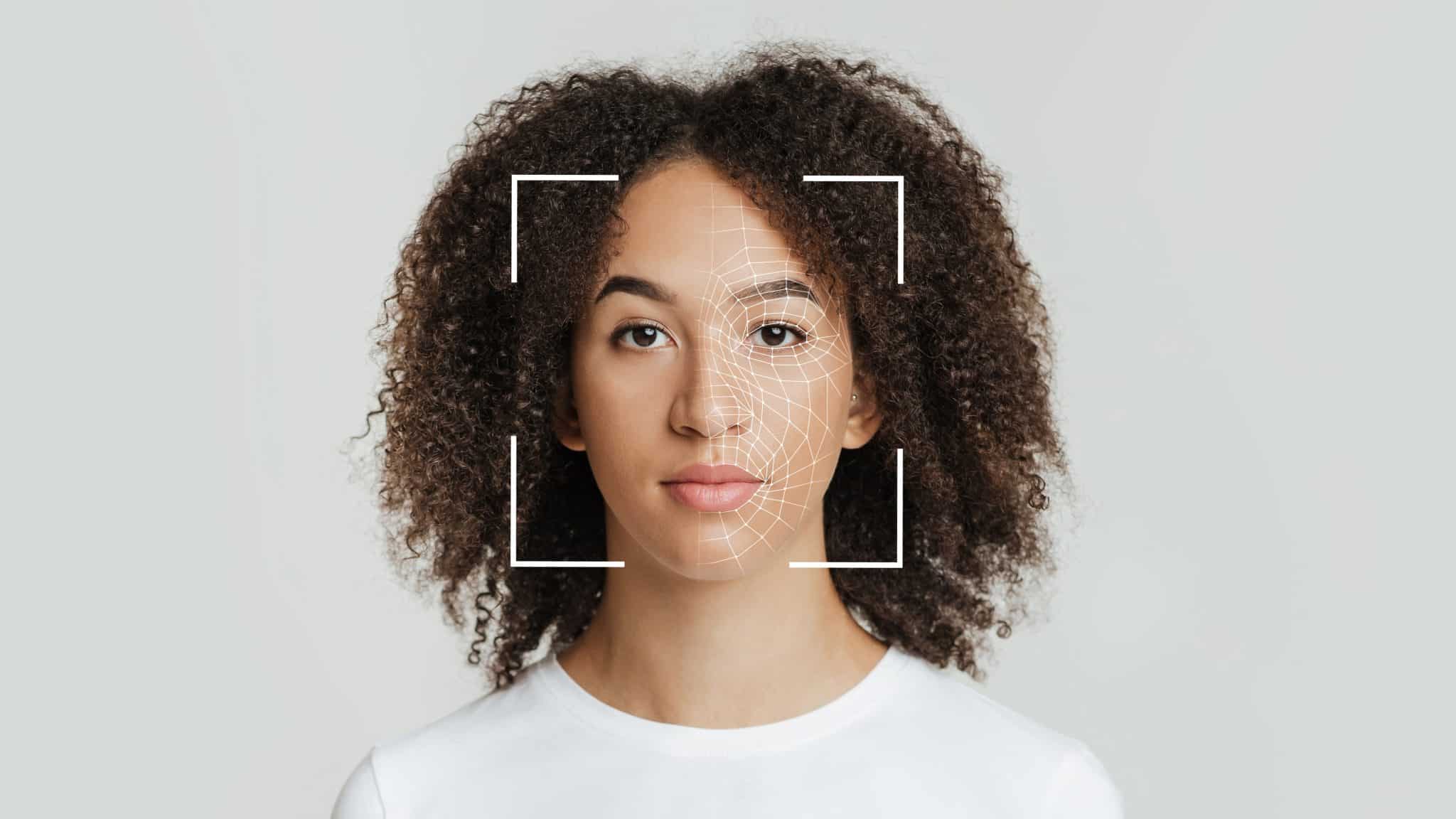
Biometric vendors urged to disclose responsible data use practices and protect individual rights
John E. Bredehoft examines how biometric vendors should responsibly handle biometric data they collect from individuals. The article discuss
 biometricupdate.com·4d ago
UK Police Facial Recognition Relies on Policy, Not Statute, Raising Legal Concerns
James Ball examines how the UK's widespread use of live facial recognition (LFR) technology by police operates primarily through internal po
 buff.ly·4d ago