





















UK Police Facial Recognition Relies on Policy, Not Statute, Raising Legal Concerns
By
James Ball

Sesame, salt, and substance. A flagship bake.
Summary
James Ball examines how the UK's widespread use of live facial recognition (LFR) technology by police operates primarily through internal policy decisions rather than explicit statutory law. The article highlights the case of Shaun Thompson, a charity worker pulled aside by police after being flagged by LFR, and explores the legal and civil liberties implications of a surveillance system that lacks clear parliamentary authorization. Ball argues that constant automated observation changes both those being watched and the nature of policing itself, raising concerns about accountability, bias, and the erosion of privacy rights.
Key quotes
· 3 pulledThe act of constant observation, even if only by an automated system, surely changes those being watched.
He was told that he was a match for a man wanted for failing to appear in court—a charge that would later be dropped.
Britain's facial recognition boom runs on police policy, not statute.
You might also wanna read

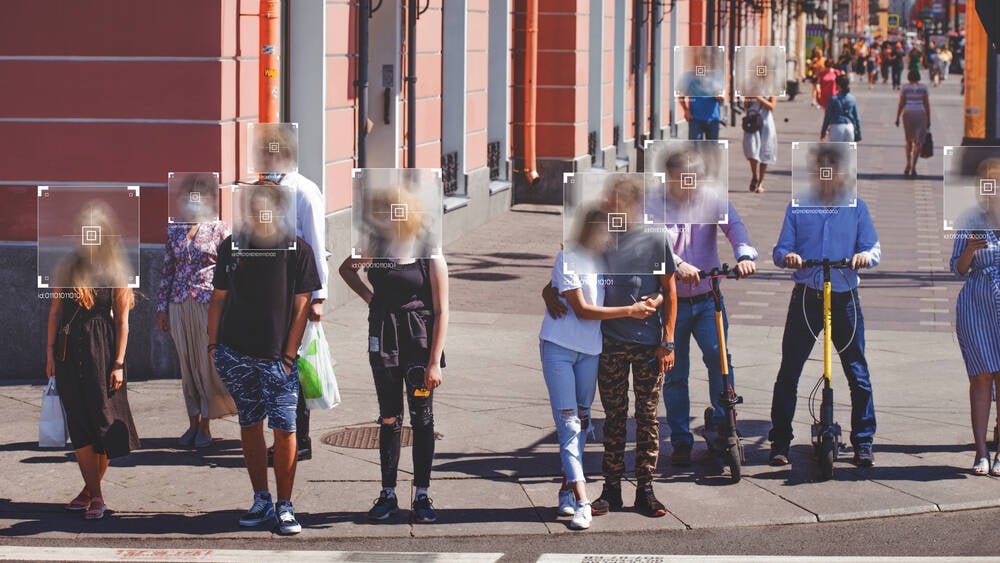
UK Expands Police Use of Live Facial Recognition Technology
The UK is expanding its use of live facial recognition (LFR) technology in policing, with ten new vans being deployed to seven additional po
 theregister.com·9mo ago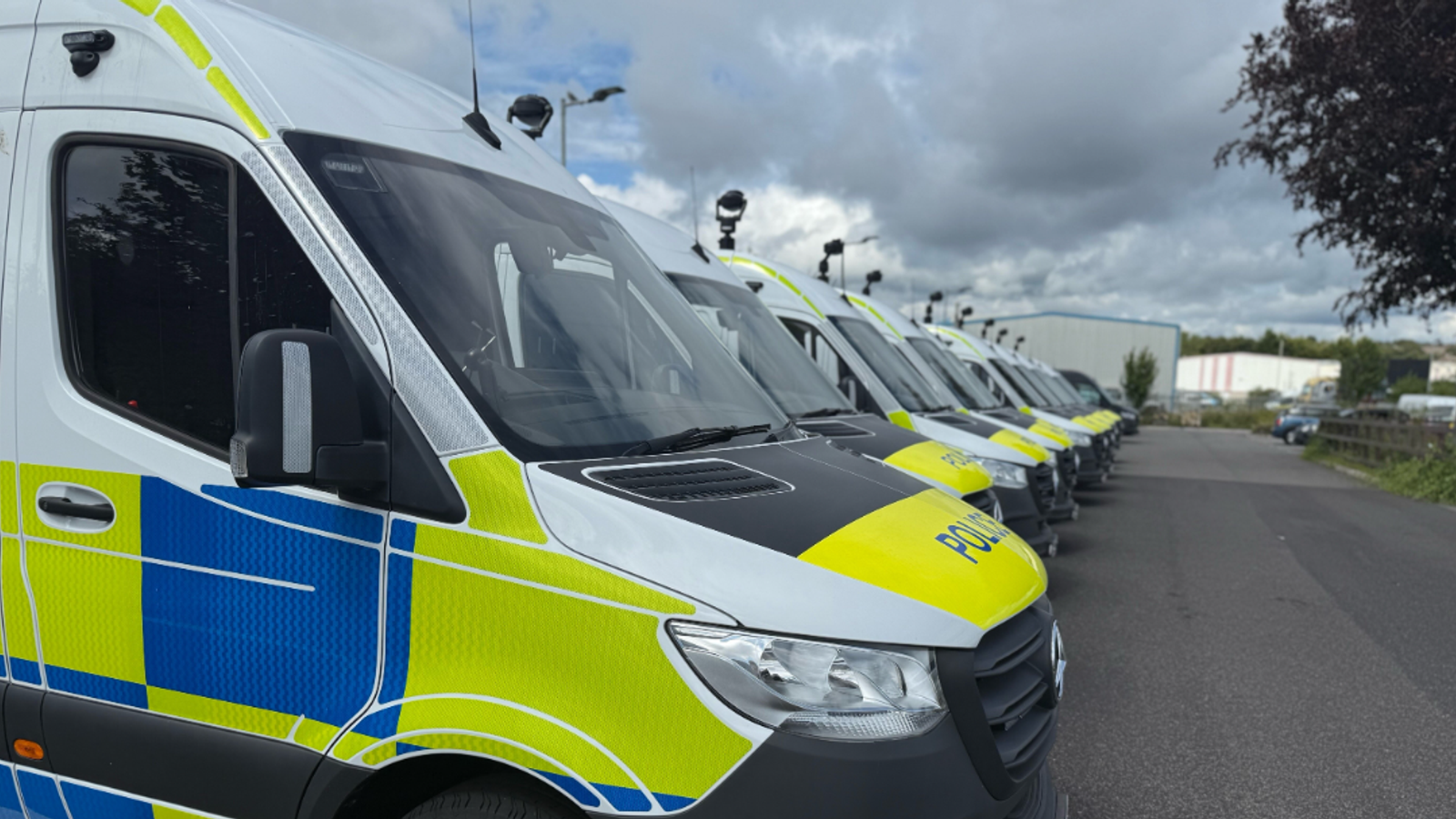
UK Police to Deploy Facial Recognition Vans for Serious Crime Detection
The UK government plans to expand the use of live facial recognition (LFR) technology by deploying 10 vans across seven police forces in Eng
 news.sky.com·9mo ago
Essex police suspend live facial recognition after study finds racial bias against Black people
Essex police have paused the use of live facial recognition (LFR) technology after a study revealed the cameras were significantly more like
 theguardian.com·2mo ago
UK Expands Predictive Policing and Surveillance Systems for Crime Prevention and Dissent Management
The article examines the UK's expansion of predictive policing and surveillance technologies, including algorithms, facial recognition, and
 freedomnews.org.uk·4mo ago
London Police Deploy Live Facial Recognition at Political Protest for First Time
The Metropolitan Police in London will deploy live facial recognition technology at a political protest for the first time in the UK. The te
 reclaimthenet.org·16d ago
Cities Grapple with Flock Safety Surveillance Technology and Privacy Concerns
The article examines the proliferation of Flock Safety surveillance technology in cities across the United States, analyzing the controversi
 cnet.com·1mo ago