
























In the Caribbean, Colonial Era Laws Still Criminalise Love. It's Time to Change That.
By
may797
9d ago
Source
hls.harvard.eduIn the Caribbean, Colonial Era Laws Still Criminalise Love. It's Time to Change That.harvard.edumay797 Thu, 06/25/2026 - 15:35 June 29, 2026 The views expressed below are those of the author and do not necessarily reflect those of the Carr-Ryan Center for Human Rights or Harvard Kennedy School. These perspectives have been presented to encourage debate on important public policy challenges. From Canada in the north to Chile in the south, homosexuality has been long since been decriminalised in the 35 countries that make up the Americas. Many, including the most populous ones now have equal marriage – the United States, Brazil, Mexico, Colombia, Argentina and Canada. The western hemisphere is not a bad place to be gay. There are, however, a few holdouts in the Caribbean, where it is still illegal to be gay—Jamacia, Guyana, Saint Vincent and the Grenadines, Trinidad and Tobago, and Grenada. All are anglophone and formerly part of the British Empire. This not a co-incidence. On July 8 th , just a few days after Pride is protested and celebrated in London, judges sitting in that great world city as the Judicial Committee of the Privy Council will adjudicate on Trinidad and Tobago’s anti-sodomy laws. All of the judges will be British and none will be from the Caribbean even though that is possible. The Privy Council is a remnant of empire and acts as a de facto Supreme Court for a number of former British colonies. The alternative Caribbean Court of Justice has taken a more rights-protective approach in the cases it has heard including finding a colonial era law in Guyana criminalising transgender people to be unconstitutional in 2018. This influenced lower courts to rule against anti-sodomy laws in Barbados, Saint Lucia, and Dominica earlier this decade. In hearing the case, the British judges will do so knowing that human rights and freedoms, including the right to privacy and control over what happens to one’s own body and in one’s own bedroom, have long since ensured that anti-sodomy laws, such as those in Trinidad and Tobago, can no longer exist in the United Kingdom or its overseas territories The Caribbean has a fascinating political history and constitutional present. It’s where Columbus made landfall and the first slaves were shipped from Africa to the Americas. It’s a history steeped in colonialism and its legacy. It includes islands like Guadeloupe which are overseas departments of France, in the European Union, use the euro and are under the French legal code and European human rights law. It also includes independent republics once part the Spanish empire, like Cuba, or the French Empire, like Haiti and are under the Inter-American human rights system. There are former Spanish colonies that are now commonwealths of the USA—Puerto Rico—three islands that are independent states within the Kingdom of the Netherlands and another three that remain Dutch municipalities, all of which have now equal marriage. There are the British Islands known as Overseas Territories like the Cayman Islands and Anguilla that are self-governing dependencies of the United Kingdom in which homosexual acts are legal and even a former Danish colony that was purchased by the United States from Denmark. Perhaps this transaction might even have inspired President Trump’s plans to purchase and annex another Danish island, Greenland. In hearing the case, the British judges will do so knowing that human rights and freedoms, including the right to privacy and control over what happens to one’s own body and in one’s own bedroom, have long since ensured that anti-sodomy laws, such as those in Trinidad and Tobago, can no longer exist in the United Kingdom or its overseas territories; these are colonial era laws that have long since been repealed in the United Kingdom itself and its remaining colonial outposts including in the Caribbean. At the same time, the British judges will be sensitive to fact that any perceived attempt to impose ‘British’ or ‘Western’ values on these Caribbean states where public acceptance of LGBT+ people is low could reduce support for the Privy Council in those countries. It’s a dilemma: constitutional, legal and political. Whatever they decide, surely it must be the case that the protection of human rights, the principle of equality before the law, and upholding human dignity should override any institutional interests and concerns. Nobody should be criminalised because of whom they love. Let’s hope they do the right thing. The queer community around the world and our allies will be watching. Leo Varadkar served as Prime Minister (Taoiseach) of Ireland from 2017-2020 and again from 2022-2024. He is currently a 2025-26 Senior Fellow in the Global LGBTQI+ Human Rights Program at the Carr-Ryan Center for Human Rights, Harvard Kennedy School, with support from the Weatherhead Research Cluster on Global LGBTQI+ Human Rights . In the Caribbean, Colonial Era Laws Still Criminalise Love. It's Time to Change That. Image Credits Adobe Stock Carr Blog Series LGBTQI+ Human Rights Contact Leo Varadkar, Global LGBTQI+ Human Rights Fellow (2025-26)
You might also wanna read


France acknowledges its slave trade history but must do more to address Caribbean legacy, argues academic
Marie-Annick Gournet reflects on France's evolving recognition of its role in the transatlantic slave trade, particularly through the Taubir
 theguardian.com·26d ago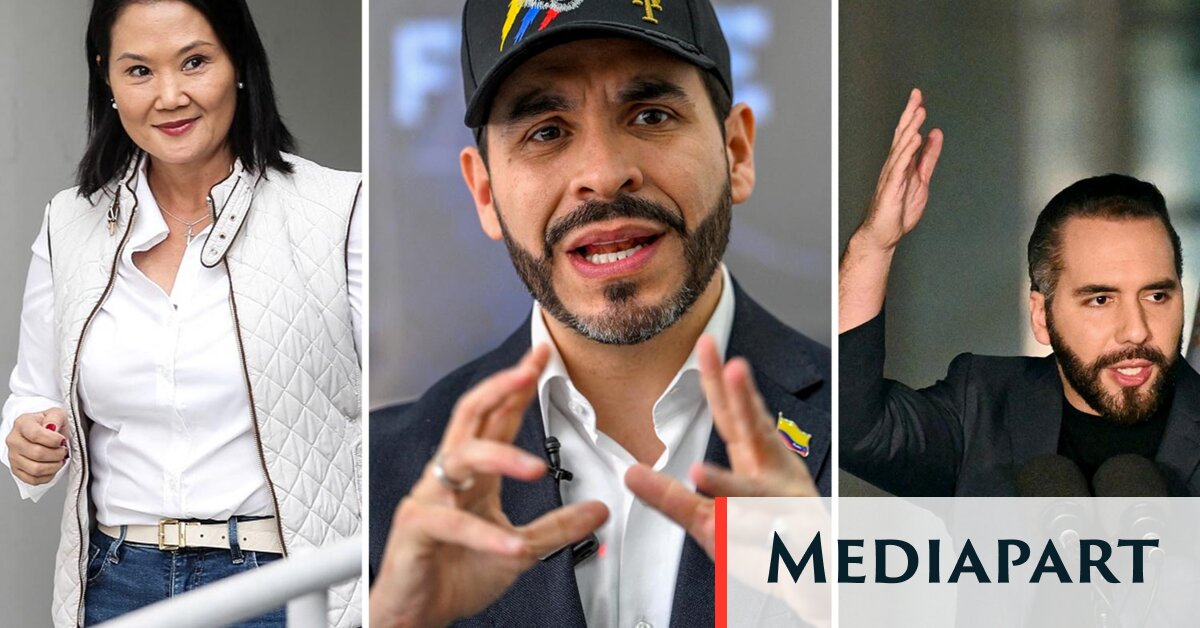
« Un vent de dégagisme souffle en Amérique latine »
 l.mediapart.fr·12d ago
Transgender Homicides in Britain, 2000-2025: Victims and Perpetrators
papers.ssrn.com·2mo ago

A Black lesbian couple’s legal battle in Botswana marks a milestone for Africa: ‘We love each other, and that is all that matters’
EL PAÍS·18h ago
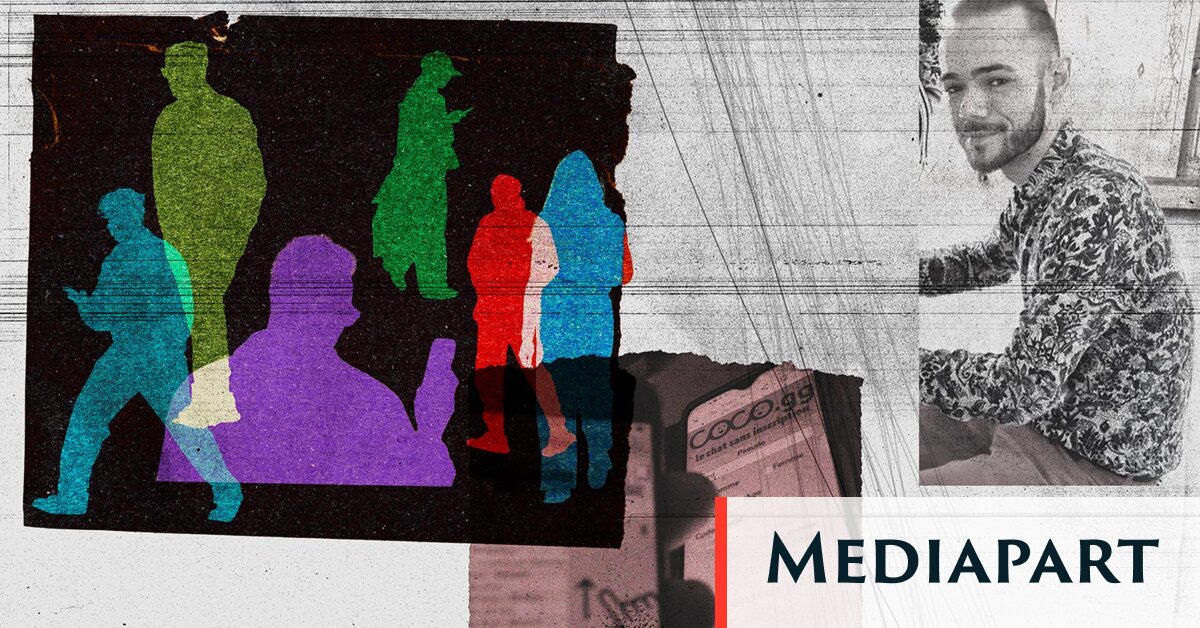
À Avignon, la justice a fermé les yeux sur l’homophobie de deux guets-apens
l.mediapart.fr·1mo ago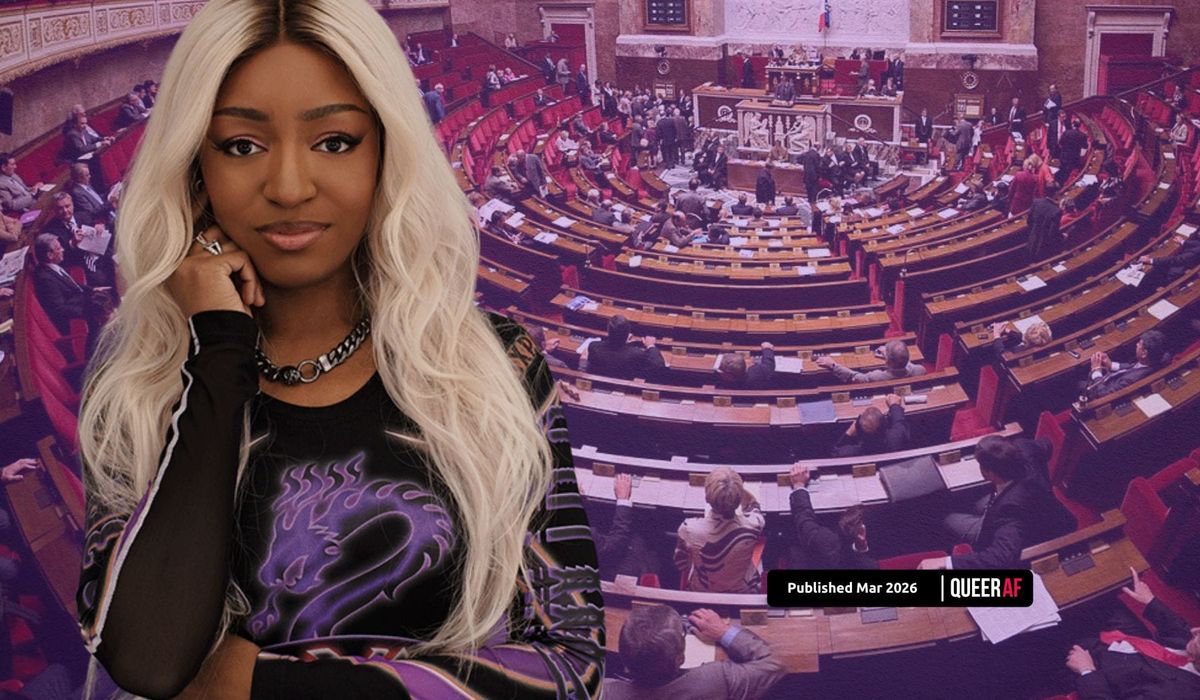
French marital reforms represent progress for women and asexual people
This article discusses French marital reforms as a progressive step for women and asexual individuals. It highlights how many countries, inc
 wearequeeraf.com·11d ago
Comments
Sign in to join the conversation.
No comments yet. Be the first.