





















France acknowledges its slave trade history but must do more to address Caribbean legacy, argues academic
By
Marie-Annick Gournet

A five-star bake. Worth schmearing, sharing, saving.
Summary
Marie-Annick Gournet reflects on France's evolving recognition of its role in the transatlantic slave trade, particularly through the Taubira law which recognized slavery as a crime against humanity. However, she argues that symbolic gestures are insufficient — the Caribbean territories of Guadeloupe and Martinique continue to suffer from the enduring economic, social, and psychological consequences of colonialism and slavery. The article calls for concrete reparative actions beyond acknowledgment, including addressing ongoing inequalities and systemic discrimination faced by these overseas territories.
Key quotes
· 3 pulledVive la République, et vive la France.
The notorious Code Noir is gone. But people in Guadeloupe and Martinique continue to live with the consequences.
As applause rippled around the reception room of the Elysée Palace, whose construction was financed by a 18th-century slave-owning magnate, Leïla Brédent, a black soprano from Guadeloupe, launched into a stirring rendition of La Marseillaise.
You might also wanna read


Addressing Colonial Legacies in Sustainable Design for Climate Adaptation
The article argues that sustainable design must address its historical ties to colonialism to adapt to the irreversible impacts of climate c
 Dezeen·10mo ago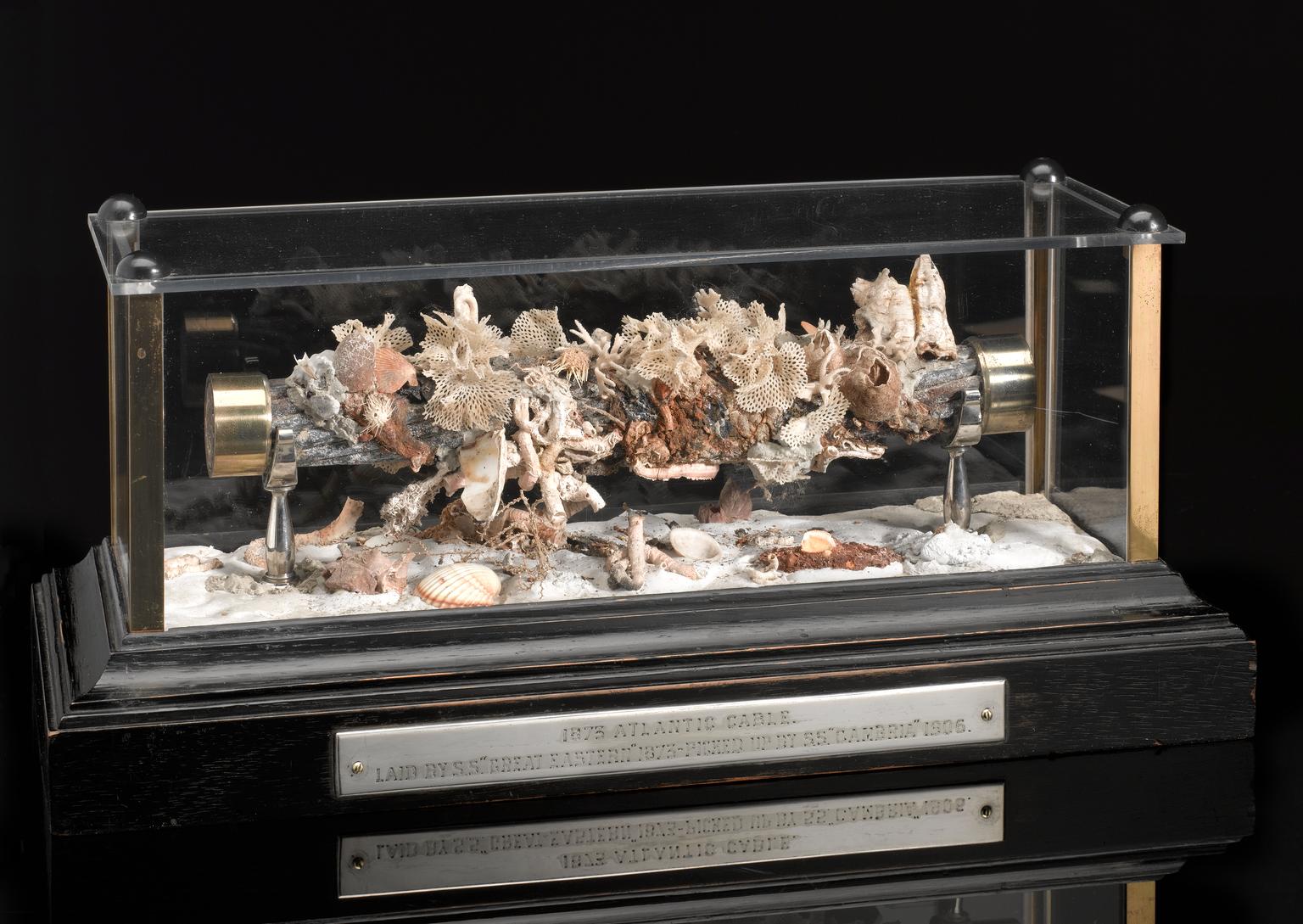
Undersea Cables: The Hidden Infrastructure and Colonial Legacy of Global Communication
The article explores the historical legacy of undersea telegraph cables and how their history, including unheard voices from colonial contex
 blog.sciencemuseumgroup.org.uk·5mo ago
Ubuntu and Restorative Justice: Contrasting Indigenous African and Western Approaches to Conflict Resolution
This article contrasts Western adversarial justice systems with the African indigenous philosophy of Ubuntu, which emphasizes restorative ju
 traum-und-verantwortung.de·8mo ago
UK Suspends Intelligence-Sharing with US on Caribbean Drug Trafficking Vessels Over Lethal Strike Concerns
The UK has suspended intelligence-sharing with the US regarding suspected drug trafficking vessels in the Caribbean due to concerns that the
 theguardian.com·7mo ago
A new blood type discovered in France: "Gwada negative", a global exception
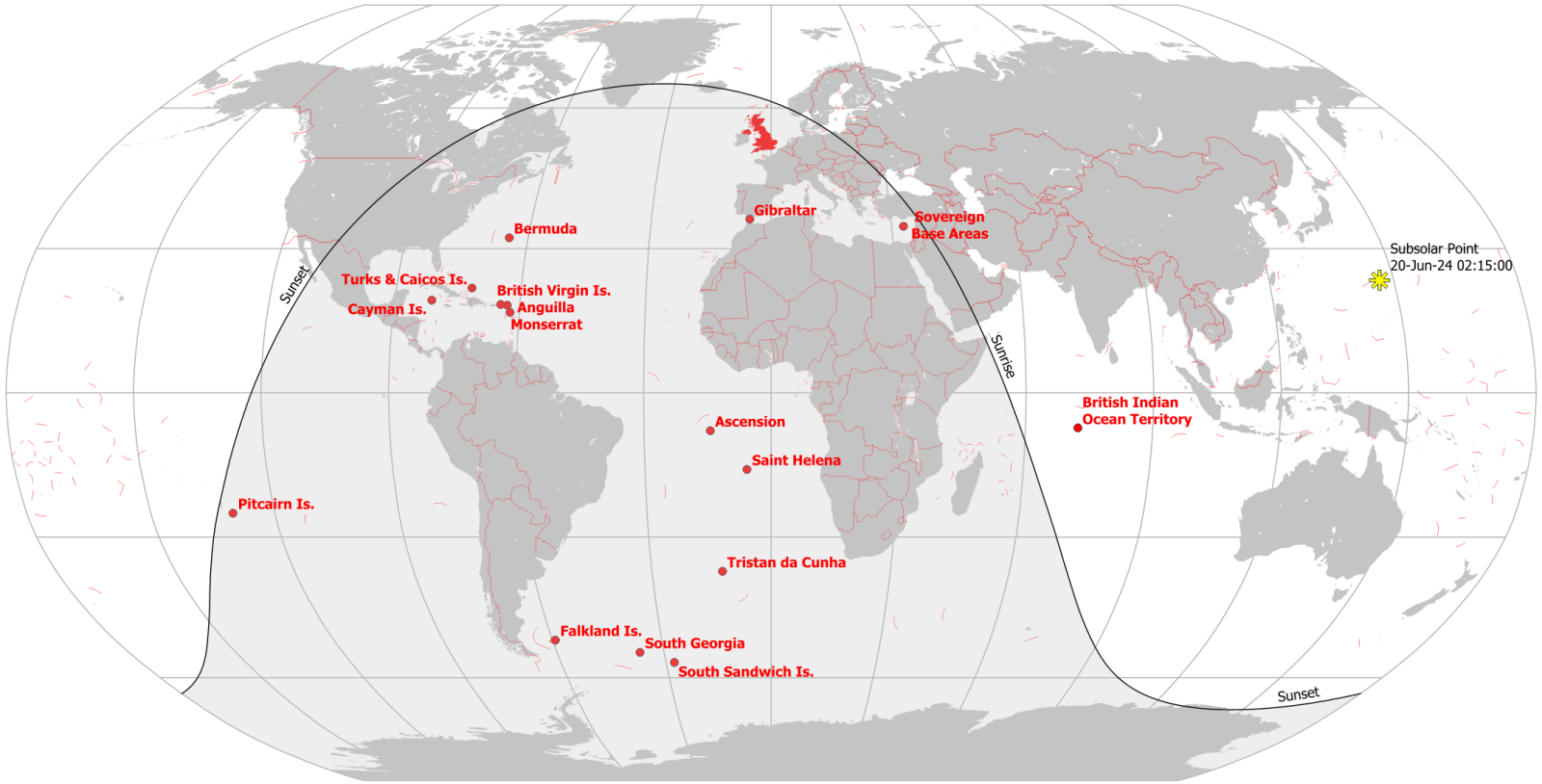
Analysis: How British Overseas Territories Maintain Continuous Sunlight Coverage
The article examines whether the sun truly sets on the British Empire by analyzing the UK's remaining overseas territories. The author argue
 oikofuge.com·9mo ago