
























New Jersey blends human fire spotters in century-old towers with AI and drones to detect wildfires
By
Susan Phillips
Summary
This article explores how New Jersey's wildfire detection system combines modern technology with a century-old method: human spotters in fire towers. Perched 100 feet above the Pine Barrens, observers use an Osborne Fire Finder — a 1911 invention — to pinpoint smoke and coordinate responses. While drones, satellites, and AI-powered cameras are increasingly used, the state still relies on trained humans in towers who can interpret smoke, weather, and local conditions in ways machines cannot. The piece examines the trade-offs between high-tech solutions and traditional observation, the challenges of staffing and funding these towers, and the unique value of human judgment in fire detection, especially in New Jersey's fire-prone Pine Barrens ecosystem.
Source
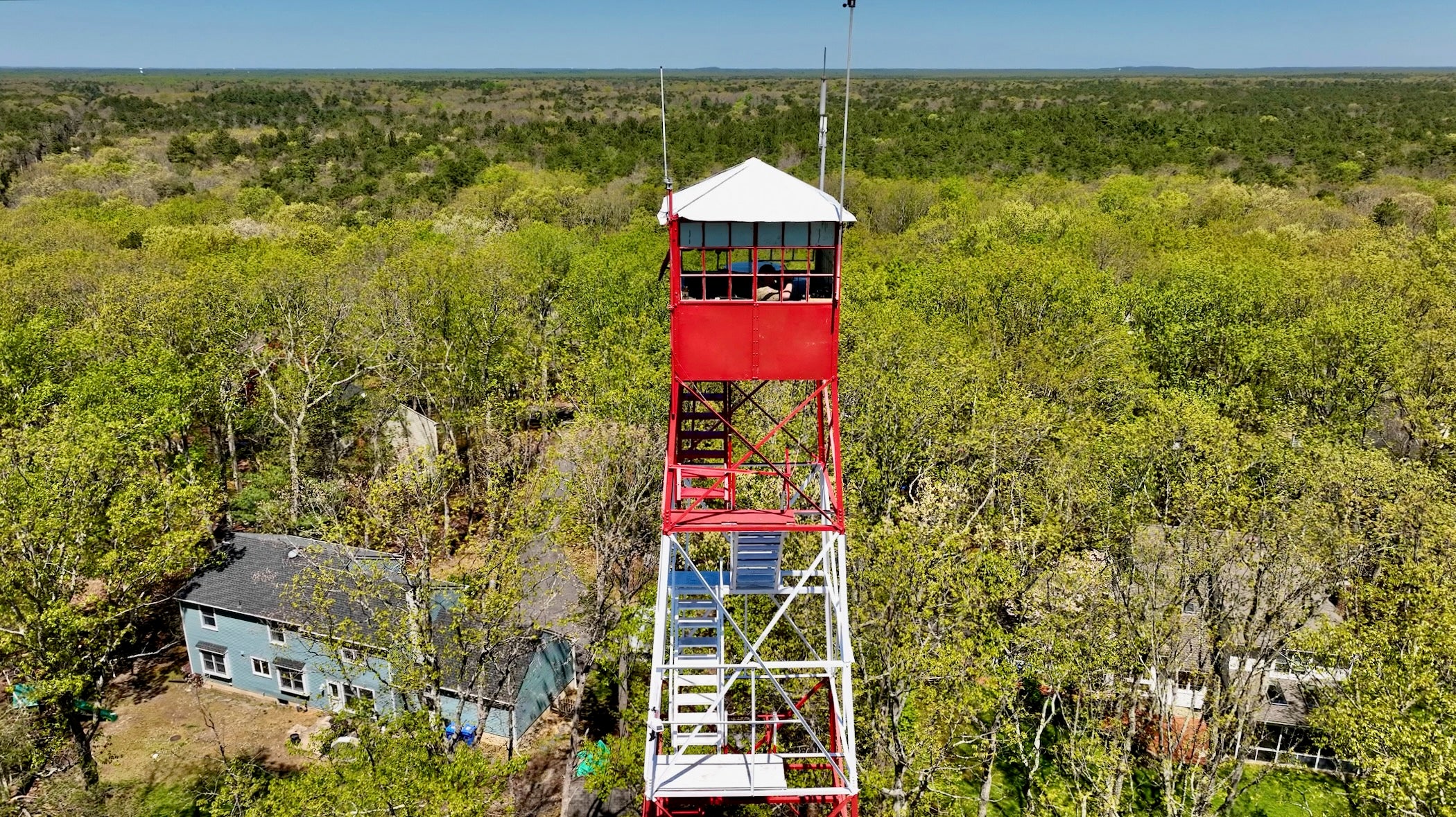
 bskyNew Jersey blends human fire spotters in century-old towers with AI and drones to detect wildfireswhyy.org
Key quotes
· 5 pulledWhen you're up here, you're not just looking for smoke. You're reading the wind, the humidity, the time of day, the season. You know what's normal and what's not.
The Osborne Fire Finder hasn't changed much since 1911 because it works. You can't hack it. You can't jam it. It's a brass ring on a map.
AI can spot a plume from space, but it can't tell you if that smoke is from a campfire someone's legally burning or a wildfire that's about to blow up.
We're not anti-technology. We're pro-safety. But the best system is one where the machine alerts you and the human confirms it.
The Pine Barrens are a unique fire environment. The soil is sandy, the vegetation is flammable, and the winds can shift in an instant. You need eyes that understand that.
You might also wanna read

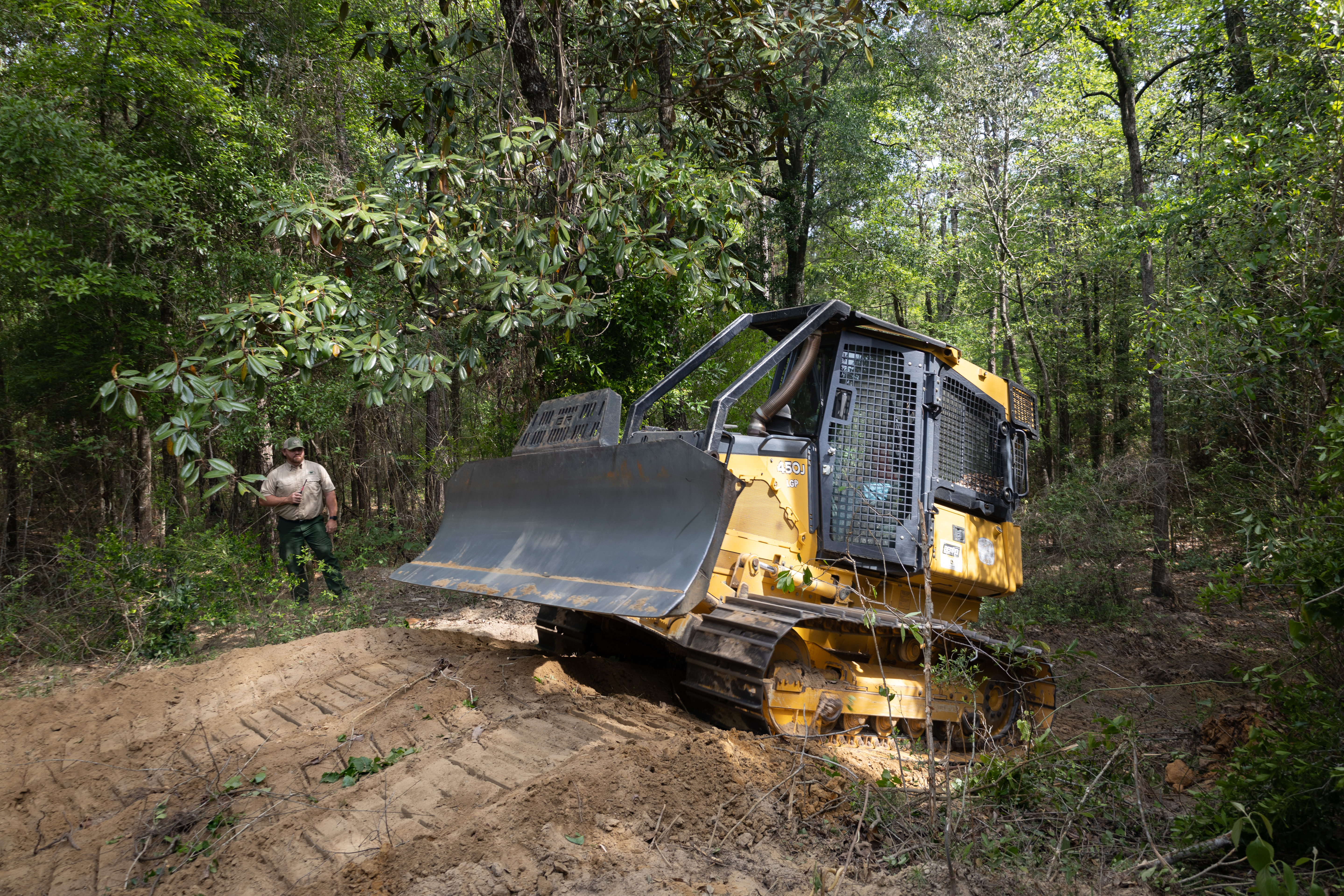
NASA Develops Low-Cost Thermal Sensors for Fire Bulldozers to Improve Wildfire Safety
NASA's FireSense project has developed low-cost thermal sensors for fire bulldozers that alert firefighters when heat from nearby fires reac
 go.nasa.gov·16d ago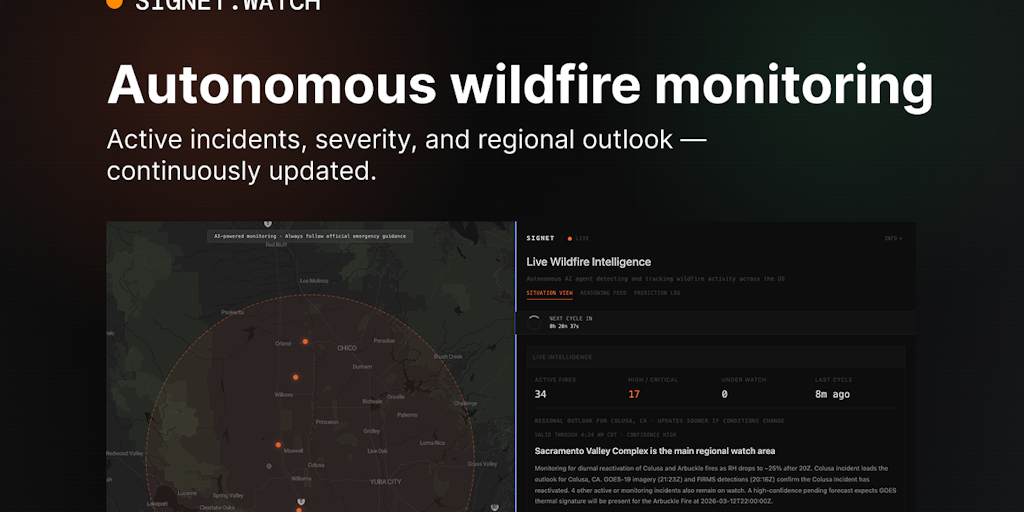
Signet: Autonomous AI Wildfire Monitoring Agent with Free Local Alerts
Signet is an autonomous AI wildfire intelligence agent that monitors the continental US 24/7 using NASA satellite data, NOAA imagery, weathe
 Product Hunt·3mo ago
Signet: Satellite-Based Wildfire Monitoring and Alert Service for the Continental US
Signet is a service that monitors satellite heat detections for wildfire activity across the continental US, using thermal imagery and weath
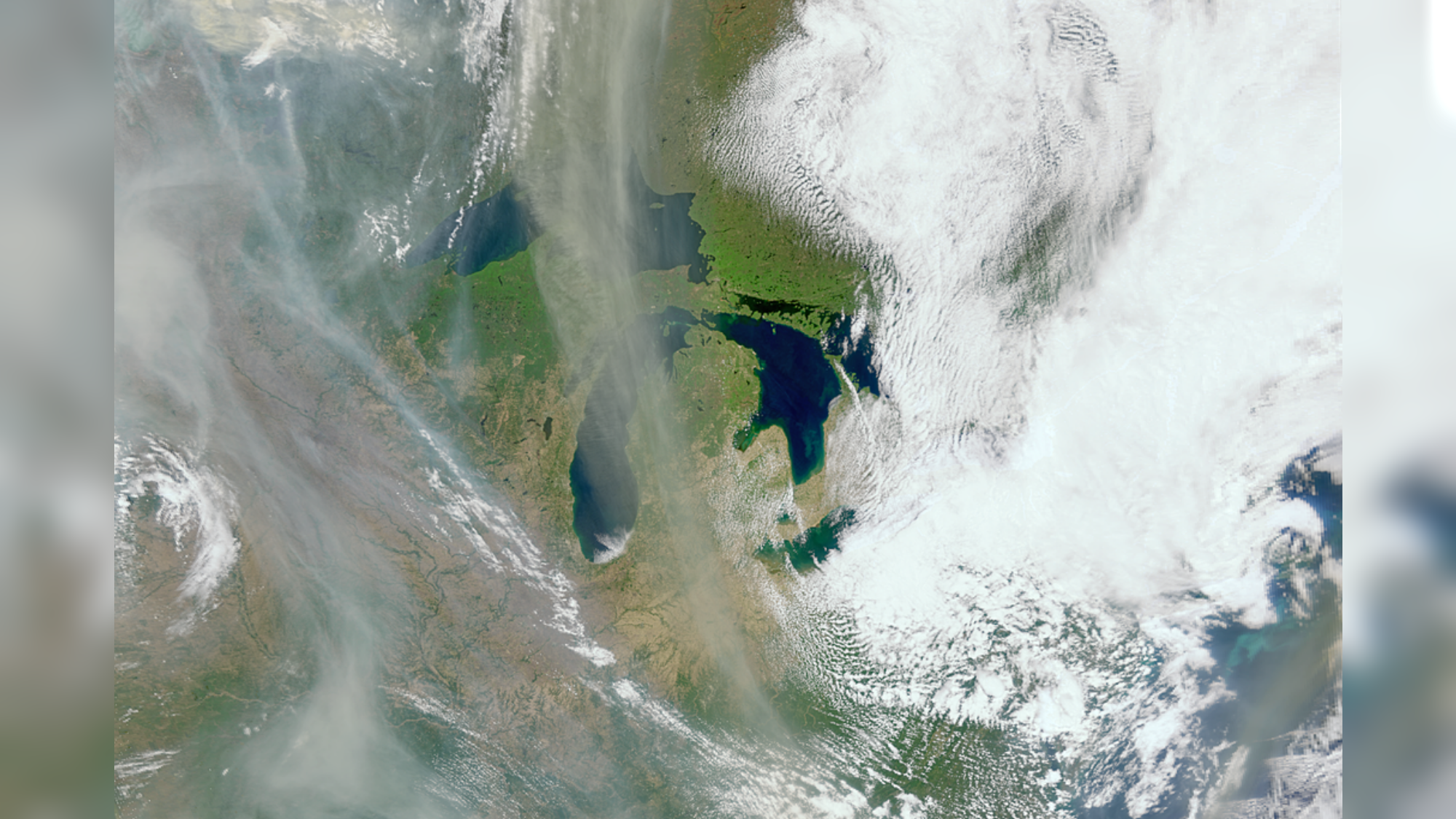
NASA's ocean-studying PACE satellite captures wildfire smoke plumes over Canada from space
A NASA satellite originally designed to study Earth's oceans (PACE - Plankton, Aerosol, Cloud, ocean Ecosystem) has proven unexpectedly usef
 space.com·3d ago
NASA's ocean-studying PACE satellite captures wildfire smoke plumes over Canada from space
A NASA satellite originally designed to study Earth's oceans (PACE - Plankton, Aerosol, Cloud, ocean Ecosystem) has proven unexpectedly usef
Space·3d agoCollaborative Innovation for Giant Sequoia Conservation
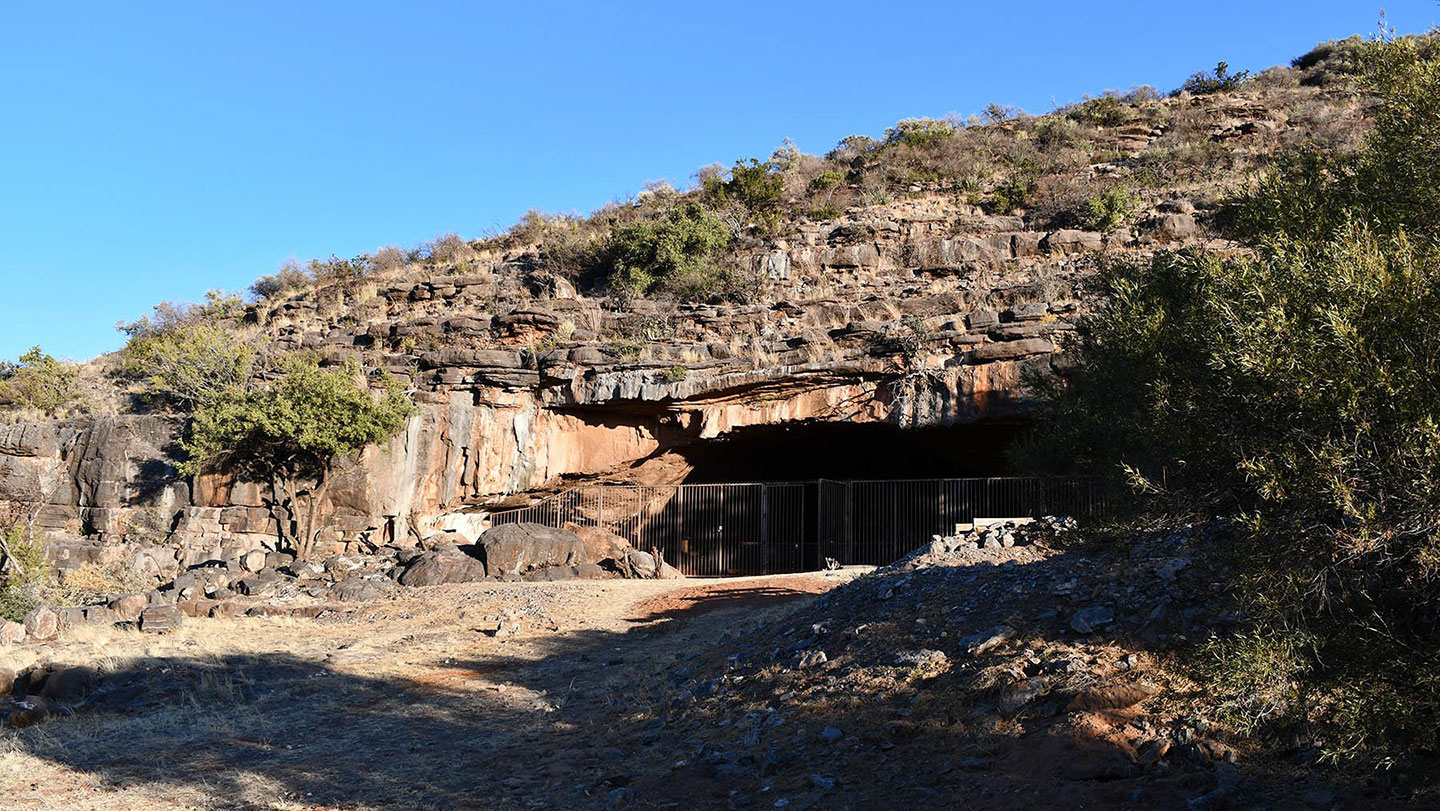
New evidence pushes back earliest known human fire use to 1.8 million years ago
Archaeologists have discovered evidence of controlled fire use by Homo erectus at Wonderwork Cave in South Africa, dating back up to 1.8 mil
 sciencenews.org·7d ago
New evidence pushes back earliest known human fire use to 1.8 million years ago
Archaeologists have discovered evidence of controlled fire use by Homo erectus at Wonderwork Cave in South Africa, dating back up to 1.8 mil
sciencenews.org·7d ago
Comments
Sign in to join the conversation.
No comments yet. Be the first.