
























How the Soviet Venera 7 probe became the first spacecraft to transmit data from another planet's surface in 1970
By
By Space Daily Editorial Team · Editorial process
Summary
On 15 December 1970, the Soviet Venera 7 probe became the first spacecraft to successfully transmit data from the surface of another planet. After its parachute tore during descent, the reinforced titanium capsule struck Venus at about 17 m/s (60 km/h), landing on its side. The weak signal was initially dismissed as tape noise by engineers, but later analysis revealed 23 minutes of faint temperature data from Venus's harsh surface, marking a historic milestone in space exploration.
Source

 bskyHow the Soviet Venera 7 probe became the first spacecraft to transmit data from another planet's surface in 1970spacedaily.com
Key quotes
· 3 pulledAt first, the signal looked dead. Only later did engineers realize that Venera 7 had sent the first data ever returned from the surface of another planet.
Its parachute had failed during descent, and the capsule struck the surface at about 17 metres per second, roughly 60 kilometres per hour. For a machine falling onto Venus, that counted as survival.
The spacecraft had not landed gracefully.
You might also wanna read


January 2nd, 1959: The Soviet Luna 1 is Launched

Earth may have been seeding Venus with life for billions of years

November 3rd, 1957: The Soviet Union Launches the First Animal in Space
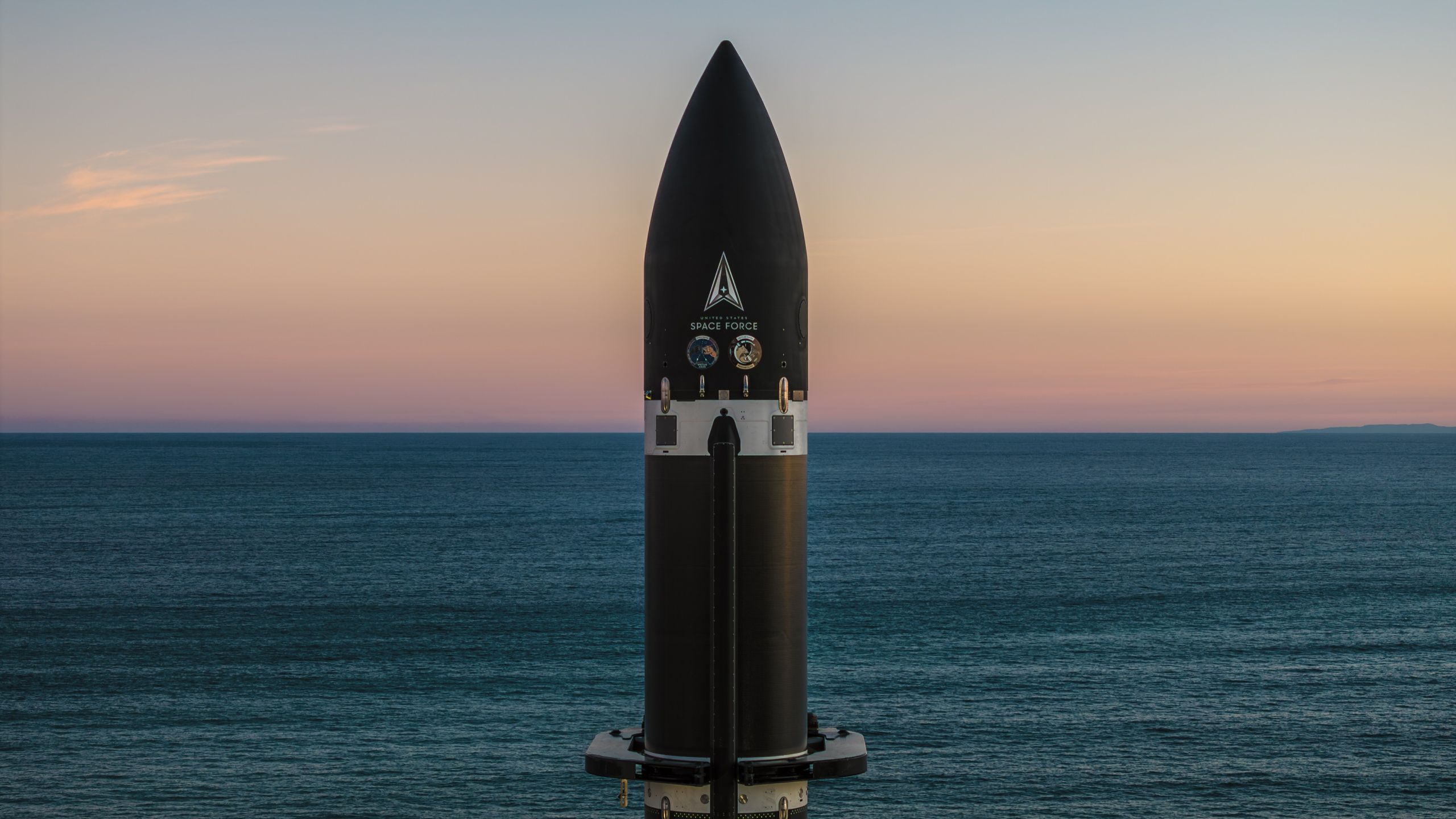
Space Force's 'Victus Haze' mission achieves first tactical orbital intercept with rapid-launch satellite
The U.S. Space Force's 'Victus Haze' mission successfully completed its first tactical intercept of an orbital target, with Rocket Lab launc
 Space·1d ago
Space Force's 'Victus Haze' mission achieves first tactical orbital intercept with rapid-launch satellite
The U.S. Space Force's 'Victus Haze' mission successfully completed its first tactical intercept of an orbital target, with Rocket Lab launc
space.com·1d ago
Venus vs Earth: The Scientific Mystery of Planetary Evolution and Habitability
This article explores the scientific mystery of why Venus, Earth's twin planet in size and composition, became an extremely inhospitable wor
 quantamagazine.org·9mo ago
NASA's shifting Mars priorities put the search for life on hold, 50 years after Viking
This article examines NASA's shifting priorities regarding the search for life on Mars, 50 years after the Viking 1 mission first attempted
 sciencenews.org·14d ago
Comments
Sign in to join the conversation.
No comments yet. Be the first.