
























Study reveals nanotube-based intercellular DNA transfer driven by genome instability in human cells
This research article reveals a novel biological mechanism where genomic instability in human cells triggers the transfer of damaged DNA fragments to neighboring cells through contact-dependent, cytoskeleton-based nanotube structures. The study shows that cytoplasmic DNA resulting from genome instability (such as micronuclei or fragmented chromosomes) can be directly passed between adjacent human cells via these nanotube-like connections, rather than being confined to cell-autonomous effects. The transferred DNA fragments persist and remain functional in recipient cells, demonstrating an unexpected route for propagating genome damage between cells — a finding with significant implications for understanding cancer, aging, and genetic diseases.
Key quotes
Here, we show that cytoplasmic DNAs undergo intercellular transfer through contact-dependent, cytoskeleton-based nanotube structures connecting adjacent human cells.
Diverse sources of genomic instability trigger the mislocalization of nuclear DNA to the cytoplasm within micronuclei or as fragmented chromosomes.
These transferred DNA fragments persist and function, revealing an unexpected route by which genome damage can propagate between cells.
From the article
You might also wanna read


Discovery of Dendritic Nanotubular Networks Enables New Form of Brain Cell Communication
Researchers have discovered a previously unknown form of intercellular communication in the brain through dendritic nanotubular networks. Us
 science.org·8mo ago
DNA origami snap-through switch enables durable nanoscale mechanical control
This article presents a scientific breakthrough in DNA nanotechnology: a high-endurance DNA origami snap-through switch that enables functio
 scim.ag·9d ago
DNA origami snap-through switch enables durable nanoscale mechanical control
This article presents a scientific breakthrough in DNA nanotechnology: a high-endurance DNA origami snap-through switch that enables functio
scim.ag·14d ago
Nature research paper: Confined migration induces non-lethal DNA damage in developing neurons
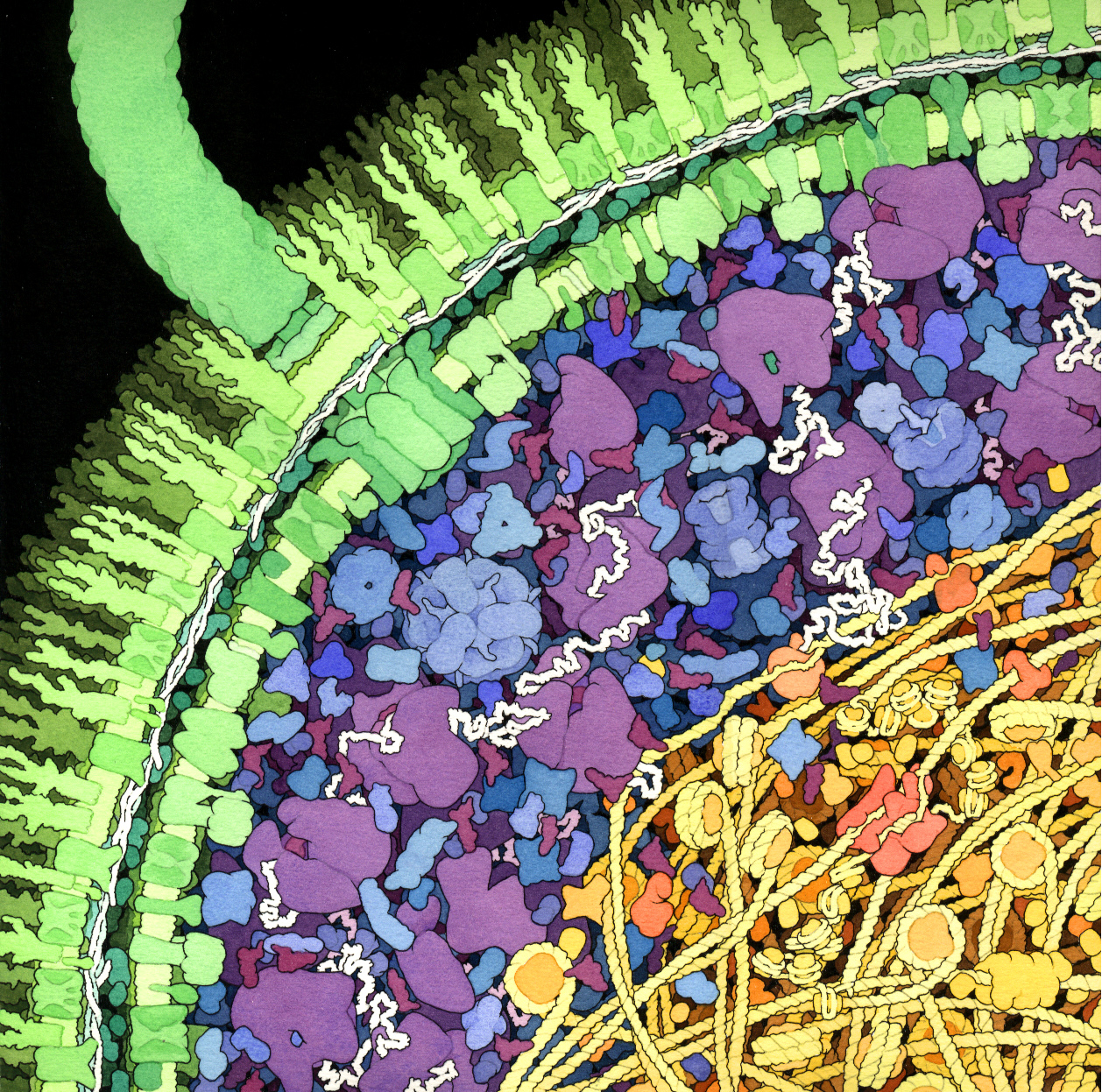
How Cells Pack Miles of DNA Into Microscopic Spaces: The Biology of Molecular Organization
This article explores the remarkable biological challenge of how DNA and other molecules are packed inside tiny cells like E. coli. It uses
 burrito.bio·2mo ago
Comments
Sign in to join the conversation.
No comments yet. Be the first.