





















NMA-modified antisense oligonucleotides enhance RNA splicing modulation for therapeutic applications
By
Ling, Karen, Prakash, Thazha P, Yu, Jinghua, Jackson, Michaela, Chun, Seung J, Bachmann, Gemma, Post, Noah, Greenlee, Sarah, Soriano, Armand, Hunyara, John L, Norris, Daniel A, Jafar-nejad, Paymaan, Swayze, Eric E, Bennett, C Frank, Rigo, Frank

Slow-proofed and worth the wait. Worth its weight in flour.
Summary
This article discusses the use of splice-switching antisense oligonucleotides (ASOs) as a therapeutic strategy for diseases caused by aberrant RNA splicing. It focuses on enhanced splicing modulation achieved through NMA-modified antisense oligonucleotides, presenting research findings on how these modifications improve the efficacy and specificity of splicing correction. The study explores the molecular mechanisms and potential therapeutic applications for conditions linked to RNA splicing defects.
Key quotes
· 3 pulledAberrant RNA splicing contributes to many human diseases
Splice-switching antisense oligonucleotides are ideally suited as a therapeutic strategy
Enhanced splicing modulation by NMA-modified antisense oligonucleotides
You might also wanna read


GeneSkin Develops mRNA Therapy Targeting Skin Stem Cells for Rejuvenation and Hair Growth
GeneSkin is developing a novel mRNA therapy targeting basal stem cells in the skin to address a wide range of dermatological issues includin
 wyss.harvard.edu·10h ago
First human trial begins for drug that could regrow missing teeth
Kyoto University Hospital has launched the first human trial of TRG-035, a drug designed to regrow teeth in adults by blocking a protein tha
 boingboing.net·1d ago
Startup Bexorg uses intact postmortem human brains for neurodegenerative drug testing
A startup called Bexorg is using intact brains from deceased human donors to test drugs for neurodegenerative diseases. By restoring blood f
 science.org·2d ago
Startup Bexorg uses intact postmortem human brains for neurodegenerative drug testing
A startup called Bexorg is using intact brains from deceased human donors to test drugs for neurodegenerative diseases. By restoring blood f
science.org·2d ago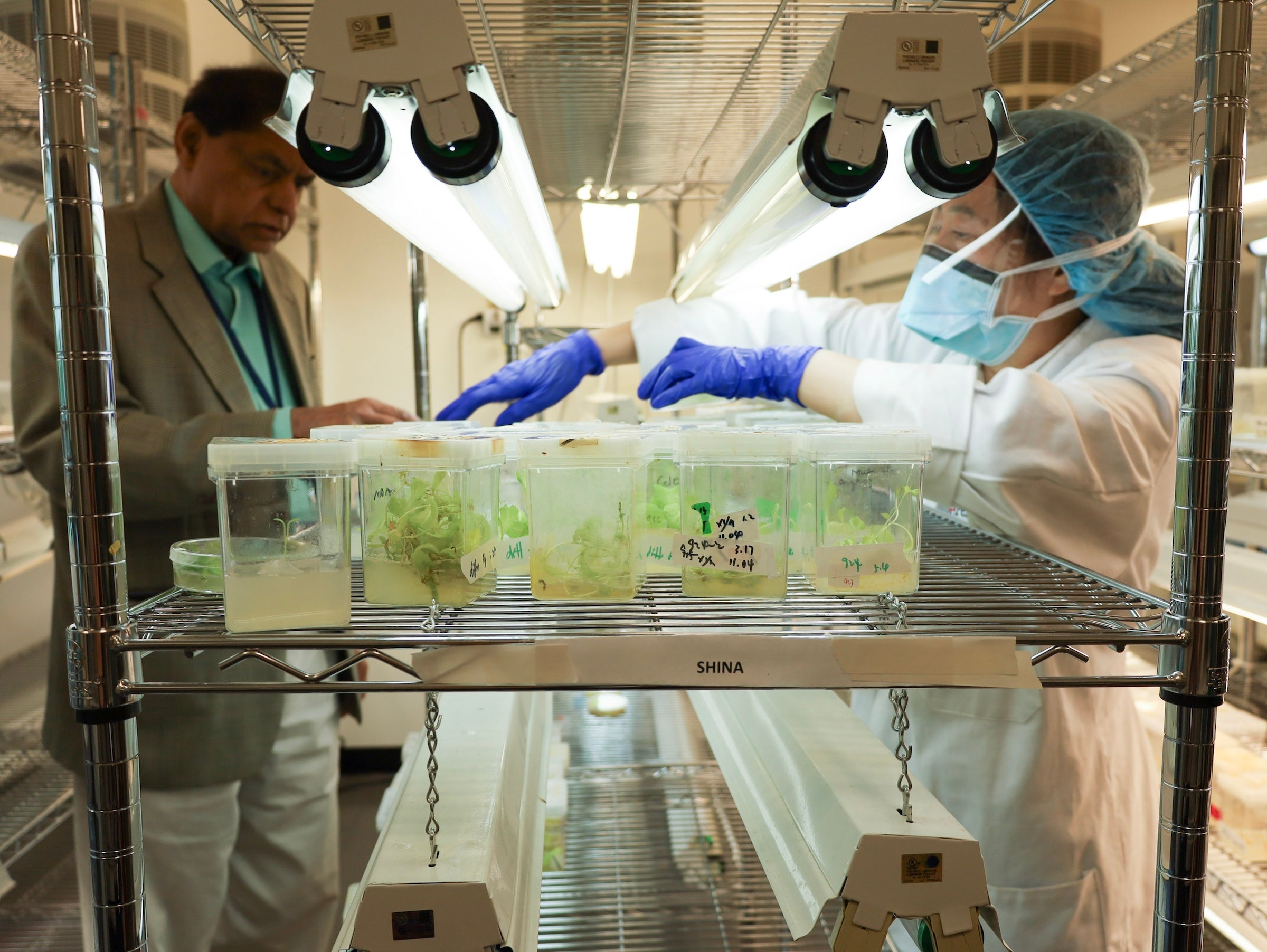
Penn researchers develop bioengineered chewing gum with potential to prevent oral and head cancers
Researchers at Penn, led by Dr. Henry Daniell, have developed a bioengineered chewing gum made from a bean plant that contains antiviral, an
 whyy.org·3d ago
scDynaBar: CRISPR-Cas9 dynamic barcoding enables single-cell temporal tracking using a molecular clock approach
This article presents scDynaBar, a novel method combining CRISPR-Cas9 dynamic barcoding with single-cell sequencing to track temporal cellul
 doi.org·3d ago