





















scDynaBar: CRISPR-Cas9 dynamic barcoding enables single-cell temporal tracking using a molecular clock approach
By
Irene Hernando-Herraez

Pure flour-power. Hearty enough to carry you through lunch.
Summary
This article presents scDynaBar, a novel method combining CRISPR-Cas9 dynamic barcoding with single-cell sequencing to track temporal cellular processes. The system uses genetic barcodes that accumulate mutations over time, which are sequenced alongside individual cell transcriptomes. The divergence of these barcodes from the original sequence serves as a molecular clock recording the timing of cellular events. The researchers demonstrate the method by tracking the transition from pluripotent to two-cell (2C)-like state in mouse embryonic stem cells, providing evidence for the transient nature of the 2C-like state. They also show consistent mutation rates across diverse cell types in a mouse gastruloid model, suggesting broad applicability for studying single-cell dynamics.
Key quotes
· 3 pulledWe present scDynaBar, a novel approach that combines CRISPR-Cas9 dynamic barcoding with single-cell sequencing.
We propose that the divergence of these barcodes from the original sequence can serve as a record of the timing of cellular events.
This approach not only improves our ability to study single-cell dynamics but also opens up new possibilities for recording other temporal signals—in other words, using dynamic barcoding as a molecular clock in individual cells.
You might also wanna read


NMA-modified antisense oligonucleotides enhance RNA splicing modulation for therapeutic applications
This article discusses the use of splice-switching antisense oligonucleotides (ASOs) as a therapeutic strategy for diseases caused by aberra
 doi.org·1d ago
The Evolution of DNA Sequencing: From Sanger to Nanopore Technology
This article provides a comprehensive visual guide to DNA sequencing technologies, tracing the evolution from the Human Genome Project's ini
 asimov.press·2mo ago
Mathematicians challenge dark energy model, suggesting cosmic acceleration may arise naturally from Einstein's equations
A team of mathematicians challenges the long-standing dark energy model, arguing that the model it was designed to rescue was never mathemat
 earth.com·2h ago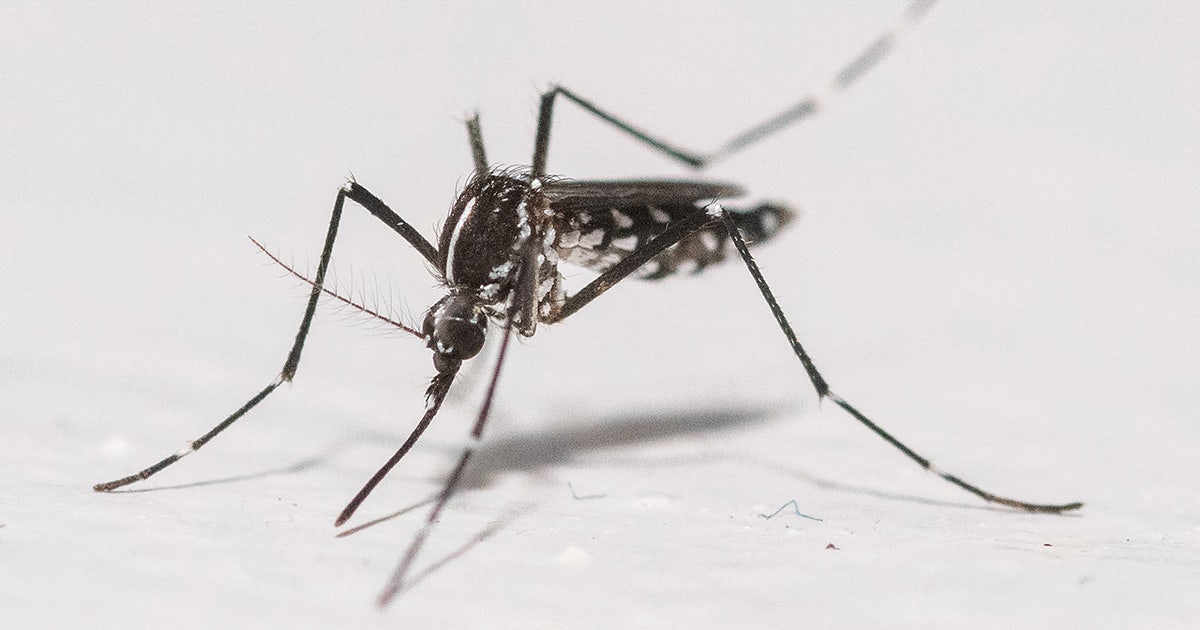
Google's Debug program seeks EPA permit to release 64 million modified mosquitoes in California and Florida
Google's Debug program plans to release up to 64 million genetically modified "good" mosquitoes in California and Florida over two years to
 bit.ly·3h ago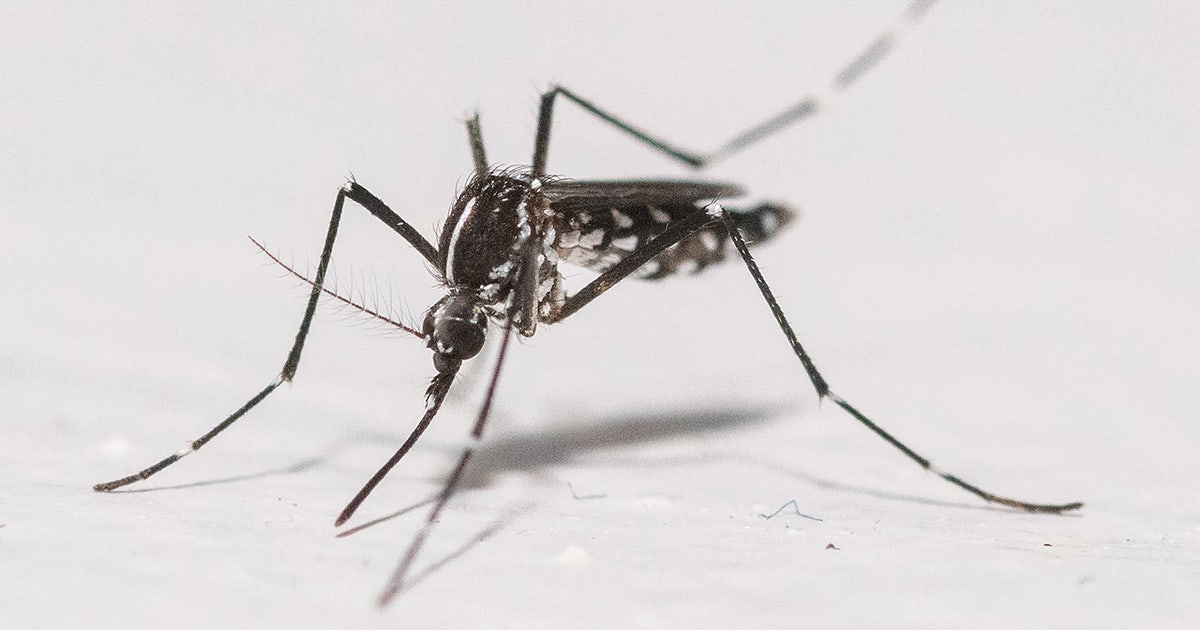
Google's Debug program seeks EPA approval to release 64 million modified mosquitoes in California and Florida
Google's Debug program plans to release up to 64 million genetically modified "good" mosquitoes in California and Florida over two years. Th
 fox35orlando.com·4h ago
Massachusetts invests $25M in MIT's new Quantum Systems Laboratory for quantum computing research
MIT is launching a Quantum Systems Laboratory in Cambridge, backed by a $25 million state investment from Massachusetts. The facility aims t