





















How Telecom's Actor Model from 1986 Informs Modern AI Agent Architecture
By
ellieh

Kettled twice. Extra chewy, extra trustworthy.
Summary
The article argues that modern AI agent frameworks in Python and JavaScript/TypeScript are essentially reinventing concepts that were solved decades ago in telecom systems using Erlang's actor model. It highlights how Elixir/BEAM's concurrency model, developed for telecom reliability, provides valuable lessons for building robust AI agents. The piece references José Valim's claims about Elixir being strong for AI development and discusses how the actor model from 1986 aligns with modern AI agent architectures, suggesting that current frameworks could learn from 40 years of production-grade concurrency experience.
Key quotes
· 4 pulledthe actor model that Erlang introduced in 1986 is the agent model that AI
Python and JavaScript/TypeScript AI frameworks are reinventing what telecom solved in 1986
What 40 years of production-grade concurrency teaches us about building AI agents
Elixir/BEAM Doesn't Solve Everything for AI Agents
You might also wanna read

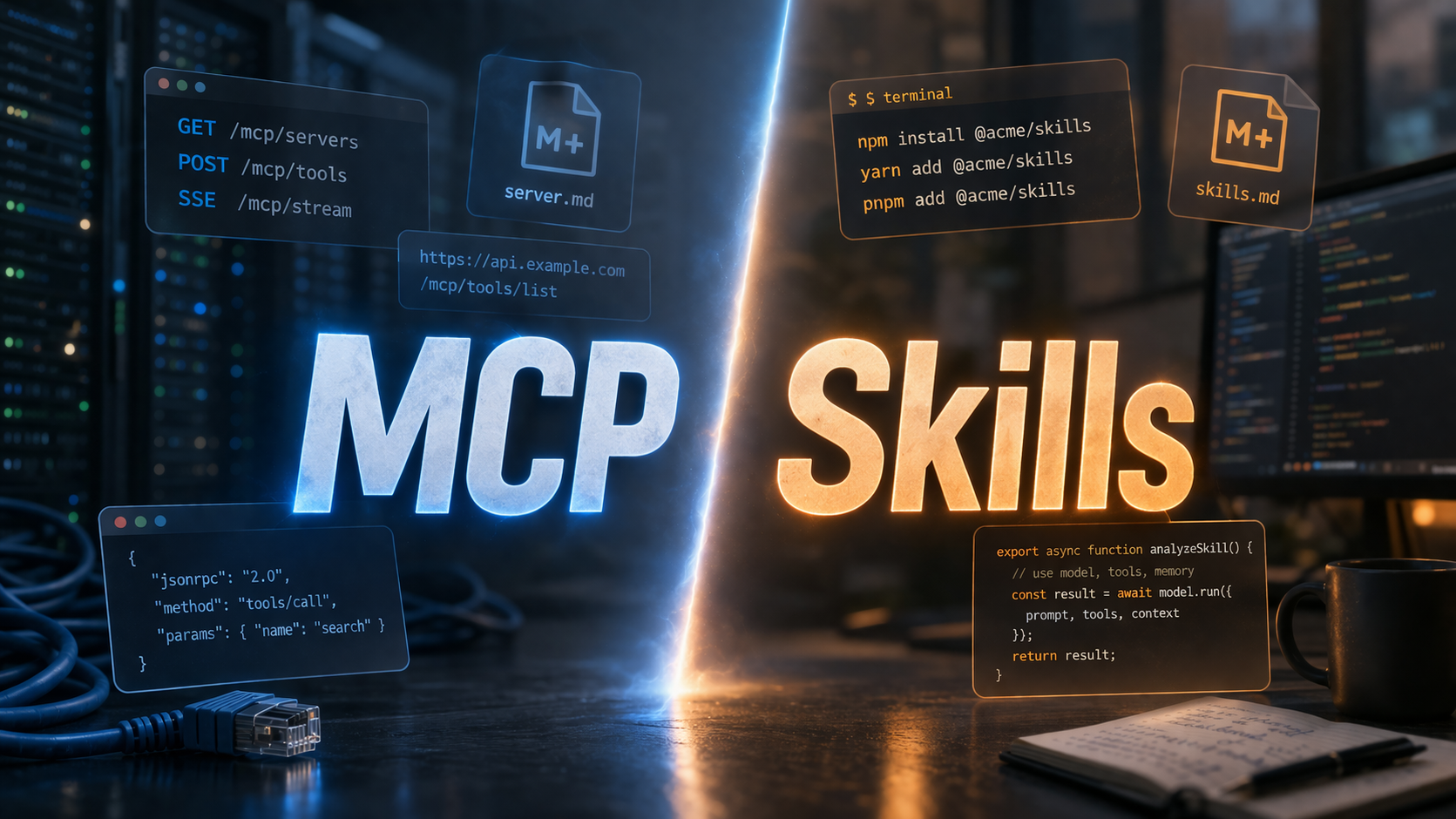
Model Context Protocol vs. Skills: A Comparison of LLM Tool Integration Approaches
The article argues that the Model Context Protocol (MCP) is superior to the emerging "Skills" trend for LLM tool integration. While Skills a
 david.coffee·1mo ago
How LLM-Assisted Coding Influences Microservices Architecture Adoption
The article discusses how LLM-assisted coding may be contributing to increased adoption of microservices architecture in software developmen
 ben.page·1mo ago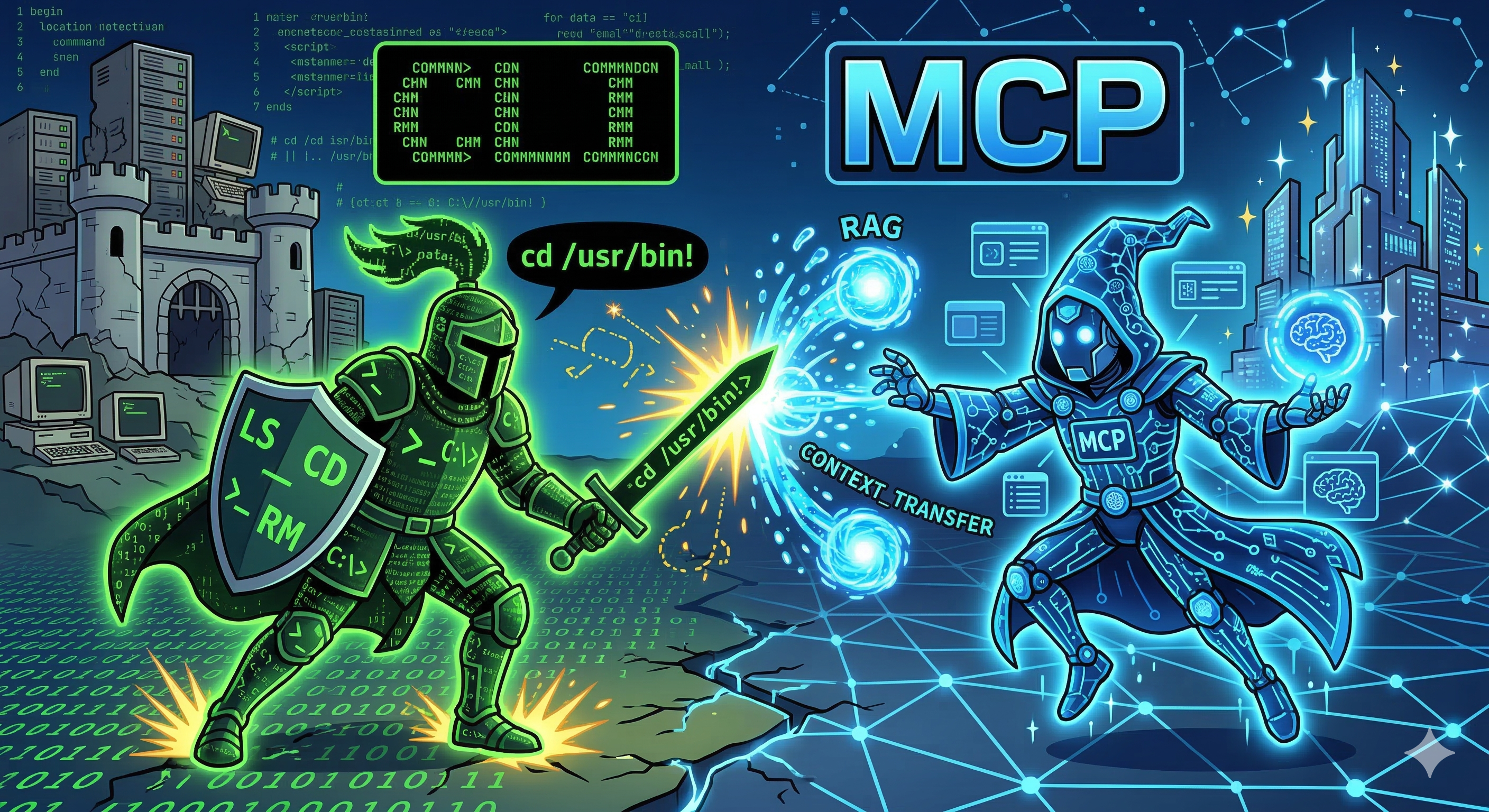
MCP Server Tool Definitions Consume Excessive Context Tokens; Apideck CLI Offers Efficient Alternative
The article discusses a significant problem with MCP (Model Context Protocol) servers where tool definitions consume massive amounts of toke
 apideck.com·2mo ago
The Unix Process Model's Mismatch with AI Agent Requirements
The article argues that Unix's process model is fundamentally mismatched with the needs of AI agents. Unix has two modes for processes (inte

Calfkit SDK: Building AI Agents as Distributed Microservices
Calfkit is an SDK for building AI agents as distributed, orchestratable microservices. It enables developers to compose agents with independ
 github.com·3mo ago
Building Agent-Native Architectures: Core Principles for AI-First Applications
This article presents a technical guide for building "agent-native architectures" - applications designed with AI agents as first-class citi
 every.to·3mo ago