





















How LLM-Assisted Coding Influences Microservices Architecture Adoption
By
jer0me

A snack-sized bagel for a snack-sized appetite.
Summary
The article discusses how LLM-assisted coding may be contributing to increased adoption of microservices architecture in software development. The author observes that LLMs naturally lend themselves to creating small, well-defined microservices with clear interfaces, which allows for easier refactoring and maintenance while keeping external contracts stable. The piece explores the relationship between AI-assisted development and architectural patterns.
Key quotes
· 3 pulledIt seems that LLM-assisted coding naturally flows towards small microservices, which the big backend uses for specific tasks.
A microservice has a very well-defined surface area. Everything that flows into the service (requests) and out (responses, webhooks) is defined explicitly.
That means that you can let an LLM rip large-scale refactors inside of the service, and as long as the contract with the outside world remains the same, the
You might also wanna read

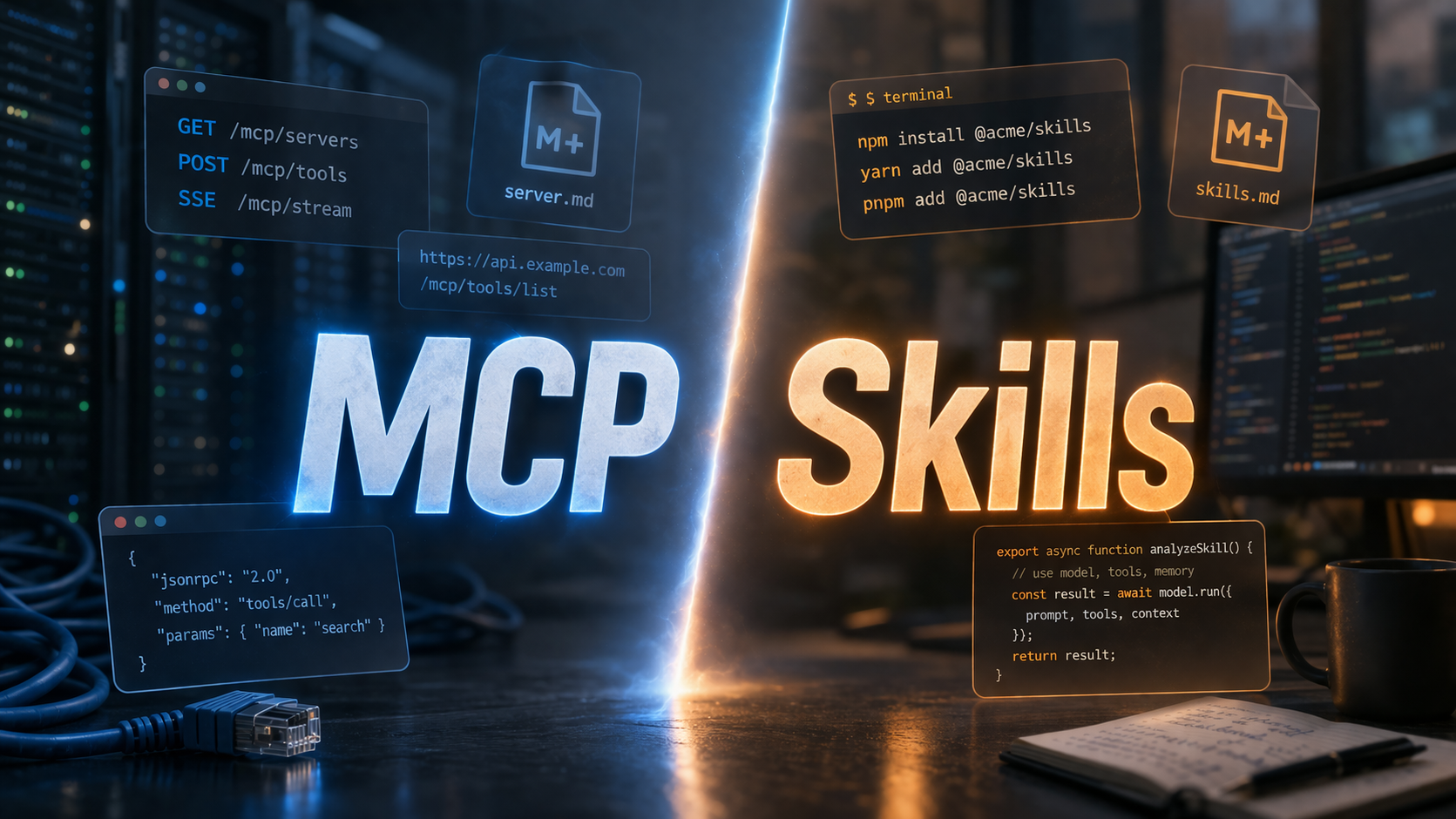
Model Context Protocol vs. Skills: A Comparison of LLM Tool Integration Approaches
The article argues that the Model Context Protocol (MCP) is superior to the emerging "Skills" trend for LLM tool integration. While Skills a
 david.coffee·1mo ago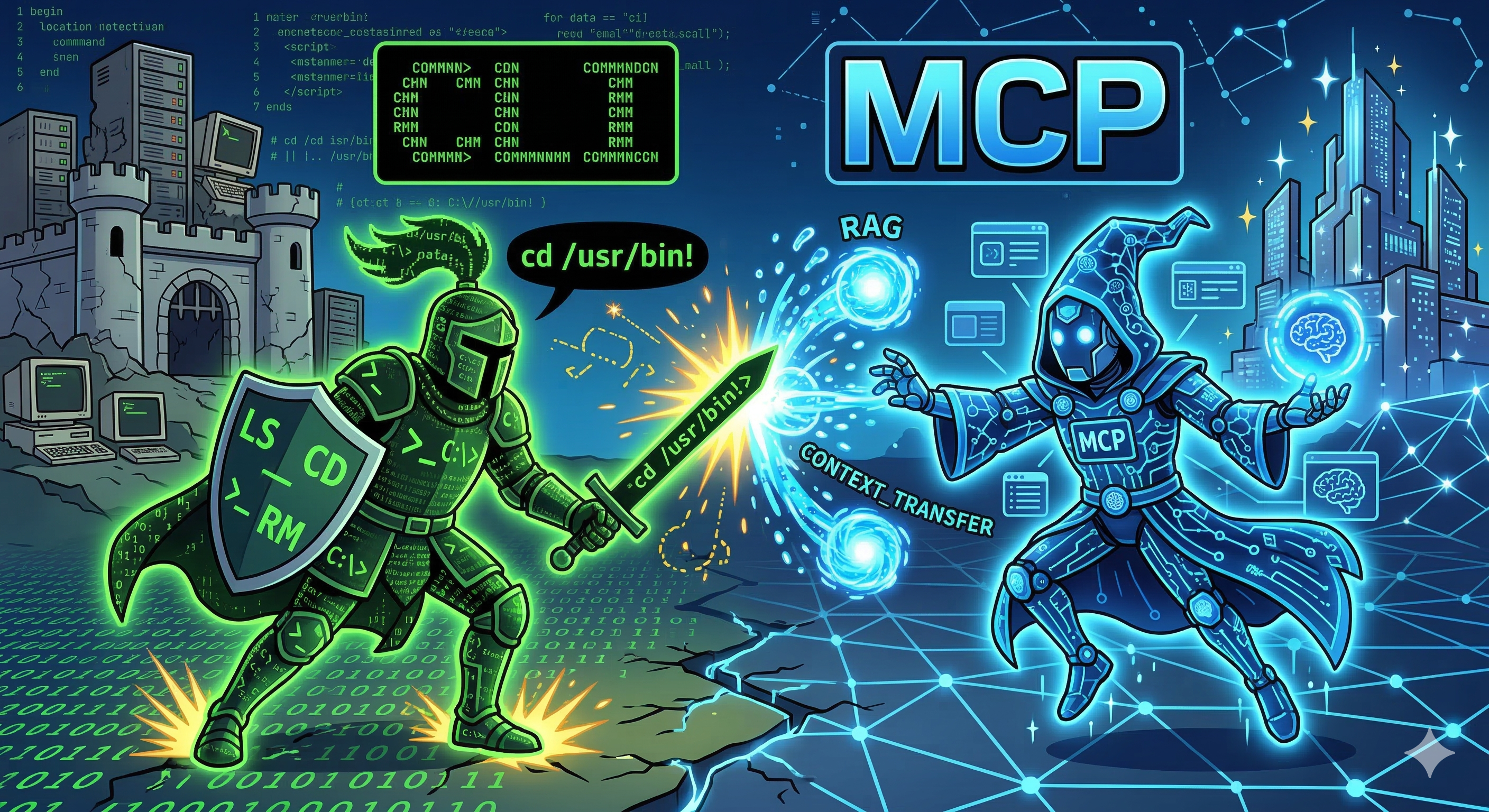
MCP Server Tool Definitions Consume Excessive Context Tokens; Apideck CLI Offers Efficient Alternative
The article discusses a significant problem with MCP (Model Context Protocol) servers where tool definitions consume massive amounts of toke
 apideck.com·2mo ago
The Unix Process Model's Mismatch with AI Agent Requirements
The article argues that Unix's process model is fundamentally mismatched with the needs of AI agents. Unix has two modes for processes (inte

How Telecom's Actor Model from 1986 Informs Modern AI Agent Architecture
The article argues that modern AI agent frameworks in Python and JavaScript/TypeScript are essentially reinventing concepts that were solved
 georgeguimaraes.com·3mo ago
Calfkit SDK: Building AI Agents as Distributed Microservices
Calfkit is an SDK for building AI agents as distributed, orchestratable microservices. It enables developers to compose agents with independ
 github.com·3mo ago
Building Agent-Native Architectures: Core Principles for AI-First Applications
This article presents a technical guide for building "agent-native architectures" - applications designed with AI agents as first-class citi
 every.to·3mo ago