





















Model Context Protocol vs. Skills: A Comparison of LLM Tool Integration Approaches
By
gmays

The bagel they save for the regulars. Don't skim, savour.
Summary
The article argues that the Model Context Protocol (MCP) is superior to the emerging "Skills" trend for LLM tool integration. While Skills are useful for teaching LLMs how to use existing tools and pure knowledge tasks, MCP provides better architectural patterns for giving LLMs actual access to services. The author contends that MCP enables building connectors rather than just more command-line interfaces, making it a more pragmatic choice for real-world LLM capabilities.
Key quotes
· 4 pulledSkills are great for pure knowledge and teaching an LLM how to use an existing tool. But for giving an LLM actual access to services, the Model Context Protocol (MCP) is the far superior, more pragmatic architectural choice.
We should be building connectors, not just more CLIs.
Maybe it's an artifact of spending too much time on X, but lately, the narrative that 'MCP is dead' and 'Skills are the new standard' has been hammered into my brain.
Why I believe the Model Context Protocol (MCP) is a better architectural pattern than the emerging 'Skills' trend for LLM tool integration.
You might also wanna read

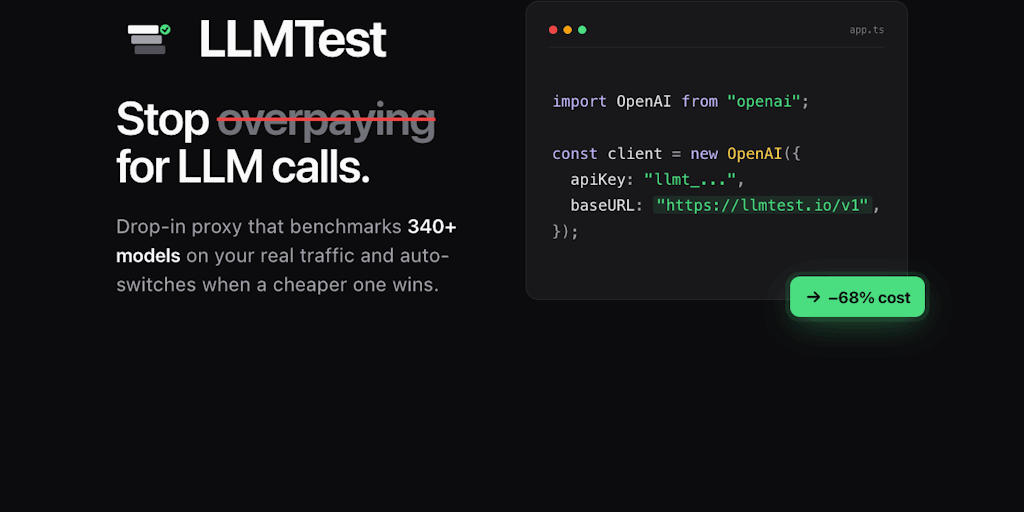
LLMTest: Automated LLM Model Selection and Fallback Tool for Developers
LLMTest is a tool created by maker Tom to help developers and "vibe coders" automatically select the best LLM models for AI-powered features
 Product Hunt·9d ago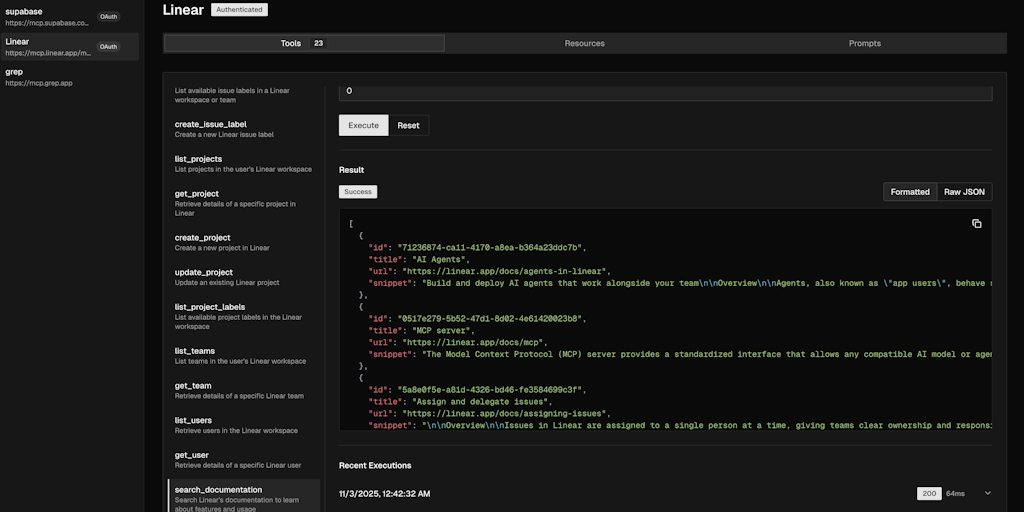
MCP Playground: Open-Source Web Tool for Testing Model Context Protocol Servers
MCP Playground is an open-source web-based developer tool for inspecting and testing Model Context Protocol (MCP) servers. It provides an in
Product Hunt·6mo ago