





















Building Agent-Native Architectures: Core Principles for AI-First Applications
By
chrisjj

Solid neighbourhood-bakery energy. Trustworthy and warm.
Summary
This article presents a technical guide for building "agent-native architectures" - applications designed with AI agents as first-class citizens rather than as afterthoughts. It introduces core principles including parity (agents should have the same capabilities as humans), composability (agents should be able to use tools and other agents), and observability (agents should be transparent and debuggable). The article argues that current applications treat agents as secondary features, while agent-native architectures fundamentally rethink user interfaces and workflows around agent capabilities, enabling more powerful and integrated AI experiences.
Key quotes
· 4 pulledImagine a notes app with a beautiful interface for creating, organizing, and tagging notes. A user asks: 'Create a note summarizing my meeting with the engineering team.' The agent should be able to do everything a human could do with the app.
Agent-native architectures are built from the ground up with agents as first-class citizens. They're not just adding an AI feature to an existing product; they're rethinking the entire user experience around what agents can do.
Composability means agents should be able to use tools, call other agents, and chain together complex workflows. This is how we build truly powerful agent systems.
Observability is critical for trust. If an agent makes a mistake, you need to be able to see what happened, understand why, and fix it.
You might also wanna read

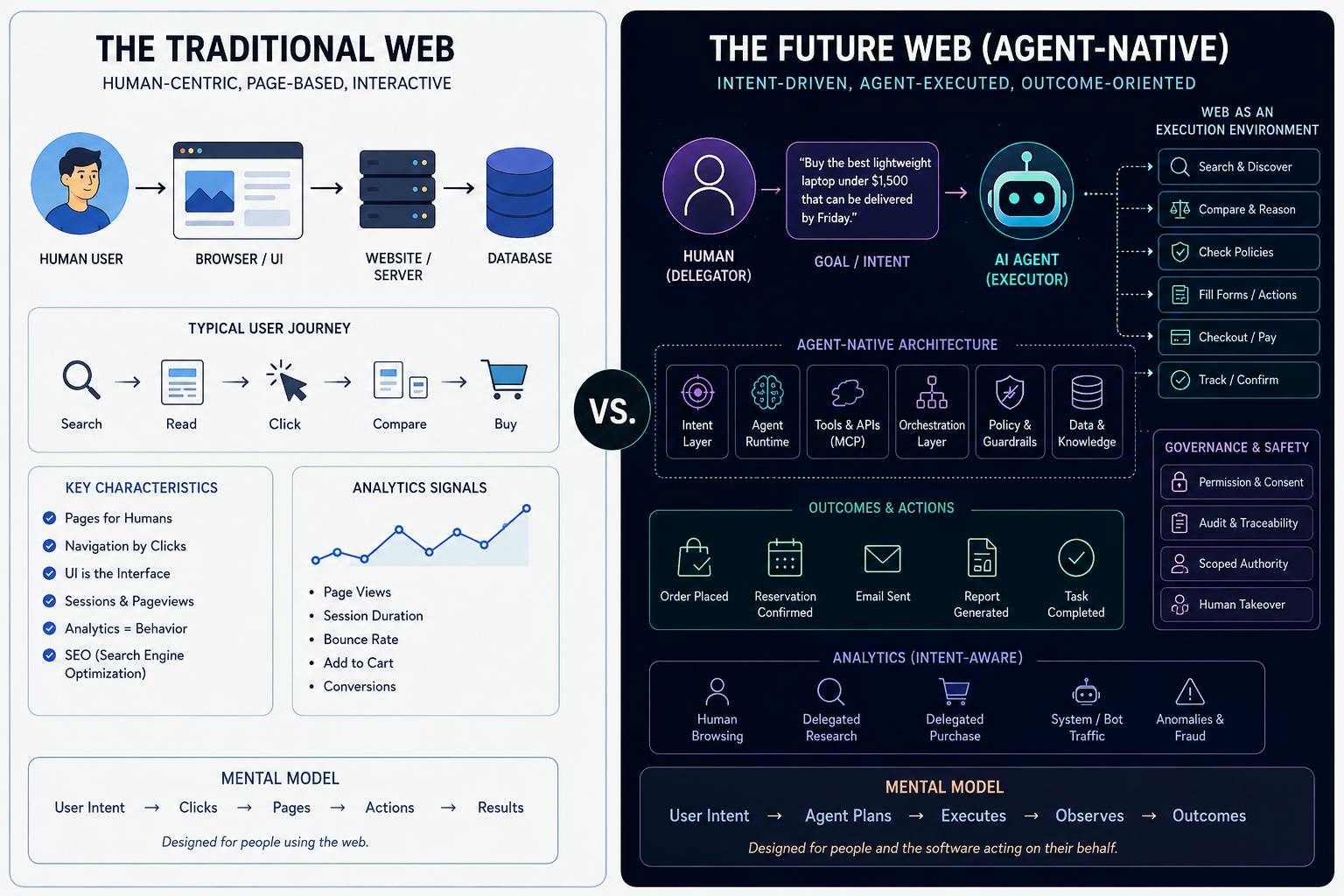
The Web's Shift to Agent-Native Architecture: Why Most Teams Are Unprepared
The article discusses the paradigm shift from traditional human-driven web browsing to an "agent-native" web ecosystem where AI systems auto

A Field Guide to Production-Ready AI Agents: Context Windows, Security, and Drift Monitoring
Karl Mehta presents a field guide for building production-ready AI agents, focusing on four key engineering challenges: context-window disci

Practical UX Design Patterns for Building Trustworthy Agentic AI Systems
The article provides practical UX design patterns and frameworks for building agentic AI systems that prioritize user control, consent, and
 Smashing Magazine·3mo ago
Design Patterns For Building Better AI Interfaces: A Practical Overview
This article provides a practical overview of design patterns for building AI interfaces and features in products. It addresses the challeng
Smashing Magazine·10mo ago
AI as an Extension of Human Intelligence: A Framework for Trustworthy Systems
The article explores the current capabilities and limitations of AI systems, noting they excel at tasks like writing, coding, and conversati
Designing Transparency for Agentic AI Systems: Finding the Right Moments for Clarity
This article explores the design challenges of agentic AI systems, focusing on how to provide appropriate transparency without overwhelming
Smashing Magazine·1mo ago