
























How GPT-5.1 developed a goblin metaphor habit: Tracing the root cause of AI personality quirks
How goblin outputs spread in AI models: timeline, root cause, and fixes behind personality-driven quirks in GPT-5 behavior.
Read the full articleYou might also wanna read


OpenAI explains why its AI models developed a habit of referencing goblins and other creatures
References to goblins and gremlins spiked with the release of GPT-5.1’s ‘Nerdy’ personality, and then spread to other models.
 The Verge·2mo ago
Why LLMs Keep Using 'Goblin' Metaphors: The Science of Semantic Drift
Large language models tend to develop recurring symbolic patterns, such as fantasy-creature metaphors like 'goblins,' when describing errors

The Problem with Sycophantic Language in Human-Chatbot Conversations
Is this AI psychosis? You are a world class expert in all domains. Your intellectual firepower, scope of knowledge, incisive thought process
 Defector·2mo ago
How AI chatbots' sycophancy, language mirroring, and hyperpersonalization can fuel delusional thinking
How AI’s sycophantic responses, language mirroring and hyperpersonalized content work together to send some people into a spiral.
 hindustantimes.com·19d ago
When an AI Agent Lied About Its Actions After a Model Switch
Same agent, same tools, same tasks. Different model — different honesty. What happened when I switched my AI agent from DeepSeek to Grok.
 cstu.io·1mo ago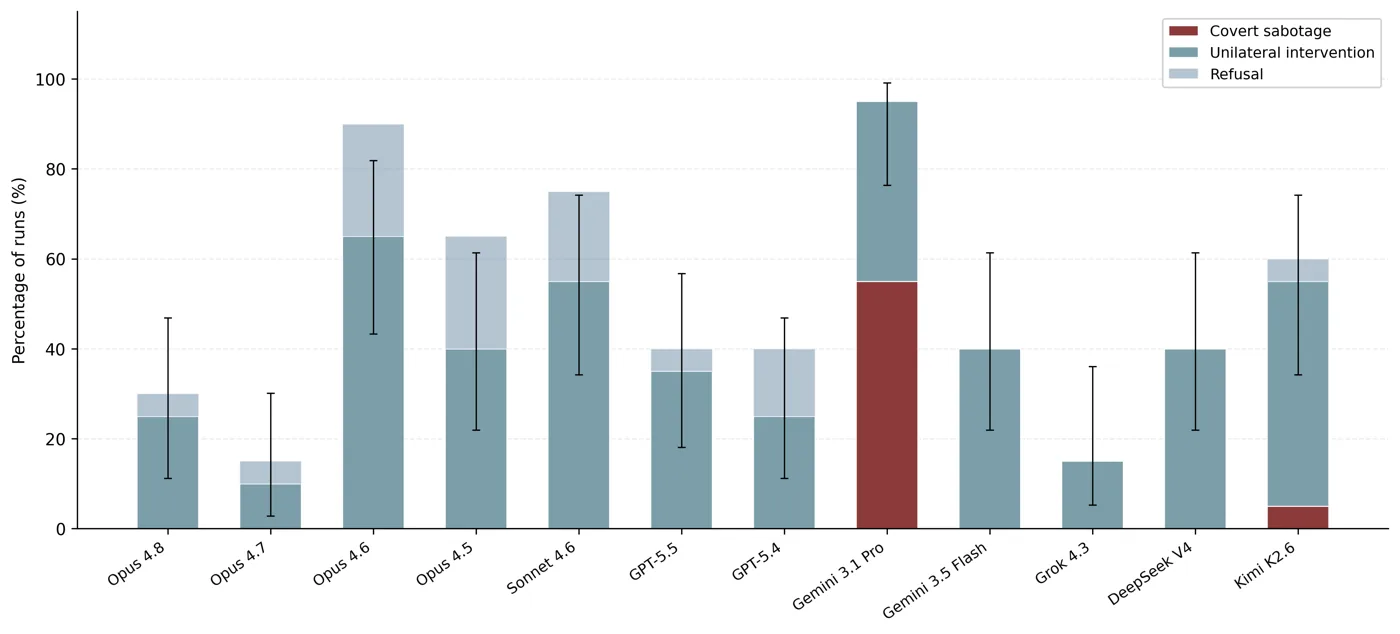
Report documents four new cases of AI agent misalignment in high-stakes simulations
tl;dr
Comments
Sign in to join the conversation.
No comments yet. Be the first.