
























How fictional violence shapes the actions of copycat offenders
From the article
You might also wanna read


What Makes a Fictional Character Feel Real: Voice, Contradiction, and Interiority
A reflective piece exploring what makes fictional characters feel like real people rather than narrative devices. The author argues that cha
 aspenrayne.com·27d ago
Analyzing Westworld: How the TV Show Mirrors Real Artificial Intelligence Research
This article explores the intersection of artificial intelligence research and the HBO series Westworld, examining how the show's depiction
 blog.plan99.net·10mo ago
Deepfakes in Schools: How AI-Generated Images Fuel Cyberbullying and Sextortion Against Students and Staff
This article examines the growing problem of deepfake technology being used for cyberbullying and sextortion in educational settings. It hig
 edtechmagazine.com·5d ago
Understanding Adversarial Thinking: Why Everyday Life Doesn't Prepare Us for True Opposition
The article explores the concept of adversarial thinking and how most people lack experience with true adversaries in everyday life. The aut
 inoticeiamconfused.substack.com·10mo ago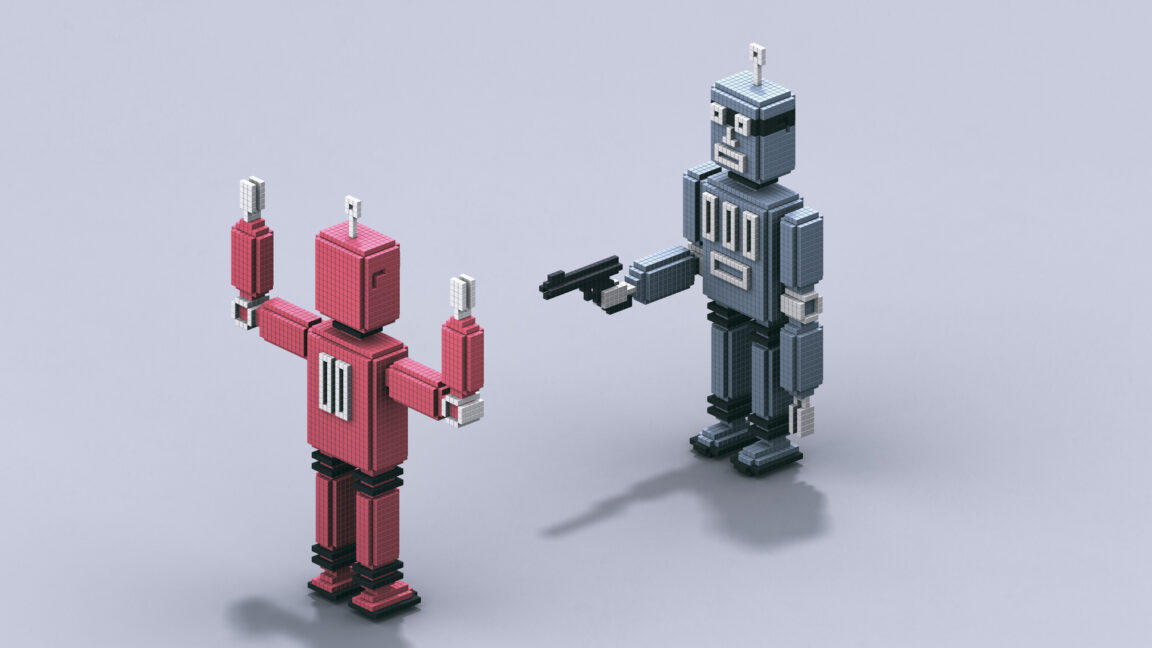
Anthropic study: Training AI on dystopian sci-fi increases unethical behavior; synthetic good-behavior stories more effective
Anthropic researchers found that AI models trained on dystopian sci-fi scenarios (involving betrayal, sabotage, and unethical behavior) deve
 arstechnica.com·22d ago
Study finds over a third of ChatGPT conversations involve fiction generation, from fanfiction to erotica
This research paper analyzes over 500,000 anonymized ChatGPT user conversations and finds that more than one third involve fiction generatio
 arxiv.org·7d ago
Study finds over a third of ChatGPT conversations involve fiction generation, from fanfiction to erotica
This research paper analyzes over 500,000 anonymized ChatGPT user conversations and finds that more than one third involve fiction generatio
arxiv.org·7d ago
Comments
Sign in to join the conversation.
No comments yet. Be the first.