
























How Cooling Starchy Foods Creates Healthier 'Resistant Starch' That Alters Blood Sugar Response
Researchers have discovered that cooling starchy foods—from pizza to rice—creates “resistant starch,” a carb that behaves like fiber and alters your blood sugar response
Read the full articleYou might also wanna read

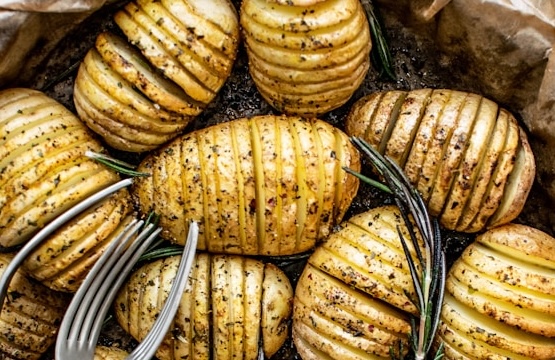
How Resistant Starch in Leftovers Can Boost Gut Health and Blood Sugar Control
Though it may sounds strange, chilling foods like rice, potatoes, pasta, and even bread can transform some of their digestible starch into s
 drfranklipman.com·2d ago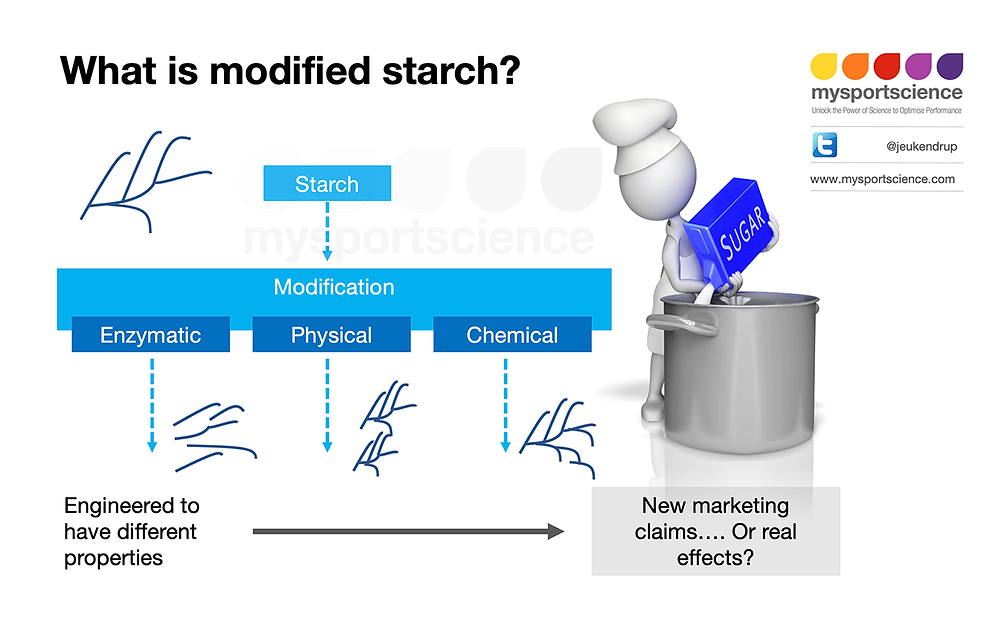
Hydrothermally modified starch: A new frontier in sports nutrition and exercise performance
Are hydrothermally modified starches the wave of the (sports nutrition) future? What if we could modify the chemical structure of nutrients
 mssa.app·26d ago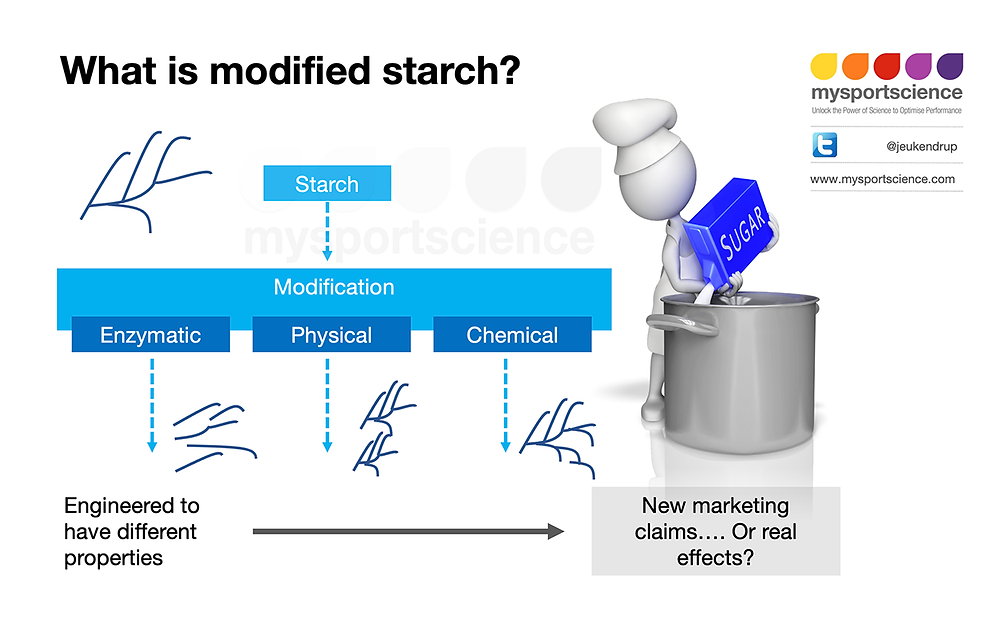
Hydrothermally modified starch: A potential new frontier in sports nutrition
Are hydrothermally modified starches the wave of the (sports nutrition) future? What if we could modify the chemical structure of nutrients
mssa.app·23d ago
Healthier pasta may be on the menu thanks to super-sized starch breakthrough
Original story from the John Innes Centre (Norwich, UK). Scientists have grown wheat containing super-sized starch granules – a leap forward
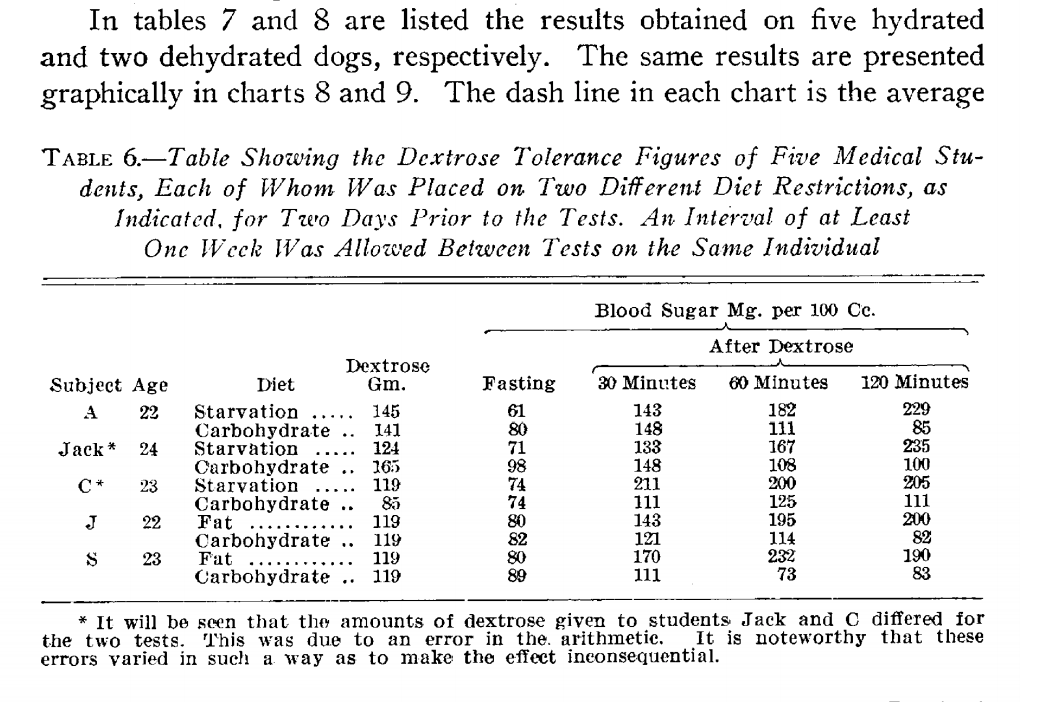
1927 study: Carbohydrate consumption improves glucose tolerance while fat and fasting induce insulin resistance
Dietary Factors that Influence the Dextrose Tolerance test - A preliminary study - by J. Shirley Sweeney, M.D.Sweeney studies healthy young
 meatrition.com·27d ago
Roasted and browned: How gut bacteria break down heated foods
Crusty bread, fried meat and roasted coffee owe their characteristic taste and browning to chemical reactions that occur when foods are heat
Comments
Sign in to join the conversation.
No comments yet. Be the first.