





















Bread as Survival, Law, and Faith in Medieval Europe
By
Matthew McIntosh

Crackling crust, pillowy middle. The kind of bagel that earns a second cup of coffee.
Summary
This article explores the profound role of bread in medieval European society, arguing it was far more than sustenance. It examines how bread represented labor made edible, law made measurable, faith made visible, and the daily struggle for survival. The piece covers bread's centrality to social hierarchy (white bread for the wealthy, dark bread for peasants), its regulation through assizes of bread laws, its role in religious ritual (the Eucharist), and how grain shortages and famines shaped medieval life. It also discusses the economics of bread production, from farming to milling to baking, and how bread served as a measure of social order and stability.
Key quotes
· 3 pulledIn medieval Europe, bread was never just food. It was labor made edible, law made measurable, faith made visible, and survival shaped into a daily loaf.
Bread was not a side dish. It was the daily measure of survival, the food by which hunger was postponed, labor was made possible, and social order was maintained.
The color of one's bread was a direct reflection of one's place in the social hierarchy.
You might also wanna read


Pre-Modern Peasant Agriculture: Rent Systems and Economic Extraction in Historical Context
This article is part of a comprehensive series examining pre-modern peasant life, focusing specifically on agricultural rent systems and eco
 acoup.blog·9mo ago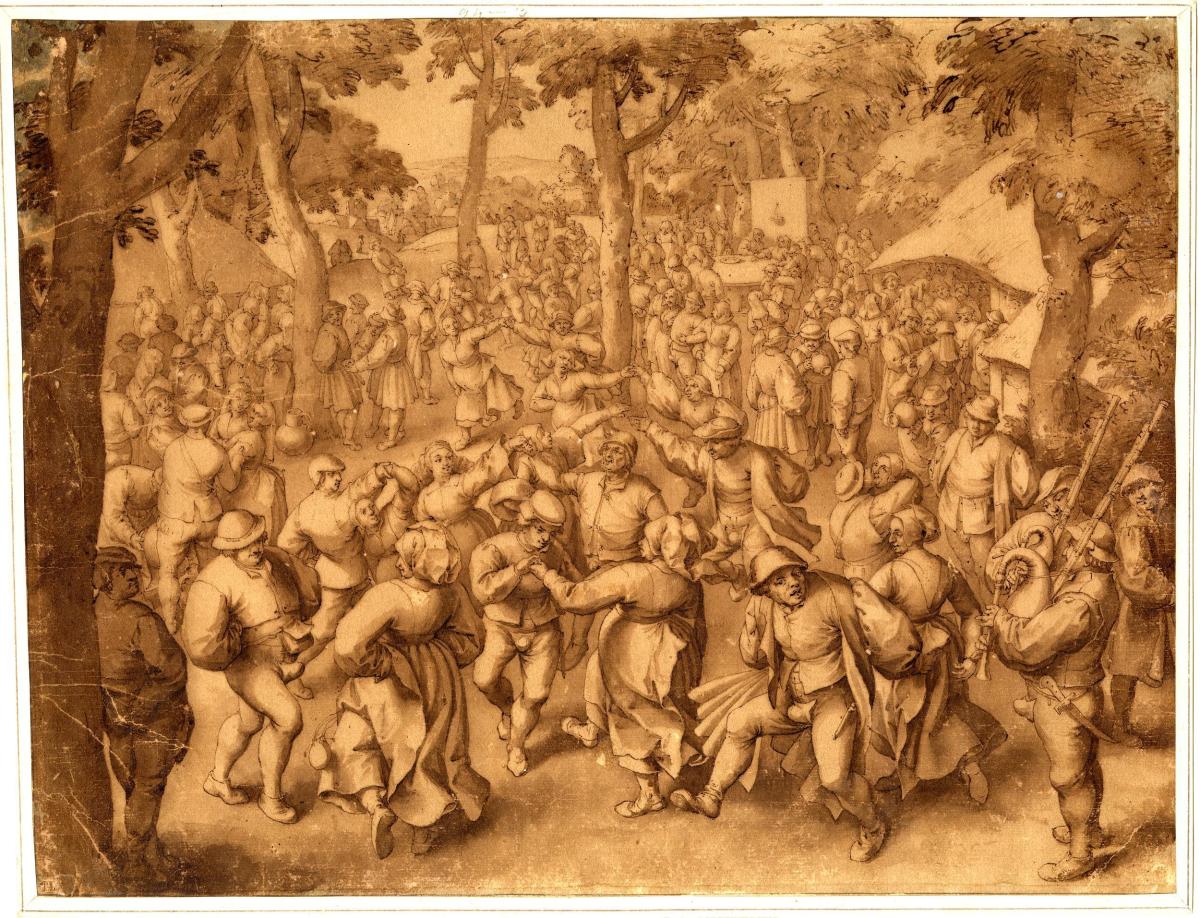
Life, Work, Death and the Peasant: Part V - Life In Cycles
This is the fifth and final installment of a comprehensive series examining the life structures of pre-modern peasant farmers through histor
acoup.blog·7mo ago
Historical Accounts of Korea's Abundant Food Culture Through the Centuries
This article explores the historical tradition of massive meals in Korea, using the 1592 Japanese invasion as a starting point to illustrate
 atlasobscura.com·8mo ago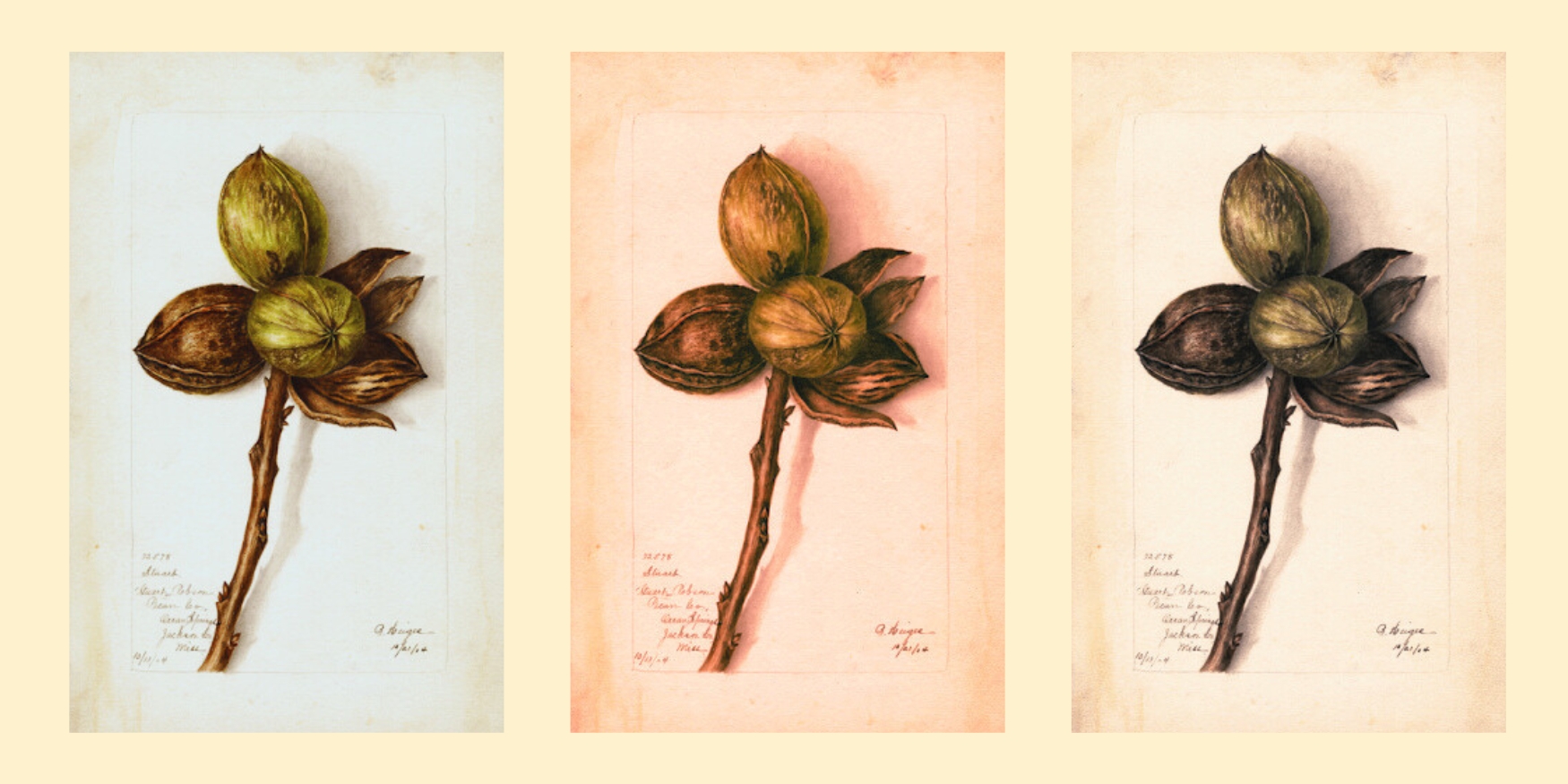
How an Enslaved Gardener's Grafting Technique Created the Commercial Pecan Industry
The article explores the history of the pecan industry in the United States, focusing on how an enslaved gardener named Antoine developed a
 lithub.com·3mo ago
How Capitalism Hijacked Our Food System and Engineered Our Cravings
The author shares a personal journey of overcoming food addiction and weight issues, using this experience to explore how capitalism has tra
 hi-im-ada.beehiiv.com·8mo ago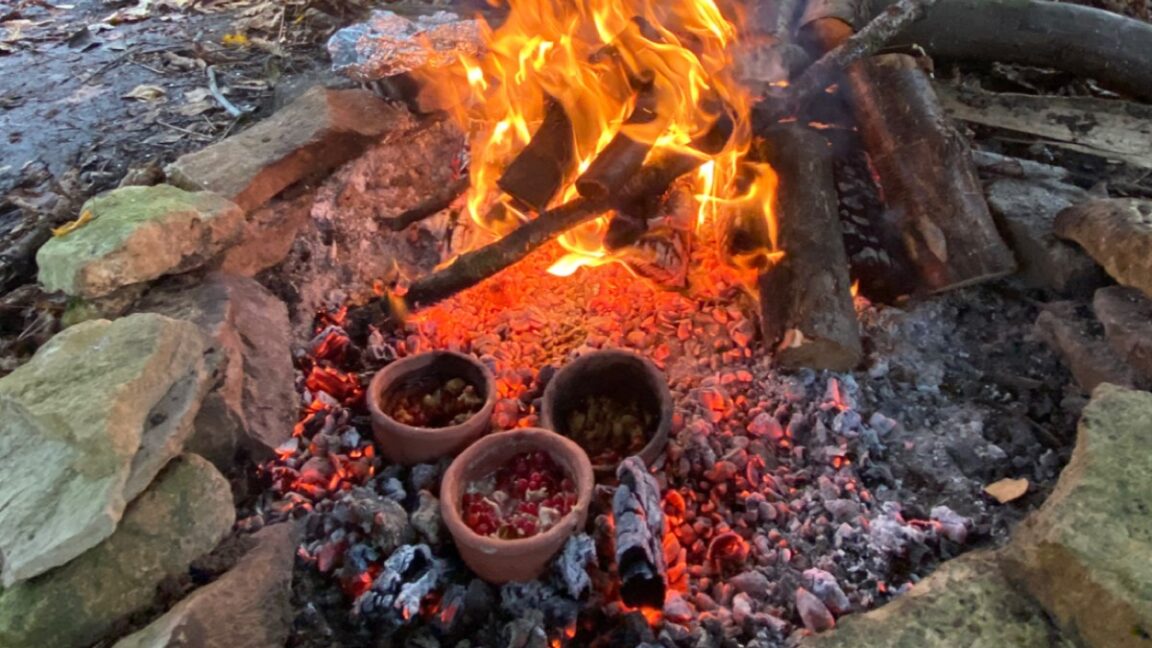
Archaeological Study Reveals Complex Plant-Based Diets of Prehistoric Europeans Through Pottery Residue Analysis
Archaeological research analyzing pottery residues from prehistoric European sites reveals complex plant-based diets and cooking practices.
 arstechnica.com·3mo ago