
























New lithium extraction process from MIT startup could lower costs and emissions
The article covers a new lithium extraction process developed by MIT professor Yet-Ming Chiang and commercialized by startup Rock Zero. The method aims to extract lithium from brine more efficiently than current techniques, potentially cutting costs and carbon emissions. Current methods — evaporation ponds from brine and hard-rock mining — are geographically limited or environmentally intensive. The new process could unlock more accessible, lower-cost lithium production critical for batteries and the clean energy transition.
Key quotes
At scale, we believe this will be the lowest-cost way of sourcing lithium in the world
The most economical way to get lithium currently is to extract it from brine, salty water that's pulled the metal out of rock over the course of millennia
From the article
You might also wanna read


Using combustion to make lithium-ion batteries

Momentum Technologies chooses Aquatech process for battery material refining
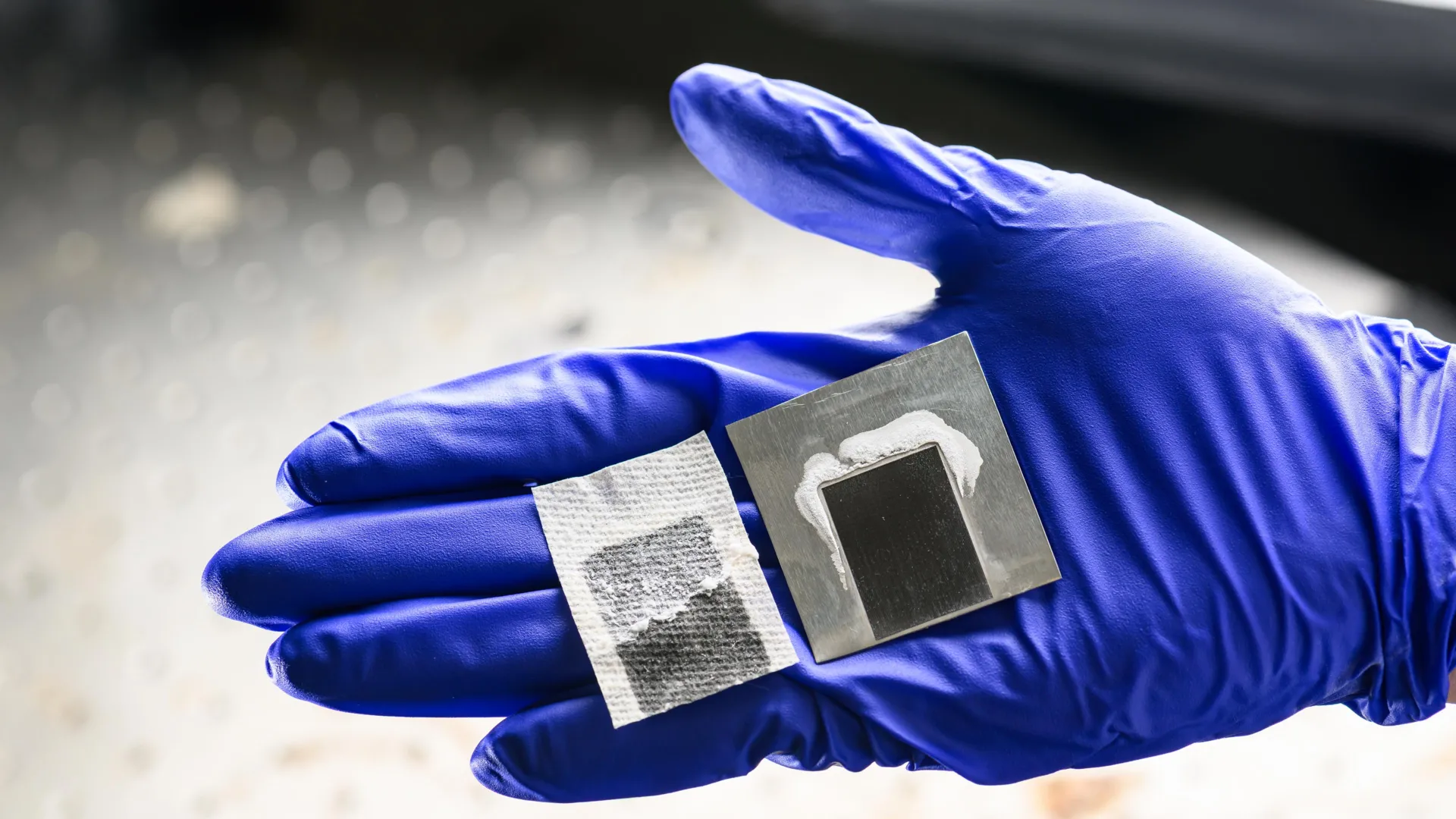
Solar desalination system eliminates toxic brine while producing fresh water
Scientists have developed a solar-powered desalination system that converts seawater into fresh water without producing toxic brine, a major
Solar desalination system eliminates toxic brine while producing fresh water
Scientists have developed a solar-powered desalination system that converts seawater into fresh water without producing toxic brine, a major

Move Over, Lithium: Why Sodium-Ion Batteries Are the Big Story of 2026

Via Separations: MITEI spin-off takes aim at industrial decarbonization

MIT Lab Develops Geolectric Lantern Using Sustainable Geopolymer Materials
MIT Design Intelligence Lab has created Geolectric, a minimalist lantern that explores alkaline-based geopolymers as a sustainable alternati
 Dezeen·7mo ago
Comments
Sign in to join the conversation.
No comments yet. Be the first.