
























A Beginner's Guide to Profiling in PyTorch with torch.profiler
By
Aritra Roy Gosthipaty, Sayak Paul, Sergio Paniego, Rémi Ouazan Reboul, Pedro Cuenca
Summary
A beginner-friendly guide to using PyTorch's torch.profiler for performance optimization. The article explains why profiling is essential for understanding and improving model performance (whether for LLM token throughput, inference speed, or training loop efficiency), acknowledges the steep learning curve of profiling tools, and aims to demystify the process for newcomers. It's part of a series on profiling in PyTorch.
Source
 Twitter / XA Beginner's Guide to Profiling in PyTorch with torch.profilerhuggingface.co
Key quotes
· 3 pulledWhat you cannot profile, you cannot optimize.
Whether you are trying to squeeze more tokens per second out of a Large Language Model (LLM), shave milliseconds off inference, or just understand why your training loop runs slower than the spec sheet promises, the path eventually runs through profiling.
The catch is that profiling has a steep on-ramp. The traces are dense walls of colored rectangles. The events carry intimidating names. Most tutorials assume you can already read them.
You might also wanna read

Exploring TorchLeet: Enhancing PyTorch Skills with Practice Problems
TorchLeet offers a collection of PyTorch practice problems and a new set focused on Large Language Models (LLMs) to enhance deep learning an
github.com·11mo ago

Torchcomms: New Experimental Communication API for PyTorch Distributed Training at Scale
Torchcomms is a new experimental, lightweight communication API designed for PyTorch Distributed (PTD) that aims to enable large-scale model
 pytorch.org·8mo ago
Keys and Caches: Open-Source Tool for Simplified AI Model Performance Analysis
Keys and Caches is an open-source developer tool that simplifies AI model performance analysis by providing unified GPU insights directly co
 Product Hunt·10mo ago
Introducing tprof: A Targeted Profiler for Python Performance Optimization
The article introduces tprof, a targeting profiler for Python that addresses the inefficiency of traditional profilers when optimizing speci
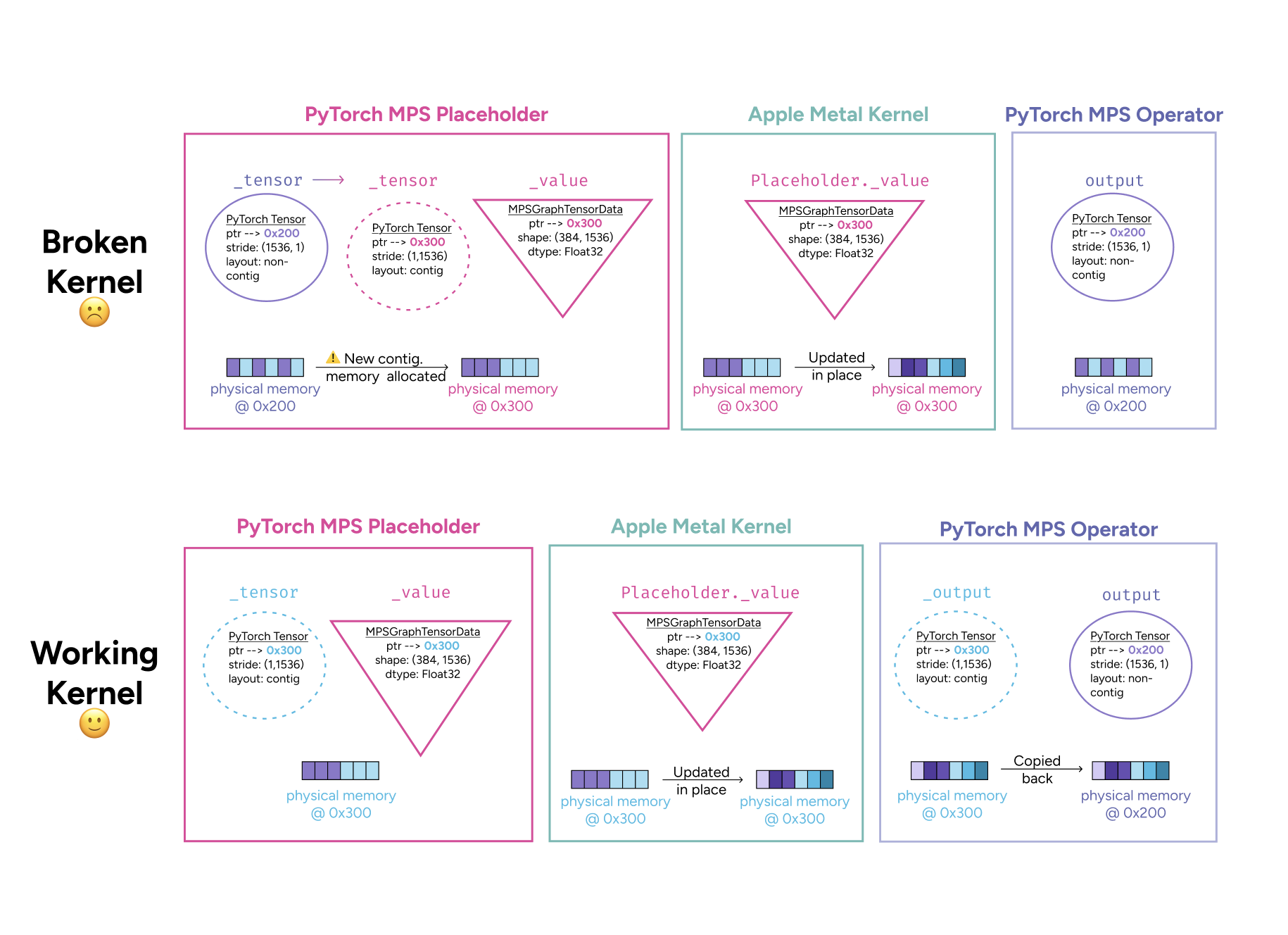
Debugging a PyTorch Bug: How a Training Loss Plateau Revealed Deep Framework Insights
A developer shares their experience debugging a training loss plateau in PyTorch that they initially assumed was their own mistake with hype
 elanapearl.github.io·8mo ago
Optimizing Performance in Futhark: The Role of Profiling Tools
The article discusses the challenges of optimizing performance in the Futhark programming language, a high-performance, purely functional da
futhark-lang.org·10mo agoComments
Sign in to join the conversation.
No comments yet. Be the first.