

























NASA Explains the 2021 Summer Solstice and Earth's Axial Tilt
By
NASA
Summary
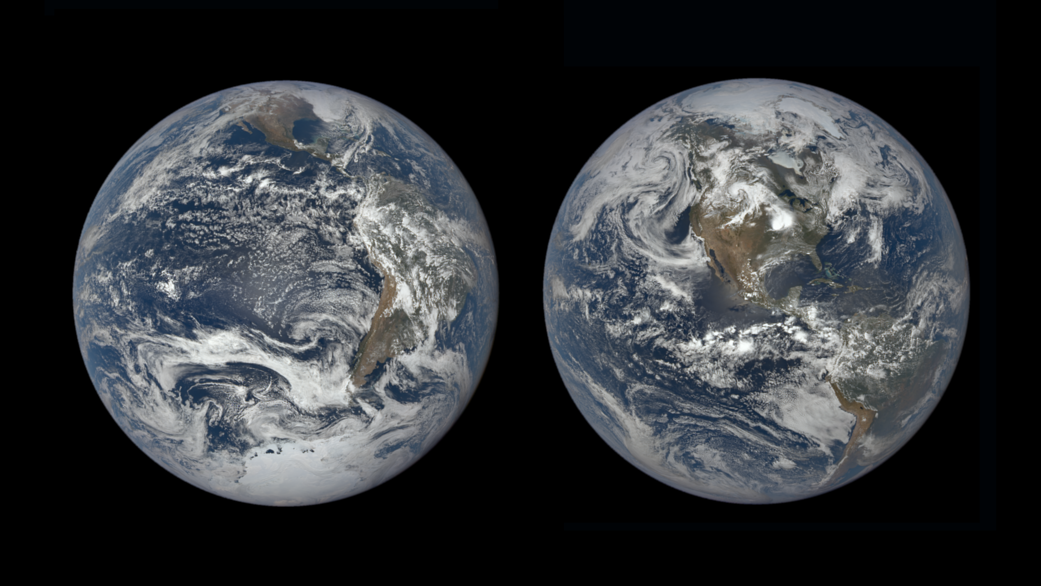
NASA explains the summer solstice occurring on June 20, 2021, in the Northern Hemisphere. The article describes how Earth's axial tilt causes seasons, with the Northern Hemisphere tilted toward the Sun during summer and away during winter. Solstices occur twice yearly at the points where this tilt is most pronounced, resulting in the longest day of the year in the summer hemisphere.
Source
 Twitter / XNASA Explains the 2021 Summer Solstice and Earth's Axial Tiltgo.nasa.gov
Key quotes
· 3 pulledJune 20, 2021, marks the summer solstice — the beginning of astronomical summer — in the Northern Hemisphere.
Earth orbits at an angle, so half the year, the Northern Hemisphere is tilted toward the Sun — this is summer in the Northern Hemisphere, and winter in the Southern Hemisphere.
Solstices happen twice per year, at the points in Earth's orbit where this tilt is most pronounced.
You might also wanna read

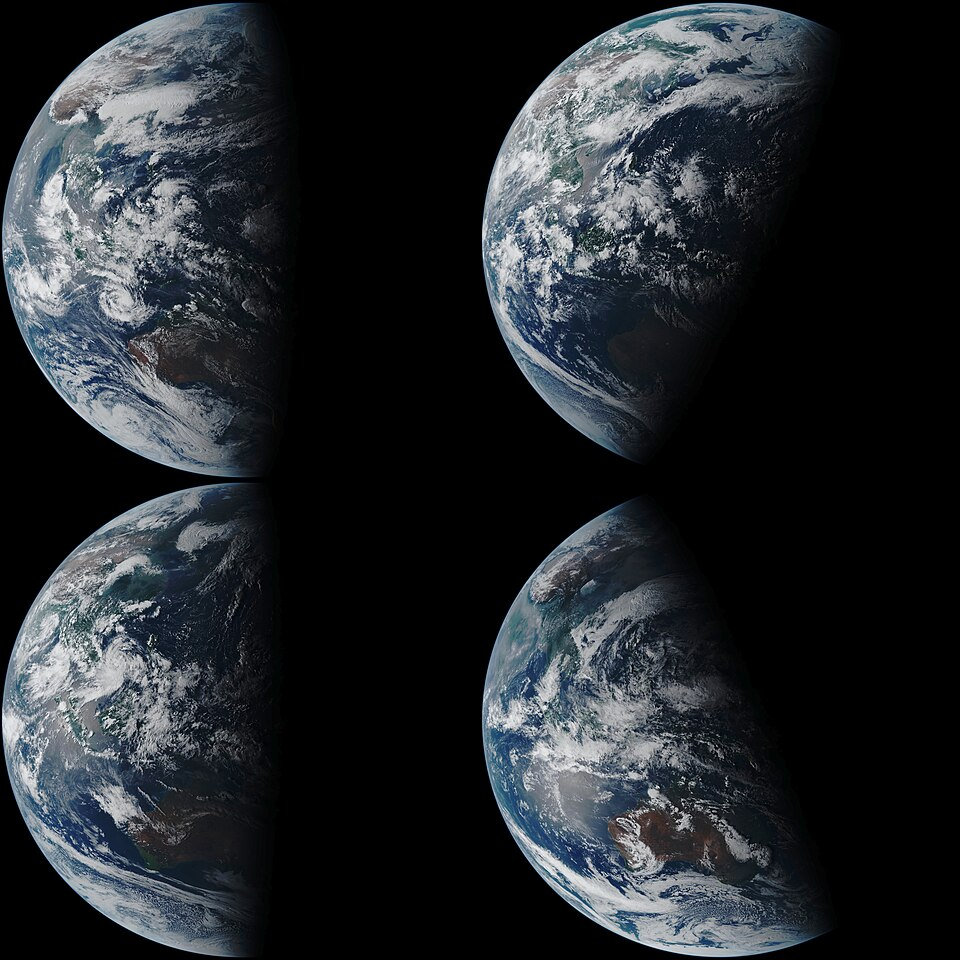
What Causes Earth's Seasons: The Science Behind the Solstice
This article explains the astronomical reason for Earth's seasons, debunking the common misconception that seasons are caused by Earth's dis
 amidthestarstours.com·5d ago
Hackaday Links: Summer Solstice Roundup — June 21, 2026
A brief Hackaday Links roundup noting the summer solstice (June 21, 2026) and its implications for daylight hours, with a lighthearted nod t
 hackaday.com·34m ago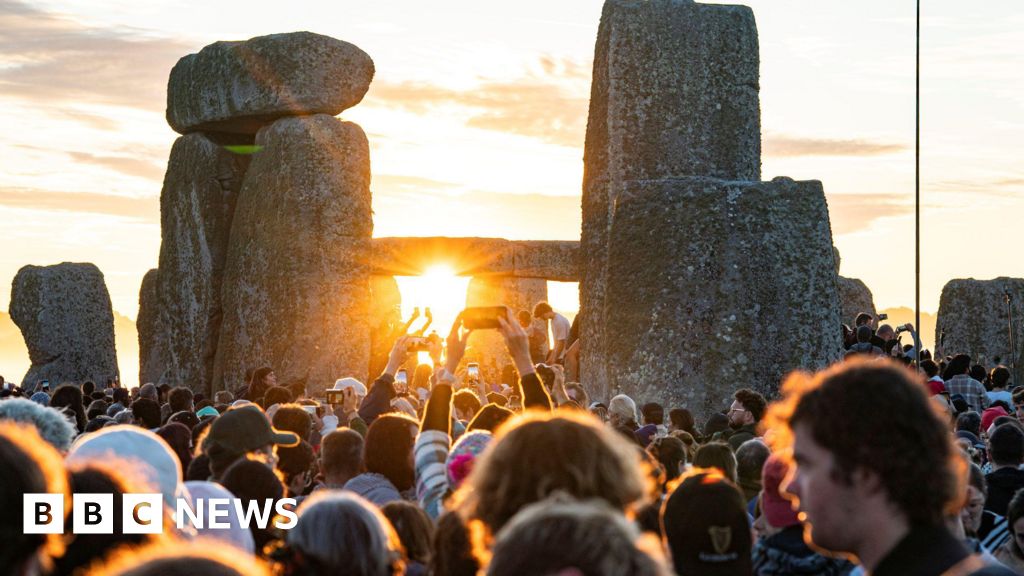
Thousands across the UK gather to celebrate summer solstice sunrise
Thousands gathered across the UK to celebrate the summer solstice, with over 20,000 people at Stonehenge in Wiltshire and others at beaches
 bbc.co.uk·11h ago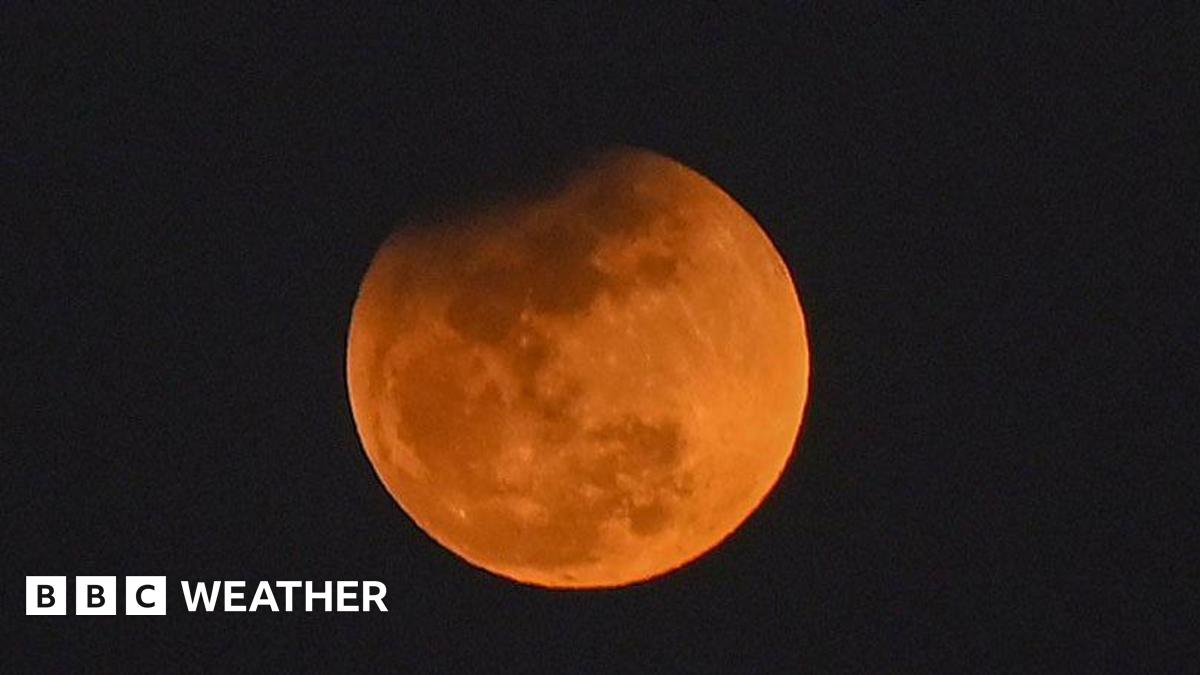
Seven notable night sky events to observe this summer
A guide to notable night sky events visible during the summer months, including a total solar eclipse (which occurs roughly every 18 months
 bbc.co.uk·15d ago
El Niño declared: What it means for Australia's winter and spring climate
The Bureau of Meteorology reports that the El Niño–Southern Oscillation (ENSO) has entered an El Niño phase as of June 2026. El Niño events
 bom.gov.au·5d ago
NOAA declares El Niño for 2026 as Pacific Ocean warms
NOAA has officially declared El Niño conditions for 2026, confirming the development of a new phase of the ENSO cycle in the tropical Pacifi
 metoffice.gov.uk·9d ago