
























Grid Printed Back Glass for Bifacial Solar Modules
Unknown ([email protected])7mo ago
From the article
Grid Printed Back Glass for Bifacial Solar Modules: Complete 2025 Guide (Benefits, Materials, Technology, Reliability & Applications) Introduction Bifacial solar modules have become one of the most influential advancements in modern photovoltaic technology. They generate power from both the front and rear sides, significantly increasing energy yield compared to traditional monofacial modules. While cell technology plays a major role in bifaciality, rear-side optical design is equally important — and this is where Grid Printed Back Glass emerges as a high-performance innovation. Grid printed back glass is a specially engineered rear glass sheet with printed conductive, reflective, or patterned grids. These printed grids optimize the module’s optical performance, aid electrical routing for back-contact cell technologies, and enhance overall system aesthetics. In this long-form article, we explore every aspect of grid-printed back glass, including its structure, materials, benefits, manufacturing processes, reliability parameters, installation considerations, and its growing importance in utility-scale, rooftop, and architectural solar applications. What Is Grid Printed Back Glass? Grid printed back glass refers to rear-side solar glass used in bifacial PV modules that includes screen-printed patterns , typically in the form of: White or reflective ceramic grids Metallic/conductive printed lines Optical scattering patterns Aesthetic patterns for building-integrated PV The printed layer is applied directly onto the rear glass surface using high-precision printing technologies such as screen printing, digital printing, or pad printing. Purpose of the Printed Grid The printed patterns serve three primary functions: Optical Enhancement To reflect or scatter light onto the solar cells, boosting rear-side generation. Electrical Functionality To support back-contact or conductive-adhesive-based cell interconnection. Aesthetic Value To provide uniform and visually appealing designs for rooftop or façade installations. Why Bifacial Modules Need Rear-Side Optimization Bifacial modules rely on albedo —the light reflected from the ground or surroundings. The amount of rear-side energy gain depends on: Rear glass transparency Module height from ground Ground surface reflectivity Rear materials’ optical behavior Shading and racking design By integrating printed grids on rear glass, manufacturers can significantly manipulate how incident light behaves, converting previously lost photons into additional electricity . Types of Grid Printed Back Glass Grid printed back glass varies based on purpose and cell technologies. 1. Reflective Ceramic Grid Prints These grids use high-reflectance ceramic inks to scatter or bounce more light back toward the solar cells. Benefits: Higher rear-side irradiance Lower rear optical losses Improved energy yield in low-albedo sites 2. Conductive Grid Prints Used primarily in advanced cell architectures like: IBC (Interdigitated Back Contact) HJT (Heterojunction with Back Contact) TBC (Top-Conductive Back Contact) These conductive lines help route current without traditional soldered ribbons. 3. Aesthetic Printed Grids Common in architectural or premium rooftop systems where appearance is important. Examples include: All-black printed dot patterns Symmetric grid prints Custom graphic textures 4. Mixed-Function Grids Some rear glasses combine both optical and electrical features in the same layer. Materials Used in Grid Printing The performance and durability of printed grids depend heavily on the materials used. 1. Solar-Grade Tempered Glass Low-iron composition High optical clarity Excellent UV and chemical resistance Tempered for strength and safety 2. Ceramic Inks Used for optical patterns: High reflectance UV-stable Weather-resistant Permanent after firing 3. Conductive Metallic Inks For electrical grids: Silver, copper, or hybrid metal formulations High conductivity Precisely engineered viscosity for screen printing Designed for long-term reliability 4. Encapsulants Between cells and back glass: EVA (Ethylene-Vinyl Acetate) POE (Polyolefin Elastomer) New-generation PID-resistant encapsulants The interaction between printed inks and encapsulants is crucial for module durability. Benefits of Grid Printed Back Glass for Bifacial Modules 1. Significant Increase in Rear-Side Energy Gain Reflective patterns bounce light back toward the solar cells, improving: Rear irradiance Bifaciality factor Total energy yield Actual gain depends on site conditions, but typically ranges between 3% to 12% extra annual output . 2. Enhanced Electrical Routing for Back-Contact Cells For next-generation technologies: IBC HJT-BC TOPCon-BC Printed conductive grids reduce: Interconnection complexity Soldering points Mechanical stress This also improves module reliability. 3. Improved Aesthetic Appeal Consumers increasingly demand elegant solar modules. Printed grids offer: Uniform black rear finish Designer textures Minimal visible busbars Seamless architectural integration Ideal for: Residential rooftops Commercial buildings Solar facades 4. Better Light Management in Low-Albedo Environments Even dark surfaces like soil or concrete benefit when rear reflectivity is improved artificially through printed grids. 5. Weight Reduction in Certain Designs When used with: Thin glass Transparent backsheets Manufacturers can create lightweight bifacial modules without compromising performance. 6. Cost Efficiency Over Advanced Ribbons Conventional multi-busbar or round-wire ribbons add cost. Printed conductive grids can: Replace ribbon assembly Reduce BOM Reduce labor costs 7. Long-Term Durability Ceramic inks are baked into the glass, making them: UV-resistant Scratch-proof Moisture-resistant This adds decades of durability. Comparing Grid Printed Back Glass With Other Rear-Side Technologies Feature Grid Printed Back Glass Plain Glass (Glass–Glass) Transparent Backsheet Rear Energy Gain High Medium Medium-High Weight Medium High Low Aesthetics Excellent Average Good Conductive Routing Possible Limited Possible Cost Medium Medium Low Durability Excellent Excellent Good Testing and Reliability Standards Grid printed back glass must pass all major PV reliability tests, including: Damp Heat (DH): 85°C / 85% RH for 1000–2000 hours Thermal Cycling (TC): -40°C to +85°C PID (Potential Induced Degradation) UV Exposure Mechanical Load Test Hail Test Adhesion Test for Printed Layers Grid printed glass specifically requires: Print adhesion validation Reflectivity stability checks Conductive resistance stability tests Installation Considerations for EPCs & Developers 1. Choose High-Albedo Surfaces Rear yield drastically increases on: White rooftops Cement floors Light gravel Painted surfaces M10 reflective membranes 2. Maintain Sufficient Module Height A general rule: ≥ 1.0 meter ground clearance in utility-scale ≥ 15 cm for rooftop systems This allows adequate light to reach the rear. 3. Avoid Shading From Structural Elements Obstructions like: Cable trays Beams Rails cast shadows on the rear, reducing bifacial gain. 4. Periodic Cleaning Printed patterns may accumulate more dust, requiring occasional cleaning. Business Case: Is Grid Printed Back Glass Worth It? Higher Energy Yield More rear-side yield → higher annual kWh → lower LCOE. Better Aesthetics for Rooftops Consumers are willing to pay a premium for better looks. Compatibility With Next-Gen Cell Technologies Back-contact technologies will dominate the next decade. Reduced Electrical Losses Printed conductive grids reduce resistance and soldering issues. Long-Term Performance Stability Ceramic-based patterns do not fade or degrade. ROI Impact Typical ROI improvement in bifacial systems: 1.5% to 5% annually Higher for rooftops with controlled albedo. Potential Challenges & How Manufacturers Manage Them 1. Print Adhesion Issues Solution: Use treated glass surfaces and high-quality ceramic inks. 2. Alignment Problems Solution: Precision screen frames and vision-assisted alignment. 3. Thermal Stress in Firing Solution: Match ink CTE with glass substrate. 4. Increased Manufacturing Complexity Solution: Automation and inline quality inspection. 5. Encapsulant Compatibility Solution: Testing with EVA/POE formulations to prevent ink bleeding. Applications of Grid Printed Back Glass 1. Utility-Scale Solar Farms Maximum bifacial yield Lower LCOE Better performance in snow or light-colored soils 2. Rooftop Installations High aesthetics Lightweight options Optimized rear reflectance even on grey rooftops 3. Building-Integrated PV (BIPV) Façades Skylights Transparent power-generating windows 4. Floating Solar (FPV) Water naturally reflects light, and printed reflective patterns amplify this effect. Future Trends The industry is moving toward: All-back-contact cell architectures Ultra-light bifacial modules (below 18 kg) Digitally printed customizable rear patterns Lead-free conductive inks Enhanced optical nanocoating grids Grid printed back glass will play a central role in the next decade of PV innovation. Grid printed back glass is one of the most impactful innovations for bifacial solar modules. By integrating reflective, conductive, or aesthetic patterns directly onto the rear surface, manufacturers can significantly enhance optical performance, simplify electrical routing, and provide architecturally appealing modules — all while improving overall energy yield and long-term reliability. As bifacial technology becomes mainstream in utility-scale and rooftop installations, grid printed back glass offers a powerful way to unlock additional performance while keeping module design modern, efficient, and future-ready. 👋 Thank You for Reading! We appreciate your time and interest in renewable energy, EVs, and cutting-edge tech. Your curiosity helps drive a sustainable future forward. 📱 Follow Us on Social Media: 🌐 Visit our website
Continue reading on omkarmhatre.inYou might also wanna read
Updation of List (Manufacturers and Models of Solar PV Modules) of ALMM Order, 2019 – Reg. – EQ
Solar Quarter·1d ago

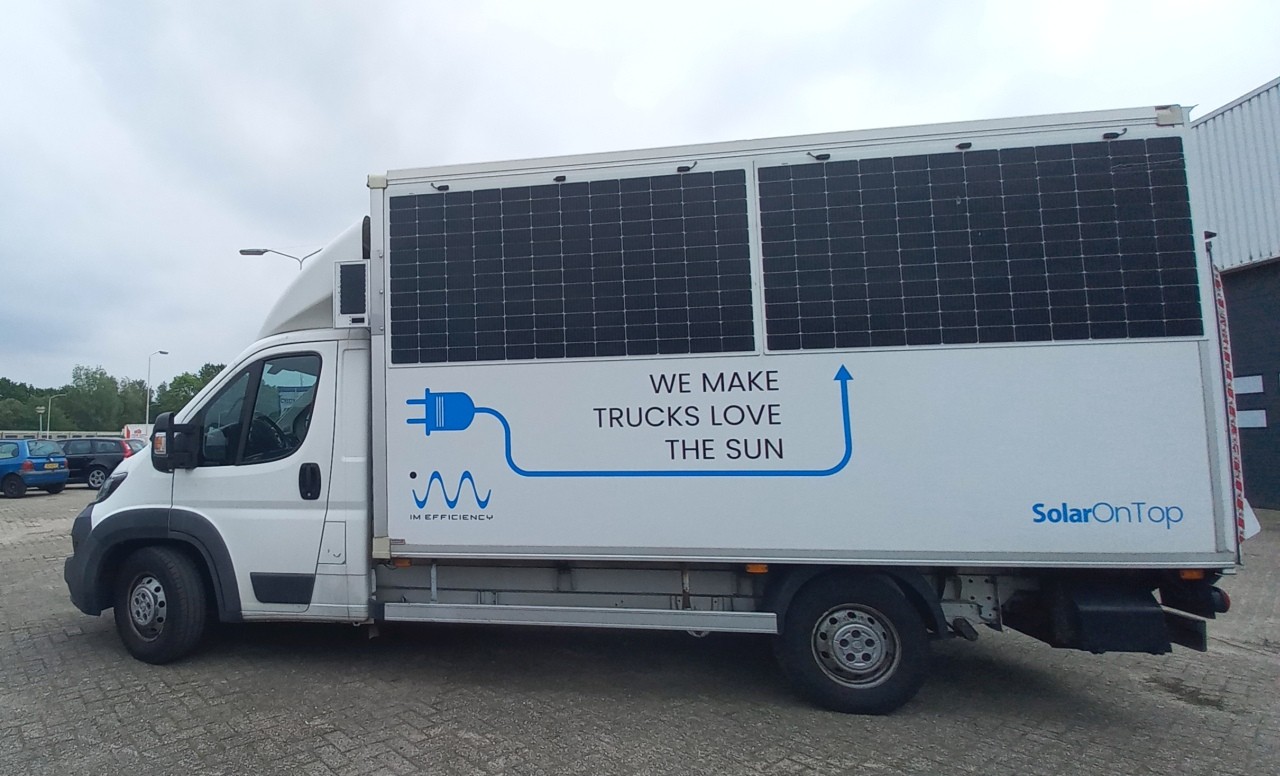
Fraunhofer ISE Explores Vehicle-Integrated Perovskite-Silicon Tandem Solar Cells for Grid Support
Fraunhofer ISE is researching the integration of perovskite-silicon tandem solar cells onto vehicles, using a "hybrid route" combining vacuu
 cleantechnica.com·23d ago
Trina Solar secures first commercial order for perovskite-silicon tandem solar modules in New Zealand
Trina Solar has secured its first commercial order for perovskite-silicon tandem solar modules, supplying a high-end distributed PV customer
 perovskite-info.com·19d ago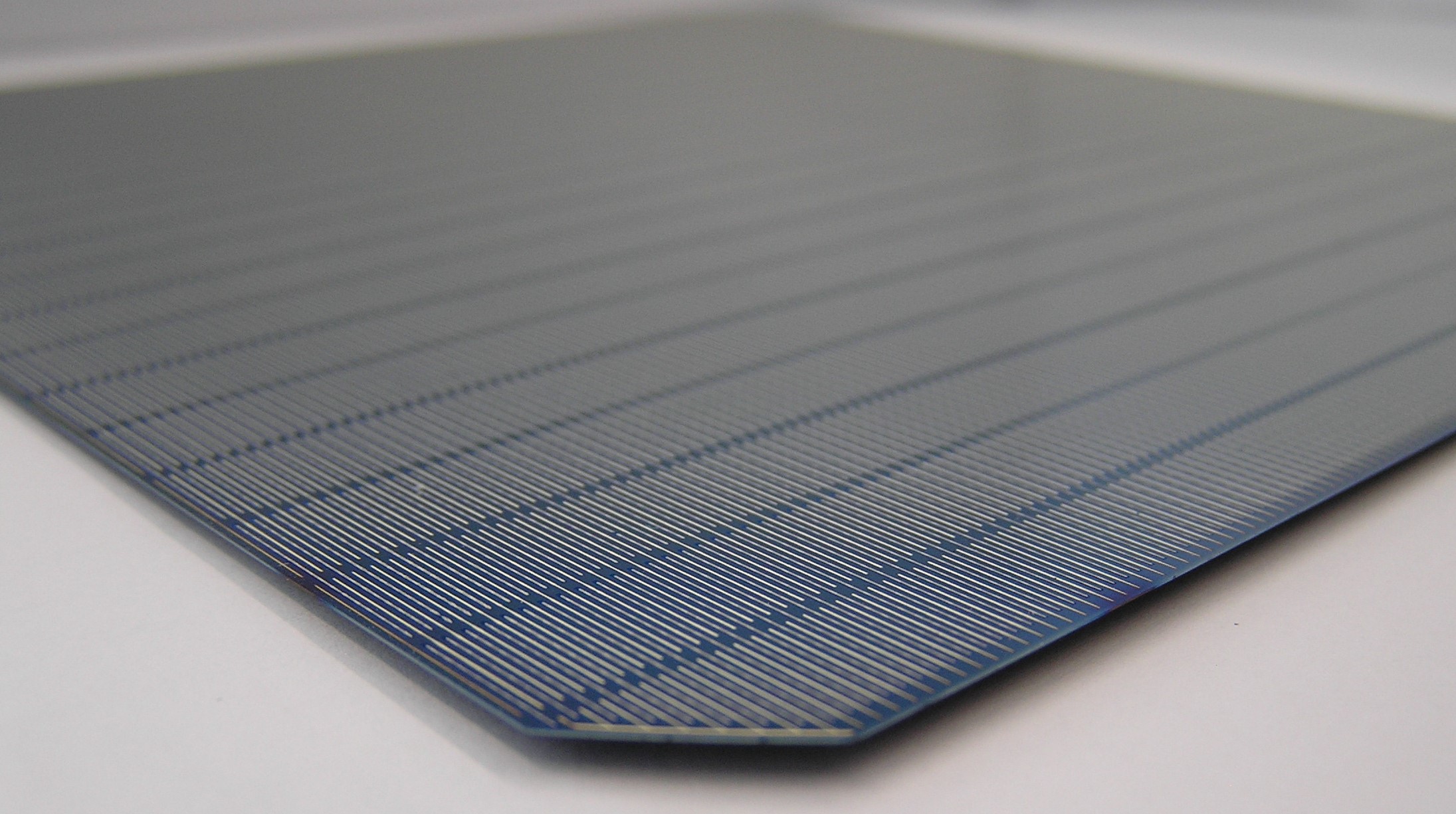
German study finds POLO back-junction solar cells more cost-effective than PERC technology in Europe
A German research team from the German Aerospace Center (DLR) conducted a techno-economic analysis of POLO back-junction (BJ) solar cells in
 pv-magazine.com·1mo ago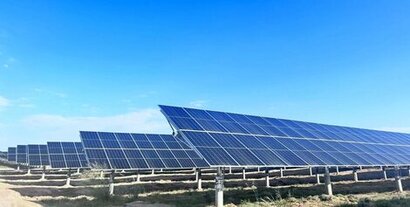
Trinasolar launches 620W Vertex N Shield solar module in North America
Trinasolar has launched its new 620W Vertex N Shield photovoltaic module in North America. The module is built on 210mm n-type TOPCon techno
 renewableenergymagazine.com·26d ago
Sungrow enters PV module market with AI-enabled smart module Pulson, receives first TÜV SÜD certification
Chinese PV inverter and BESS manufacturer Sungrow has entered the PV module manufacturing market with a new "smart module" product called Pu
 pv-tech.org·1mo ago
Comments
Sign in to join the conversation.
No comments yet. Be the first.