
























Fraunhofer ISE Explores Vehicle-Integrated Perovskite-Silicon Tandem Solar Cells for Grid Support
By
Zachary Shahan
Summary
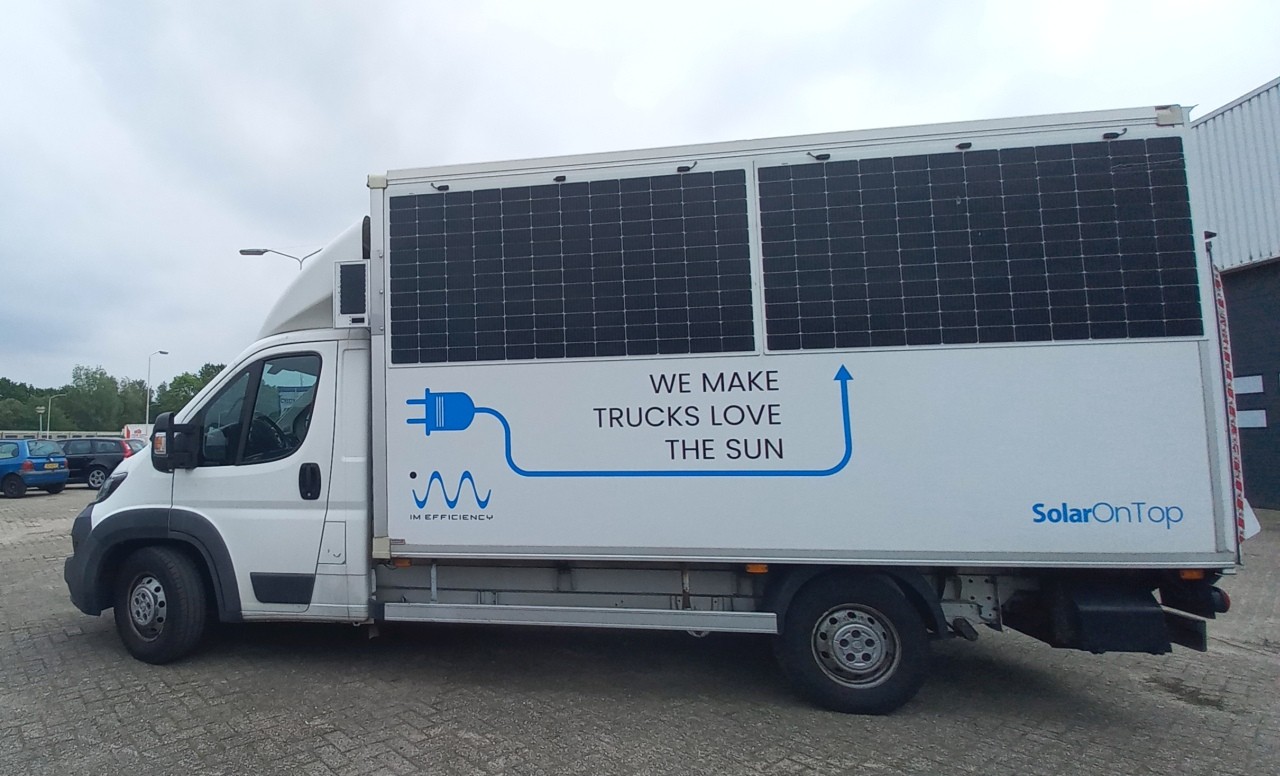
Fraunhofer ISE is researching the integration of perovskite-silicon tandem solar cells onto vehicles, using a "hybrid route" combining vacuum and wet chemical processes. The article discusses the long history of solar-powered car concepts, acknowledges the challenges of putting solar panels on vehicles (safety and efficiency concerns), but presents Fraunhofer's argument that vehicle-integrated photovoltaics could contribute to the grid by generating electricity when cars are parked in sunlight. The piece is skeptical yet informative about the feasibility and grid benefits of solar vehicles.
Source
 bskyFraunhofer ISE Explores Vehicle-Integrated Perovskite-Silicon Tandem Solar Cells for Grid Supportcleantechnica.com
Key quotes
· 3 pulledFor the manufacturing process of perovskite-silicon tandem solar cells, Fraunhofer ISE focuses on the so-called 'hybrid route,' a combination of vacuum and wet chemical processes.
The idea of putting solar panels on vehicles has been around for decades.
It's just not the safest and most efficient place to deploy solar panels.
You might also wanna read

Analyzing the Impact of Adding Photovoltaic Solar System to Internal Combustion Engine Vehicles for Fuel Economy Standards
The article discusses the impacts of integrating a photovoltaic solar system into internal combustion engine vehicles to meet the 2025 Fuel
jstor.org·11mo agoCould railway tracks become Europe's next solar power stations?
Electrodeposited self-assembled molecules for perovskite photovoltaics


Eindhoven University Students Develop Modular Electric Car Designed for Easy Self-Repair
A team of students from Eindhoven University of Technology has developed a prototype modular electric car called ARIA that features a built-
 Dezeen·6mo ago
New Perovskite Betavoltaic Cell Promises Decades of Power Without Recharging
A research group at DGIST developed a perovskite betavoltaic cell using carbon-14 and perovskite materials, offering long-lasting power for
neowin.net·11mo ago
Space-Based AI Infrastructure: Leveraging Solar Energy for Computational Power
The article explores the concept of building AI infrastructure in space to leverage the Sun's abundant energy. It discusses how solar panels
 research.google·8mo ago
Comments
Sign in to join the conversation.
No comments yet. Be the first.